How Is Wind Energy Converted To Electricity

Ever noticed how windmills seem to be popping up everywhere, almost like giant, futuristic sunflowers reaching for the sky? Wind energy, once a niche concept, is now a mainstream source of power, capturing the imagination of engineers, environmentalists, and even…artists? Yes, you read that right! Understanding how wind transforms into electricity isn't just for scientists anymore; it's a fascinating and surprisingly accessible topic for anyone who enjoys creating, tinkering, or simply learning new things.
For artists and hobbyists, the allure of wind energy lies in its potential for inspiration and practical application. Imagine crafting a kinetic sculpture powered by a miniature wind turbine, bringing a touch of eco-consciousness to your art. Or perhaps designing a self-sufficient charging station for your outdoor photography equipment. Understanding the basics allows you to build your own small-scale systems for powering projects, adding a unique and sustainable element to your creations. Casual learners can enjoy the sheer satisfaction of understanding a complex process broken down into simple steps, unlocking a new appreciation for the power of nature.
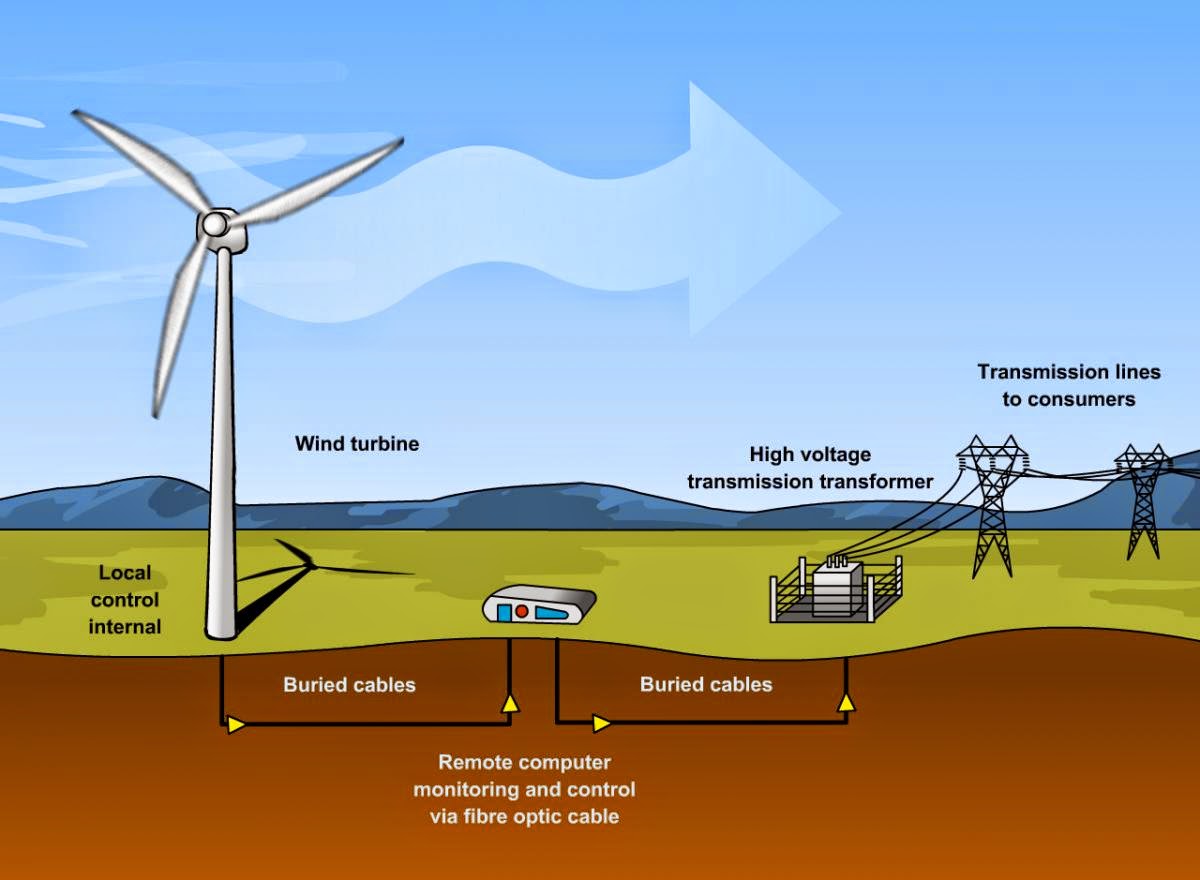
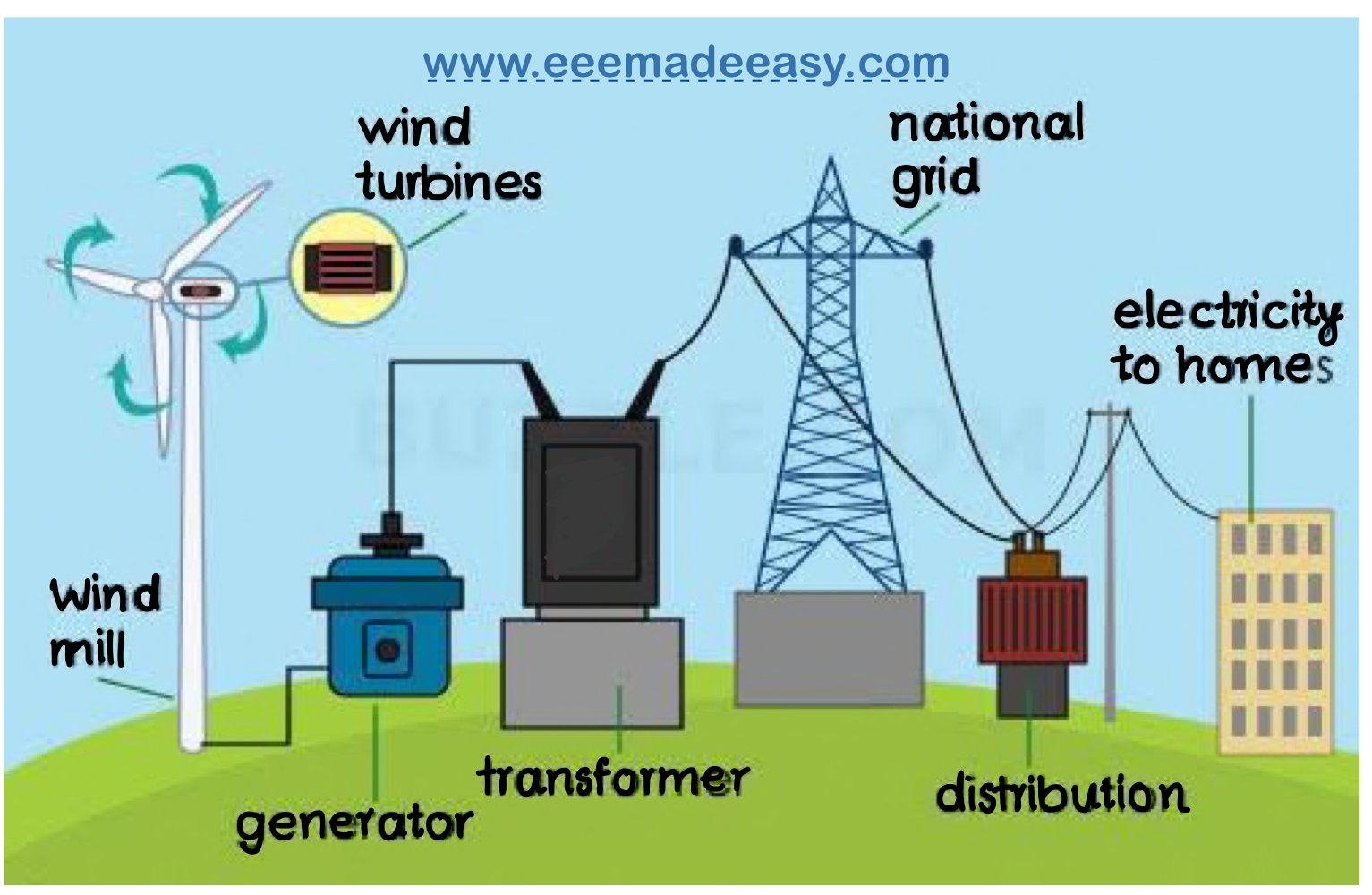
So, how does this magical transformation actually happen? It's simpler than you might think! Essentially, a wind turbine uses aerodynamic principles to convert the kinetic energy of the wind into mechanical energy. The wind blows against the turbine's blades, causing them to rotate. These blades are connected to a central shaft, which spins a generator. Inside the generator, coils of wire move within a magnetic field, creating an electric current. This electricity is then sent through cables to a substation where its voltage is increased for efficient transmission across the power grid. Think of it like a giant, high-tech bicycle dynamo, but instead of powering a headlight, it's powering homes and businesses!
Must Read
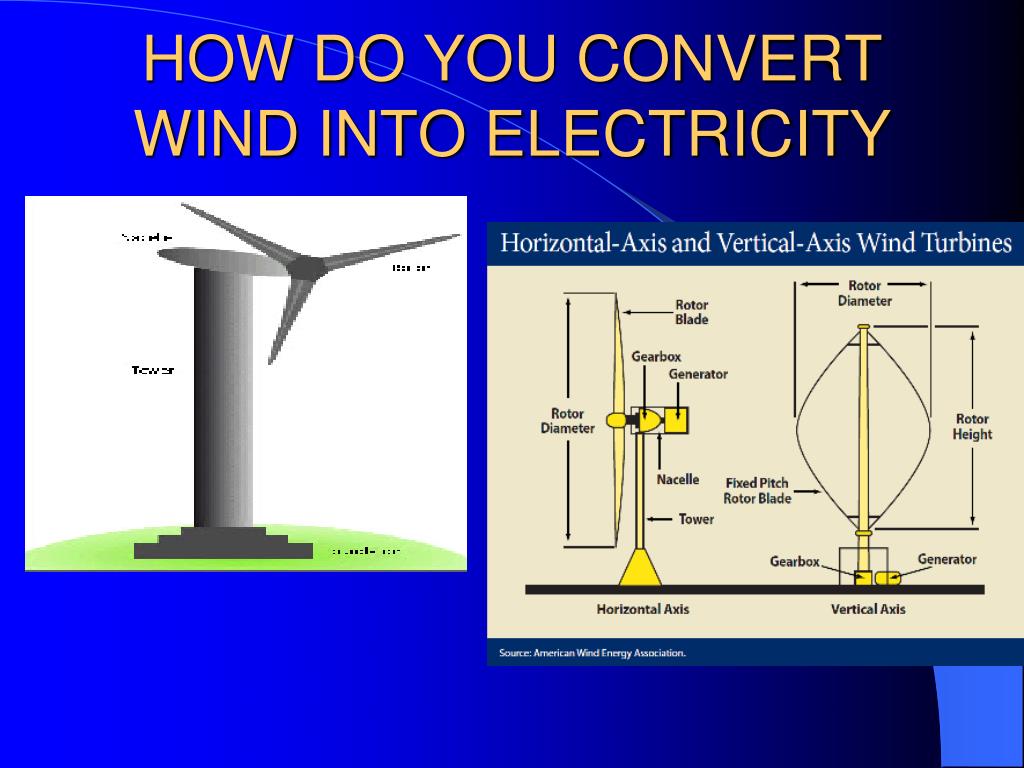
The variations in wind turbine design are vast and captivating. You have the traditional horizontal-axis turbines, the workhorses of wind farms, with their three long blades. Then there are the less common, but equally fascinating, vertical-axis turbines, which look like eggbeaters and can capture wind from any direction. Even the blades themselves come in different shapes and sizes, each optimized for specific wind conditions. The subjects of artistic renderings range from stark, modern wind farms against dramatic landscapes to intricate, steampunk-inspired miniature turbines.

Want to try exploring wind energy at home? Start small! You can build a simple anemometer (a device that measures wind speed) using paper cups, straws, and a pin. There are also numerous kits available online that allow you to construct a small, functional wind turbine. Experiment with different blade designs to see how they affect the turbine's performance. Remember to prioritize safety – keep your projects away from power lines and be mindful of weather conditions. And don't forget to document your experiments; learning from failures is just as important as celebrating successes!
Ultimately, learning about wind energy is enjoyable because it connects us to something larger than ourselves. It's about harnessing the power of nature, contributing to a more sustainable future, and unleashing your creativity in innovative ways. It's about understanding the science behind a cleaner energy source and appreciating the beauty and ingenuity of human engineering. So, go ahead, let your curiosity be your guide, and discover the captivating world of wind energy!