How Is Tidal Energy Good For The Environment
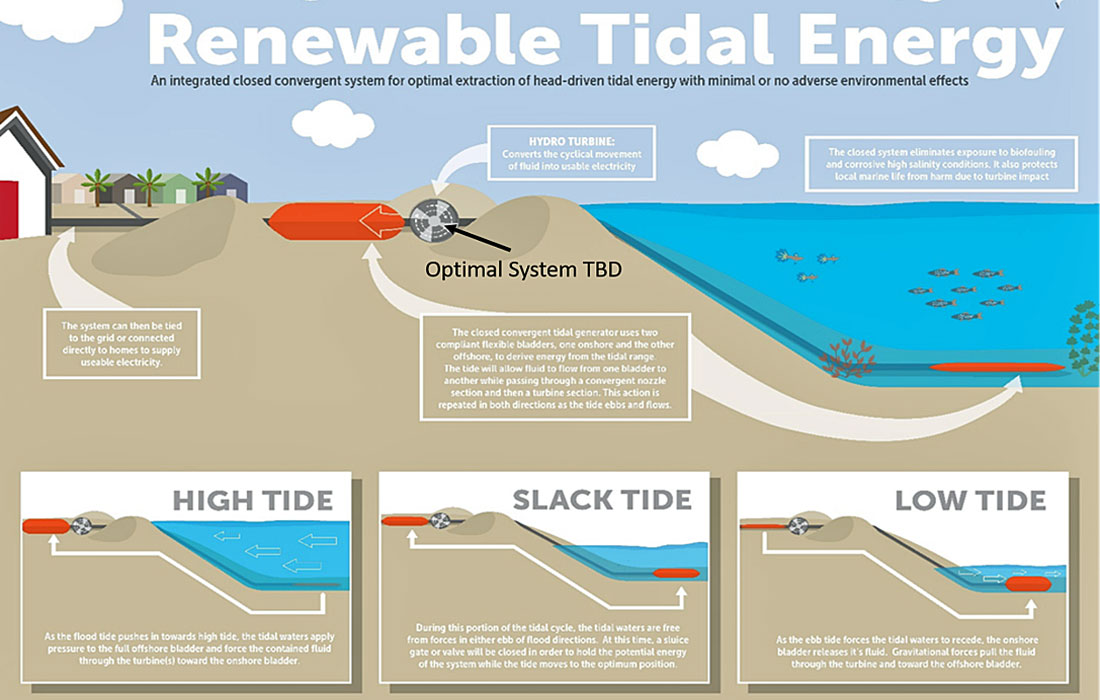
Let's talk about something really cool: harnessing the power of the ocean! Specifically, we're diving into tidal energy and why it's actually a pretty awesome thing for our planet. Think about it – the tides rise and fall like clockwork, a constant, predictable source of energy. It's like nature's own battery, just waiting to be tapped. This isn't just some futuristic fantasy; it's a real, viable way to generate electricity, and understanding its benefits is something everyone can appreciate.
So, why is tidal energy good for the environment? Well, for beginners, the key takeaway is that it's a renewable energy source. Unlike burning fossil fuels, tidal energy doesn't release harmful greenhouse gases into the atmosphere that contribute to climate change. It's a clean energy alternative that helps reduce our reliance on polluting sources. No smoke, no smog, just clean, green power!
For families, imagine explaining to your kids that we can use the ocean's natural movement to power our homes. It's a fantastic way to teach them about sustainability and the importance of protecting our environment. Plus, some tidal energy projects can also create new habitats for marine life, acting as artificial reefs. It’s a win-win situation – cleaner energy and a thriving ocean!
Must Read
Now, for the hobbyists and DIY enthusiasts out there, the concept of harnessing tidal energy is particularly exciting. While building a large-scale tidal power plant is obviously beyond the scope of a weekend project, understanding the underlying principles opens doors to smaller-scale explorations. Think about building small water wheels in streams or designing miniature tidal turbines as educational projects. These activities can spark curiosity and a deeper understanding of renewable energy technologies.
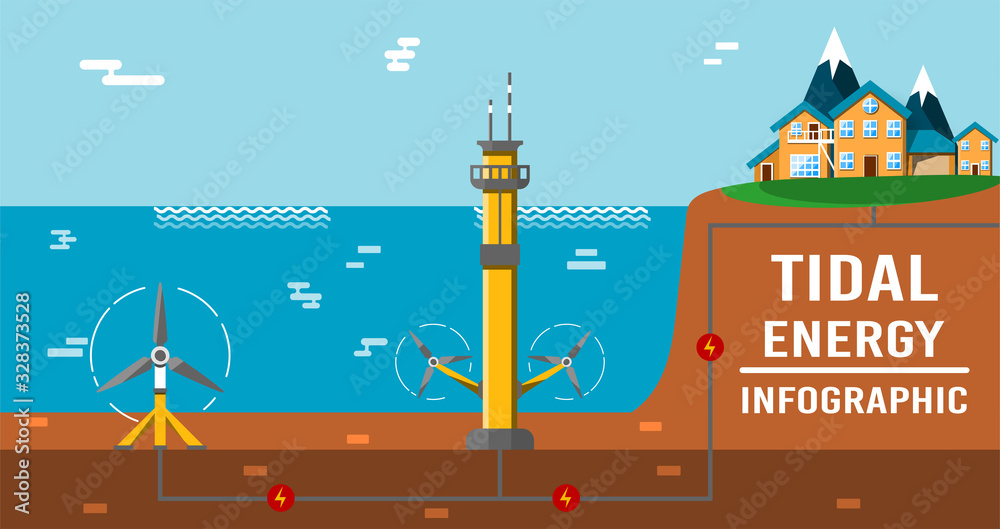
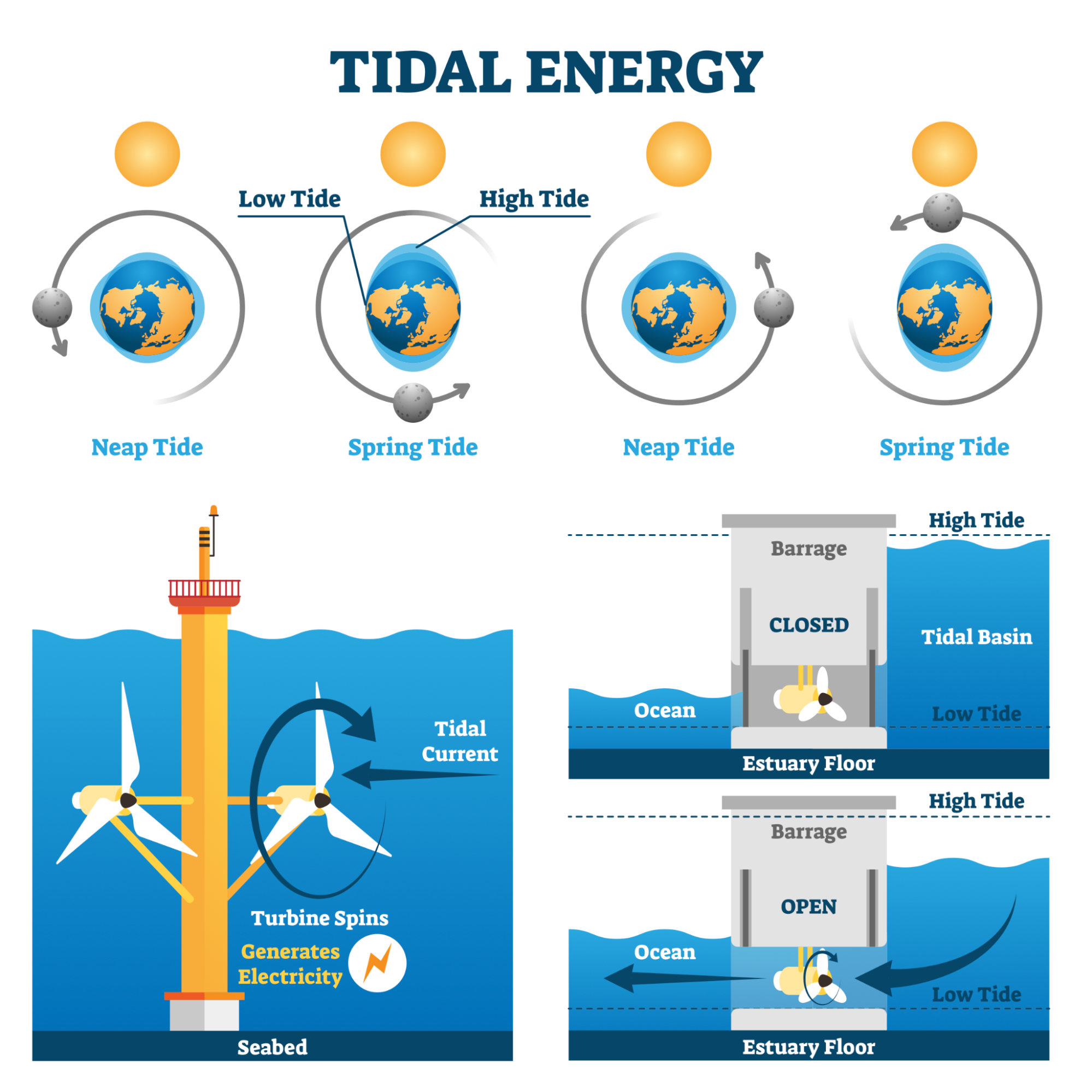
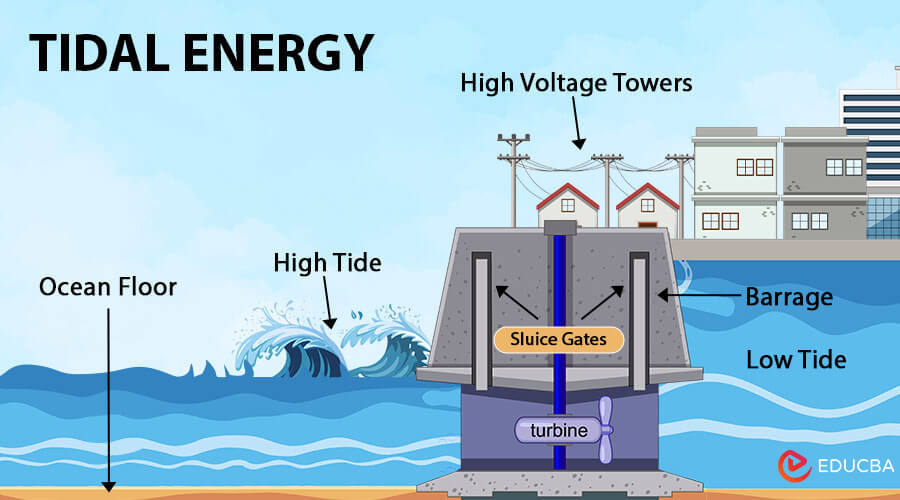
There are different ways to capture tidal energy. One common method involves building a tidal barrage, which is essentially a dam across an estuary. As the tide flows in and out, the water passes through turbines in the barrage, generating electricity. Another method uses tidal stream generators, which are like underwater wind turbines that are anchored to the seabed. These turbines are spun by the strong currents of the tide. A third option is tidal lagoons, which are artificial enclosures that capture the rising tide and then release it through turbines.
Getting started with understanding tidal energy is easier than you might think. Here are some simple steps:
- Do some research: Look up articles, videos, and documentaries about tidal energy.
- Visit a science museum: Many museums have exhibits on renewable energy sources, including tidal power.
- Discuss it with others: Talk to your friends, family, and teachers about tidal energy and its potential.
In conclusion, tidal energy offers a promising solution for generating clean, sustainable electricity. From reducing greenhouse gas emissions to creating new marine habitats, the benefits are clear. While large-scale implementation requires significant investment and careful planning, understanding the principles and exploring smaller-scale applications can be both educational and empowering. So, let's embrace the power of the tides and work towards a cleaner, more sustainable future for all!