
How Is This Energy Source Converted Into Electricity

Ever flipped a light switch and wondered, "How does that actually work?" We’re talking about electricity, people! It's like magic, but with more science (and fewer rabbits). Let's dive into the wacky world of turning different energy sources into the juice that powers our lives.
Fossil Fuels: The OG Power Source (Kinda)
Think dinosaurs… sort of. Fossil fuels like coal, oil, and natural gas are basically ancient plant and animal matter. They've been chilling underground for millions of years. Don't tell anyone, but I still think burning stuff to make power is a little… medieval.
Here's the gist: We burn these fuels. This creates heat. The heat boils water, making steam. And steam spins a turbine, which is connected to a generator. The generator makes electricity. Voila!
Must Read
The Turbine Tango
Imagine a giant pinwheel. That’s a turbine! The steam blasts against the turbine blades, making it spin super fast. It’s like nature’s ultimate fidget spinner.
The spinning turbine is the key. It’s connected to a generator, which we'll talk about next. I secretly think turbines are just showing off. All that spinning!
Generator: The Real MVP
Inside the generator, there are magnets and coils of wire. As the turbine spins the generator, the magnets move past the coils of wire. This creates an electric current. Science!
This current is then sent through power lines to your home. Ta-da! You can binge-watch cat videos in the dark. Just don't tell me you're still using incandescent light bulbs. Seriously.

Nuclear Power: Splitting Atoms (Not Hairs)
Nuclear power is a bit… intense. It involves splitting atoms, which sounds like something out of a sci-fi movie. But it's how we get a lot of power without burning fossil fuels. Don't worry, it's (mostly) safe.
Specifically, we split uranium atoms in a process called nuclear fission. This releases a TON of heat. This heat, again, boils water to create steam. Sound familiar? It should!
The steam then spins a turbine. The turbine spins a generator. The generator makes electricity. It's the same dance, just with a nuclear beat. I still think the term "nuclear" makes everything sound way more dramatic than it needs to be.
Renewable Energy: Nature's Way of Powering Up
Okay, now we're talking! Renewable energy sources like solar, wind, and hydro are the cool kids on the block. They're sustainable and don't contribute to climate change (as much). Finally, we're learning our lesson from the dinosaurs!
Solar Power: Harnessing the Sun's Rays
Solar panels are like tiny little energy collectors. They're made of special materials that convert sunlight directly into electricity. It's called the photovoltaic effect. Fancy!

When sunlight hits the solar panel, it knocks electrons loose. These electrons flow through a circuit, creating an electric current. It's like a tiny electric river flowing from the sun to your toaster. Now that's some truly free energy.
My unpopular opinion: Everyone should have solar panels. Seriously. Just do it.
Wind Power: Capturing the Breeze
Wind turbines are basically giant windmills. But instead of grinding grain, they generate electricity. They're also oddly mesmerizing to watch spin. It's like watching a really, really slow ceiling fan.
The wind turns the blades of the turbine. The turbine spins a generator. You know the drill by now! The generator converts the mechanical energy of the spinning blades into electricity. And then, boom, you can power your blender with the wind!
Hydropower: Riding the Water Current
Hydropower uses the power of moving water to generate electricity. Think dams and waterfalls. It's a tried-and-true method that's been around for ages.
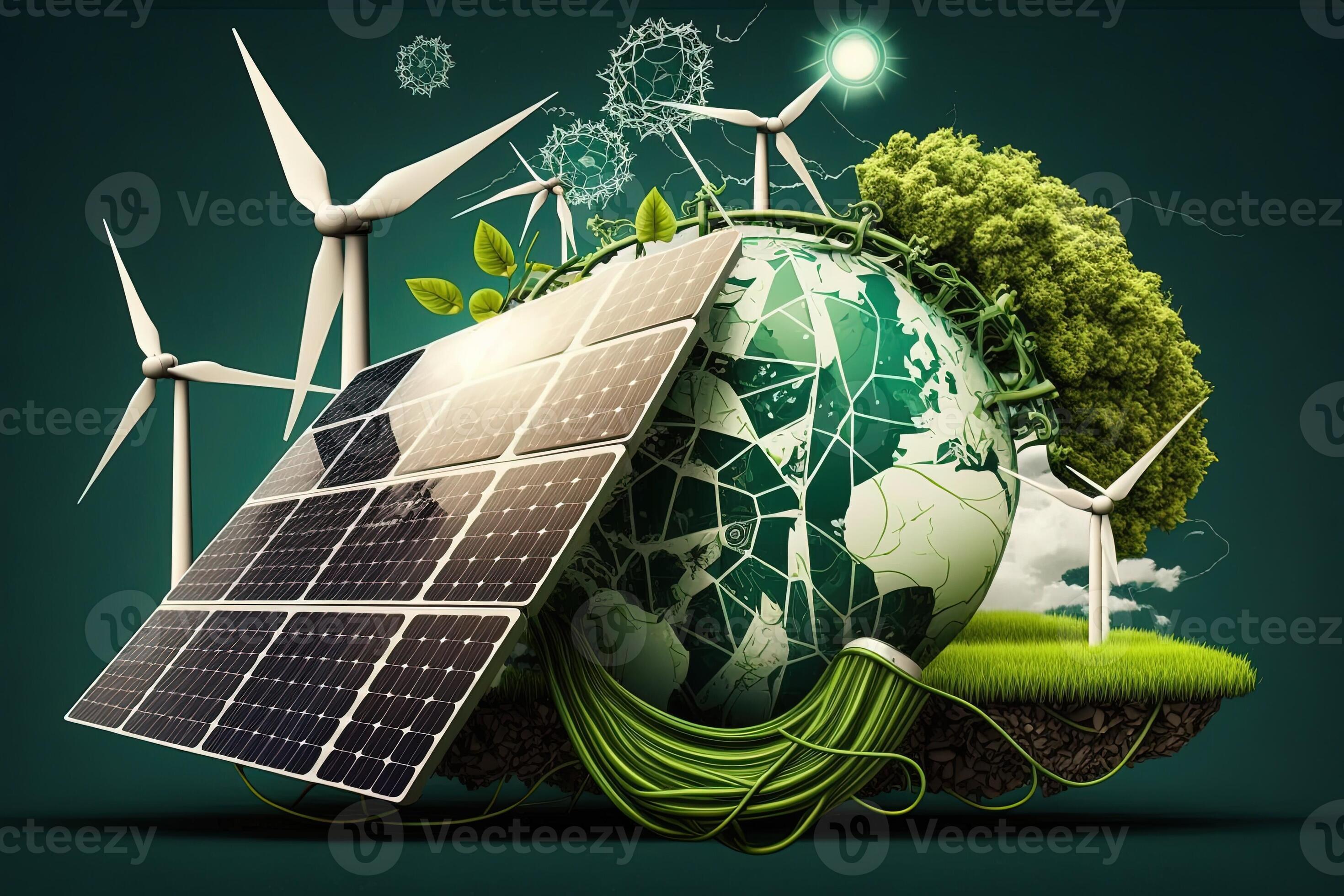
Water flows through the dam, turning a turbine. The turbine spins a generator. Electricity is produced. It's a simple, effective, and surprisingly elegant way to harness nature's power. It's like the OG renewable energy source. I respect it.
Geothermal Energy: Tapping into Earth's Heat
Geothermal energy is like tapping into the Earth's internal furnace. Underground heat from the Earth's core is used to heat water. This water then creates steam, which spins a turbine.
Yes, you guessed it. The turbine spins a generator. The generator makes electricity. This process often taps into naturally occurring reservoirs of steam or hot water deep underground. If you are looking to find an energy source that is constant and green, look no further.
Sometimes, geothermal energy can be used directly for heating and cooling buildings. It’s like having a giant, natural radiator under your house. Okay, that sounds slightly terrifying.
Tidal Energy: Surfing the Waves for Power
Tidal energy harnesses the power of the tides. As the tide comes in and out, it moves water, which can be used to turn turbines. It's like surfing for electricity!
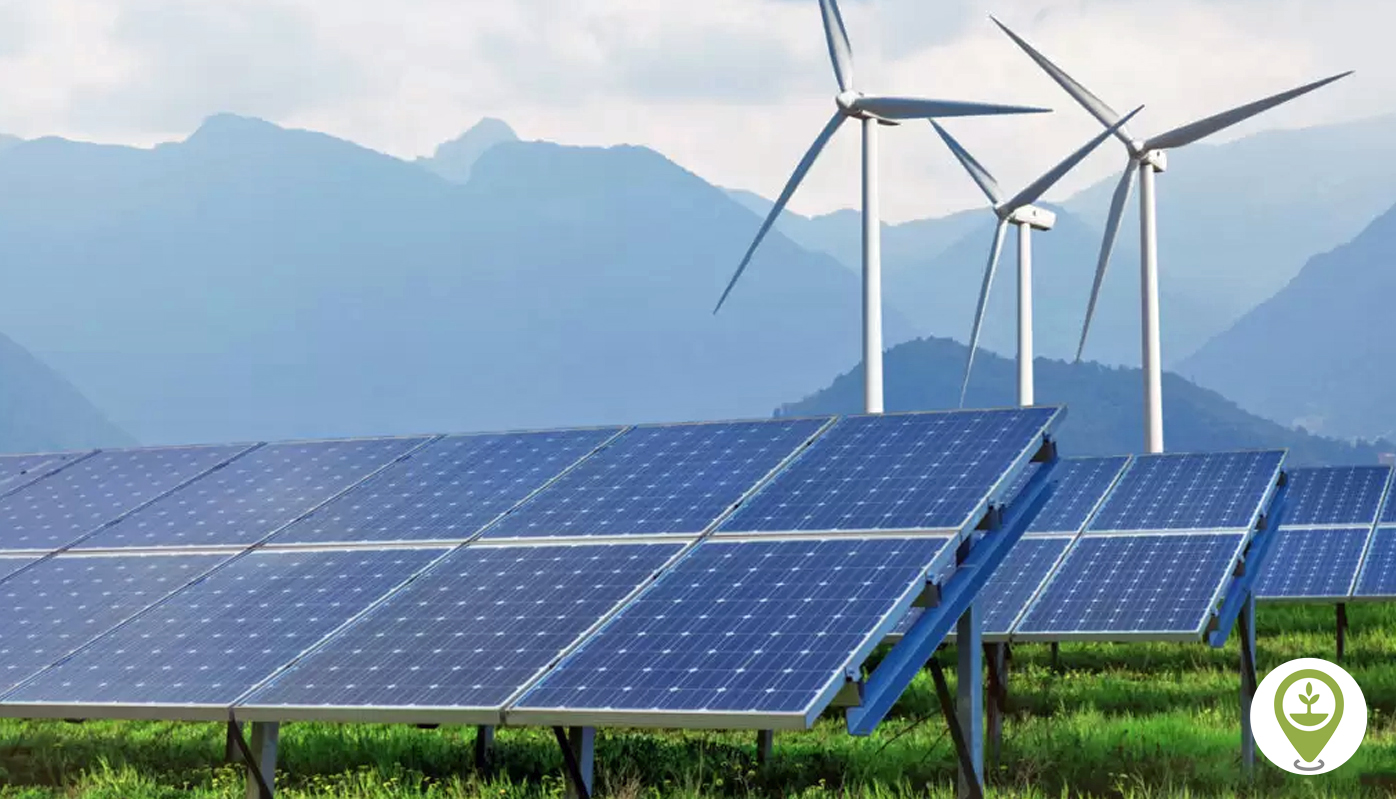
The turbines are placed underwater in areas with strong tidal currents. As the tide flows in and out, it spins the turbines. And of course, the turbines spin a generator. Electricity is generated.
My unpopular opinion: We should have more tidal power plants. It's like free energy that literally washes up on our shores. Plus, it sounds really cool.
In Conclusion: It's All About the Spin!
So, there you have it. From burning ancient dinosaurs to harnessing the power of the sun, there are many ways to make electricity. It all comes down to spinning a turbine that is connected to a generator.
Whether it's steam, wind, or water, the basic principle is the same. It's all about converting one form of energy into another. Isn't science amazing?
Now, go forth and flip some light switches! Just remember, behind every kilowatt-hour, there's a turbine doing its thing. And probably some poor intern stuck cleaning it.