How Is Solar Energy Used To Generate Electricity
Ever looked up at the sun and thought, "Wow, that's a lot of energy!"? Well, you're absolutely right! And the cool thing is, we're getting better and better at harnessing that power to make electricity. Understanding how solar energy works is not just for scientists anymore. It's for everyone who wants to know where their power comes from, save money, or just be a little more eco-conscious. Plus, it's surprisingly simple once you break it down!
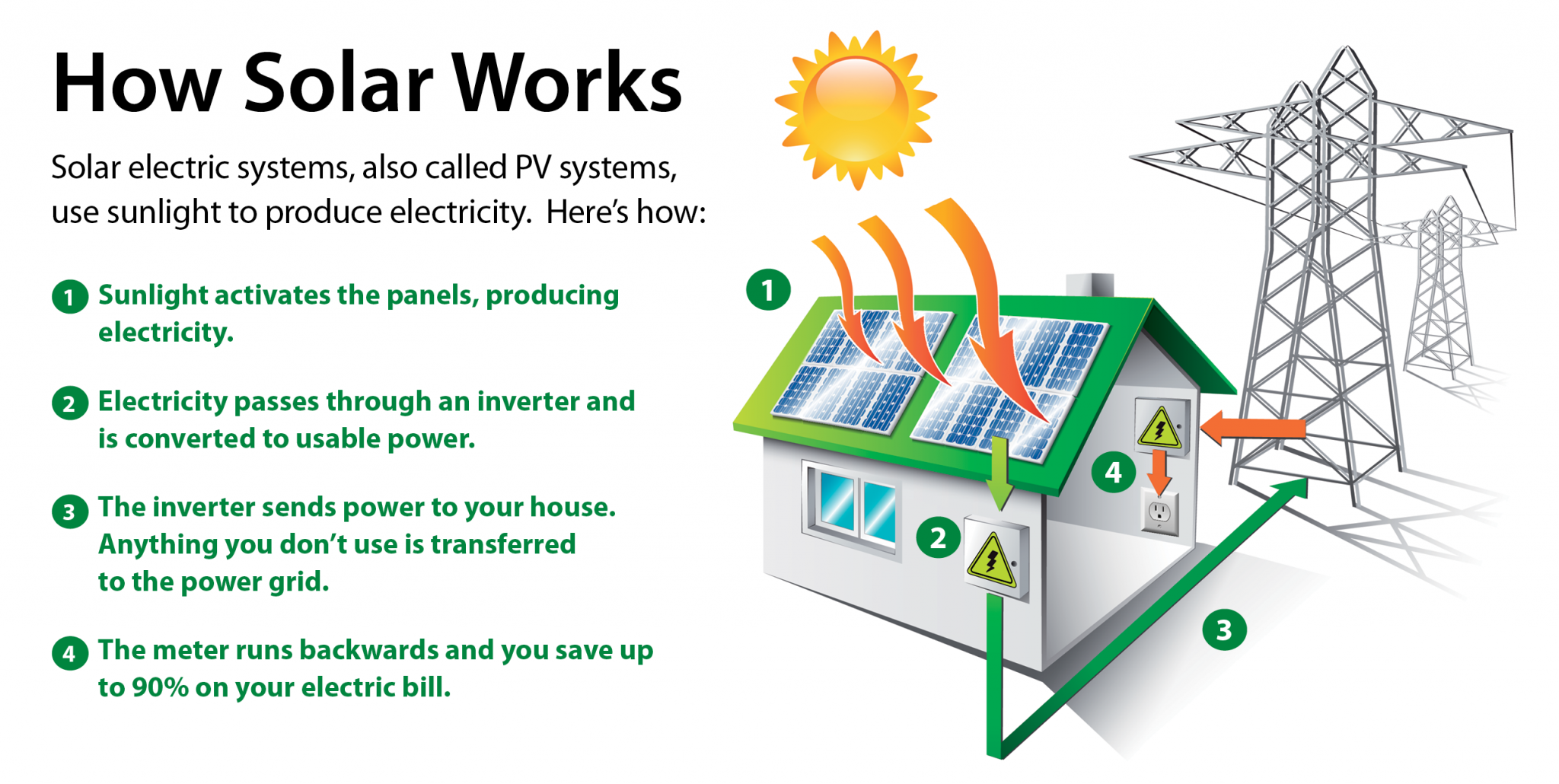
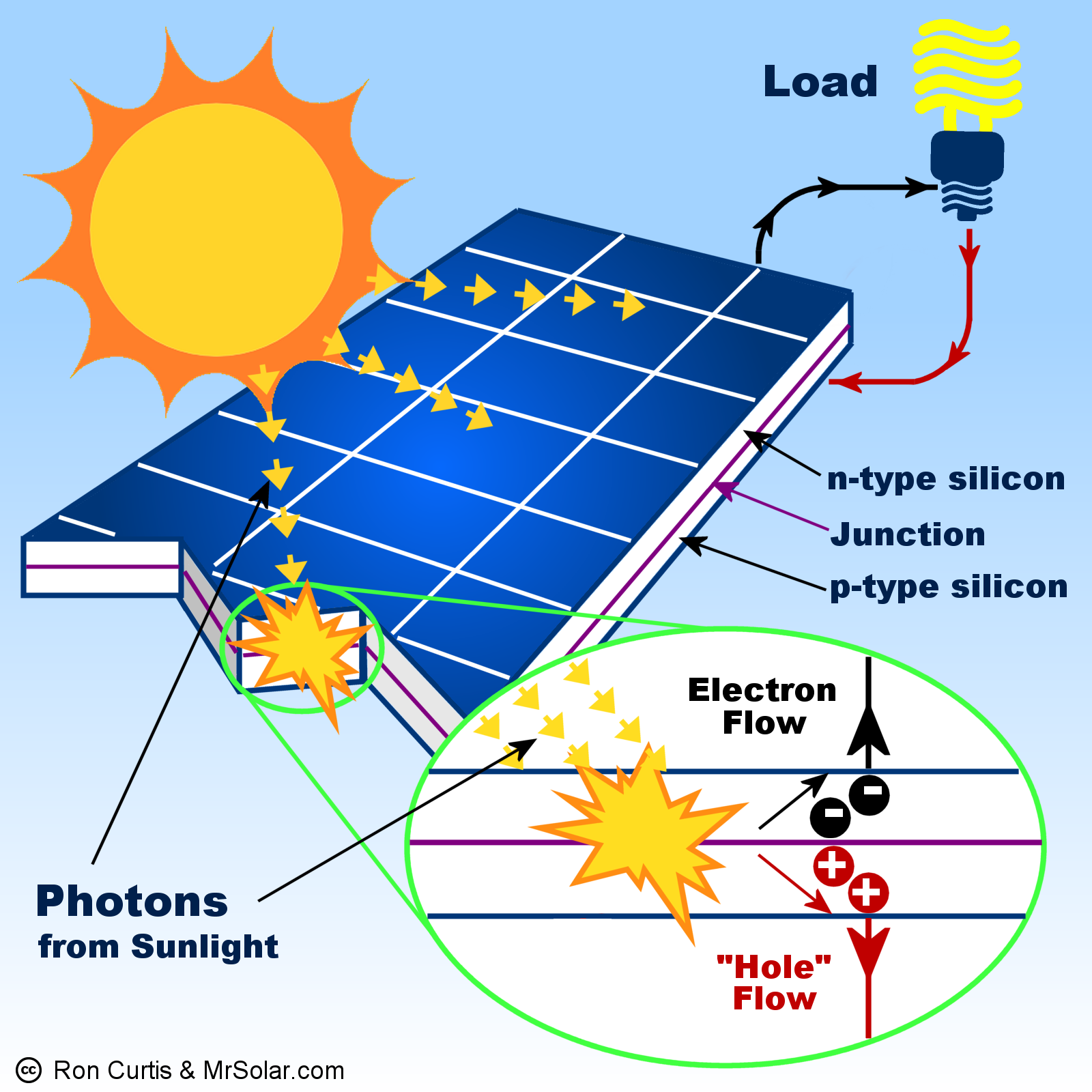
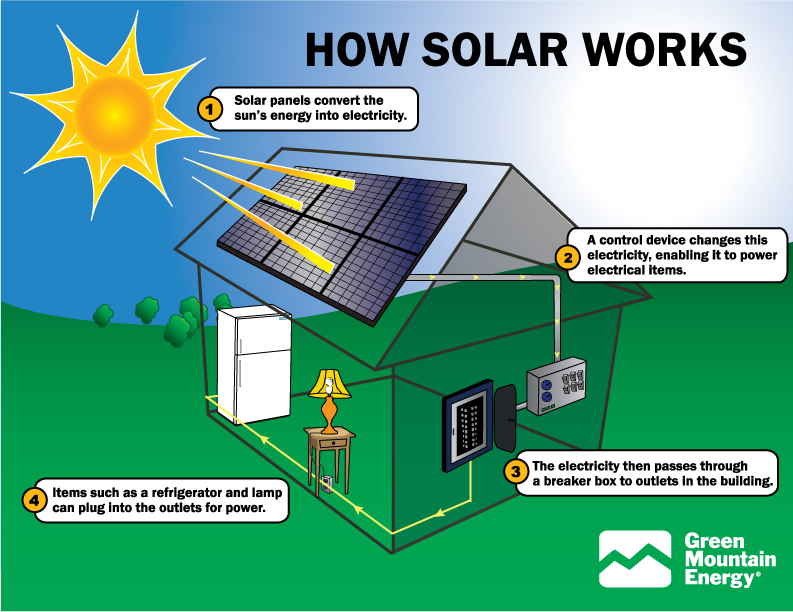
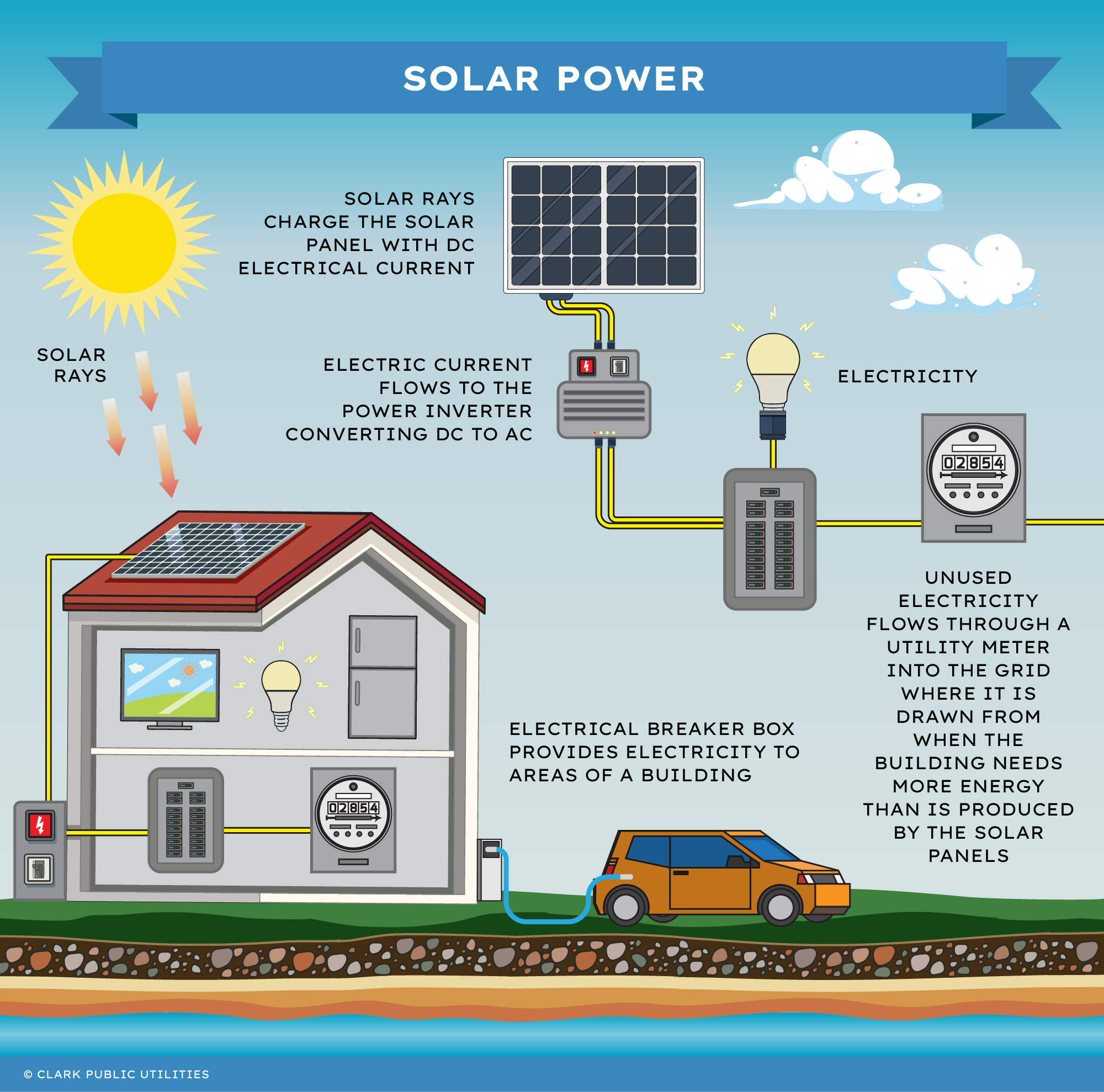
So, how exactly does the sun's light turn into the electricity that powers your phone, fridge, or even your whole house? It all boils down to something called the photovoltaic effect. Don't let the fancy name scare you! Think of it like this: special materials, usually silicon (the same stuff in computer chips!), are arranged in solar panels. When sunlight hits these materials, it knocks electrons loose. These electrons then flow through an electrical circuit, creating an electrical current – just like the current that comes from a power outlet!
Now, let's break down the purpose and benefits for different folks:
Must Read
- For Beginners: Understanding solar power means knowing you're using a renewable resource. It’s clean, meaning it doesn’t produce greenhouse gasses like burning coal or gas. It's also becoming increasingly affordable, making it a viable option for more people.
- For Families: Imagine your kids understanding where their energy comes from. Solar panels on the roof can be a fantastic educational tool, teaching about science, sustainability, and responsibility. Plus, reduced electricity bills are always a welcome bonus for family budgets!
- For Hobbyists: Building your own small solar projects can be incredibly rewarding. You can power garden lights, a small pond pump, or even a charging station for your phone. It's a hands-on way to learn about electronics and renewable energy.
There are a few different ways solar energy is used. The most common is through photovoltaic (PV) panels on rooftops, as we described earlier. But there's also concentrated solar power (CSP), which uses mirrors to focus sunlight onto a receiver, heating a fluid that then drives a turbine to generate electricity. Think of it like a giant magnifying glass cooking something, but instead of cooking, it's creating power! Another variation is solar thermal, which uses sunlight to directly heat water for use in homes or businesses. For example, solar water heaters are a common sight in many countries.
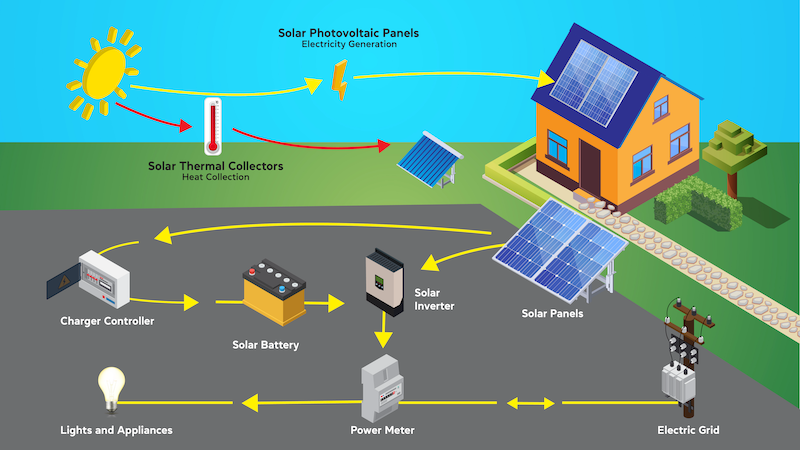
Want to get started exploring solar energy yourself? Here are some simple, practical tips:
- Start small: Buy a small solar charger for your phone or a set of solar-powered garden lights. This is a low-risk way to see how solar energy works.
- Do your research: There are tons of resources online about solar energy. Watch videos, read articles, and explore the different options available.
- Talk to experts: If you're considering installing solar panels on your home, get quotes from several different installers. Ask questions and understand the pros and cons.
Learning about solar energy is like unlocking a secret code to a cleaner, more sustainable future. It's empowering to understand where your energy comes from and to know that you can be part of the solution. So, embrace the sun, explore the possibilities, and enjoy the satisfaction of knowing you're making a positive impact!