
How Is Solar Energy Converted Into Electrical Energy
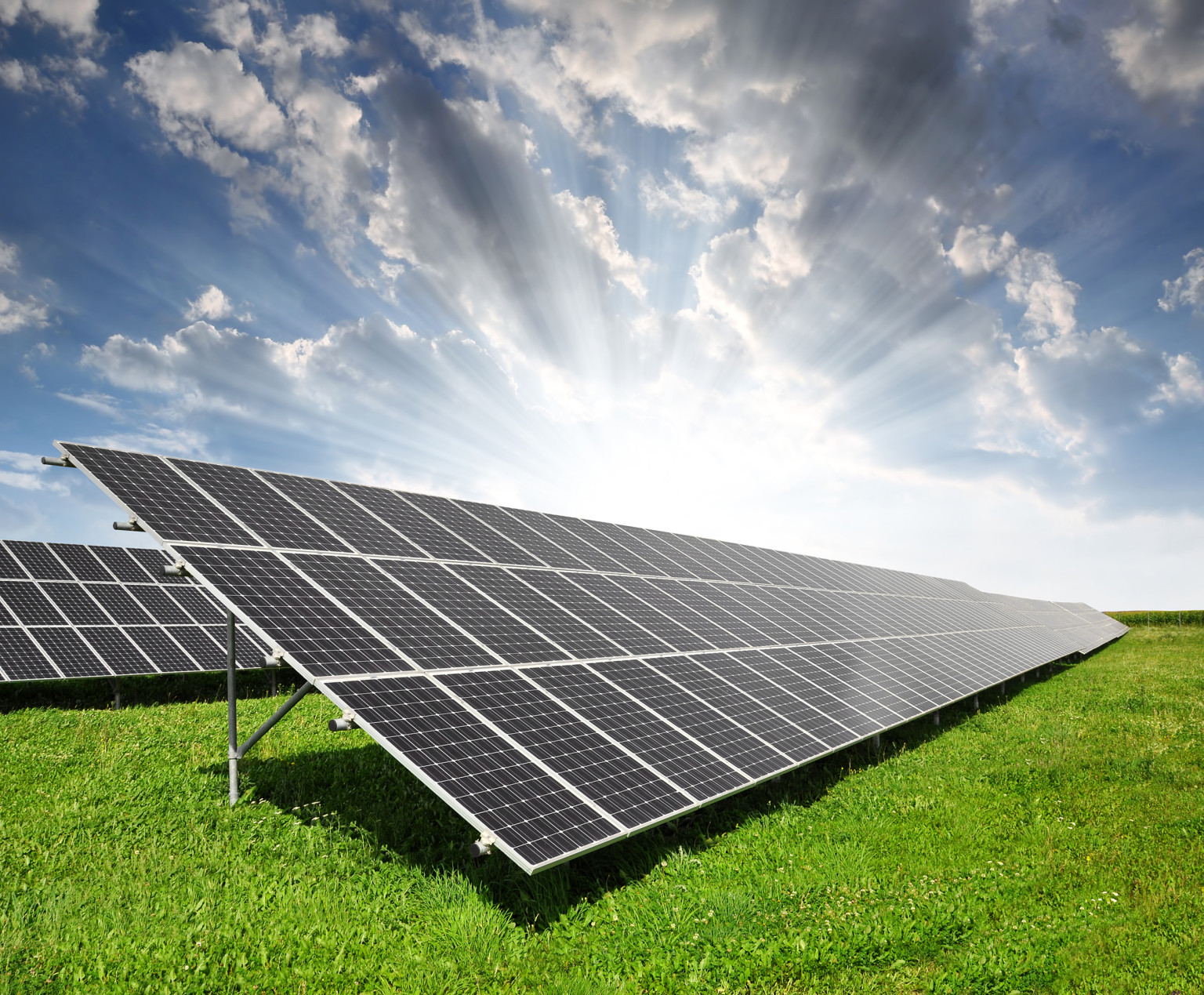
Hey there, sunshine seeker! Ever wondered how those sleek, shiny solar panels on rooftops magically transform the sun's rays into the electricity that powers your phone, your TV, and maybe even your entire home? It's not sorcery, I promise! It's science, and it's actually pretty darn cool. Stick around, and we'll break it down in a way that's easier than making toast (and arguably just as satisfying!).
The Sun: Our Giant, Nuclear-Powered Lightbulb
First, let's talk about the star of the show: the sun! It's not just a giant ball of fire; it's a massive nuclear reactor constantly churning out energy in the form of photons. Think of photons as tiny packets of light energy. They're constantly bombarding the Earth, and lucky for us, we've figured out how to harness their power! (Seriously, isn't science amazing?).
Enter the Solar Panel: The Photon Collector
Now, for the technology that does all the heavy lifting: the solar panel, also known as a photovoltaic (PV) panel. "Photo" means light, and "voltaic" refers to electricity. So, literally, it's something that creates electricity from light! Clever, right?
Must Read
These panels are typically made of silicon, the same stuff found in sand. Yep, that's right, beaches are secretly full of potential electricity! Silicon is a semiconductor, which means it's not quite a conductor (like copper) and not quite an insulator (like rubber). It's somewhere in between, which gives it some pretty special properties.
Think of silicon as a picky gatekeeper. On its own, it doesn't really let electrons (the tiny particles that carry electricity) flow through it. But when those photons from the sun hit it, things start to change.

The Magic of the Photovoltaic Effect
This is where the photovoltaic effect comes into play. When a photon strikes a silicon atom in the solar panel, it can knock an electron loose. Imagine it like a tiny game of pool where the photon is the cue ball, and the electron is the eight ball. Whack! The electron goes flying!
But these freed electrons don't just wander around aimlessly. Solar panels are cleverly designed with two layers of silicon: one layer is positively charged, and the other is negatively charged. This creates an electric field, sort of like an invisible hill that the electrons want to roll down.
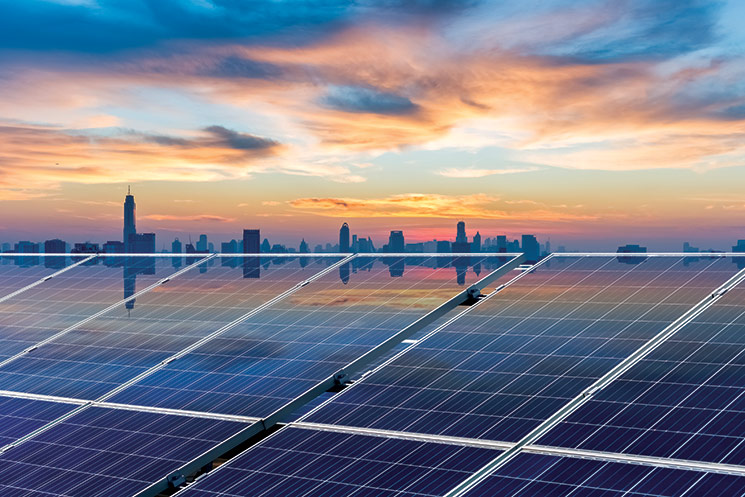
So, when an electron is knocked loose by a photon, it's immediately drawn towards the positively charged layer. This creates a flow of electrons – and what is a flow of electrons? You guessed it: electricity!
From Sunlight to Usable Power
Okay, so the solar panel is generating electricity, but it's not quite ready to power your toaster just yet. The electricity produced by a solar panel is direct current (DC), which flows in one direction. Your home appliances, however, typically use alternating current (AC), which flows back and forth.
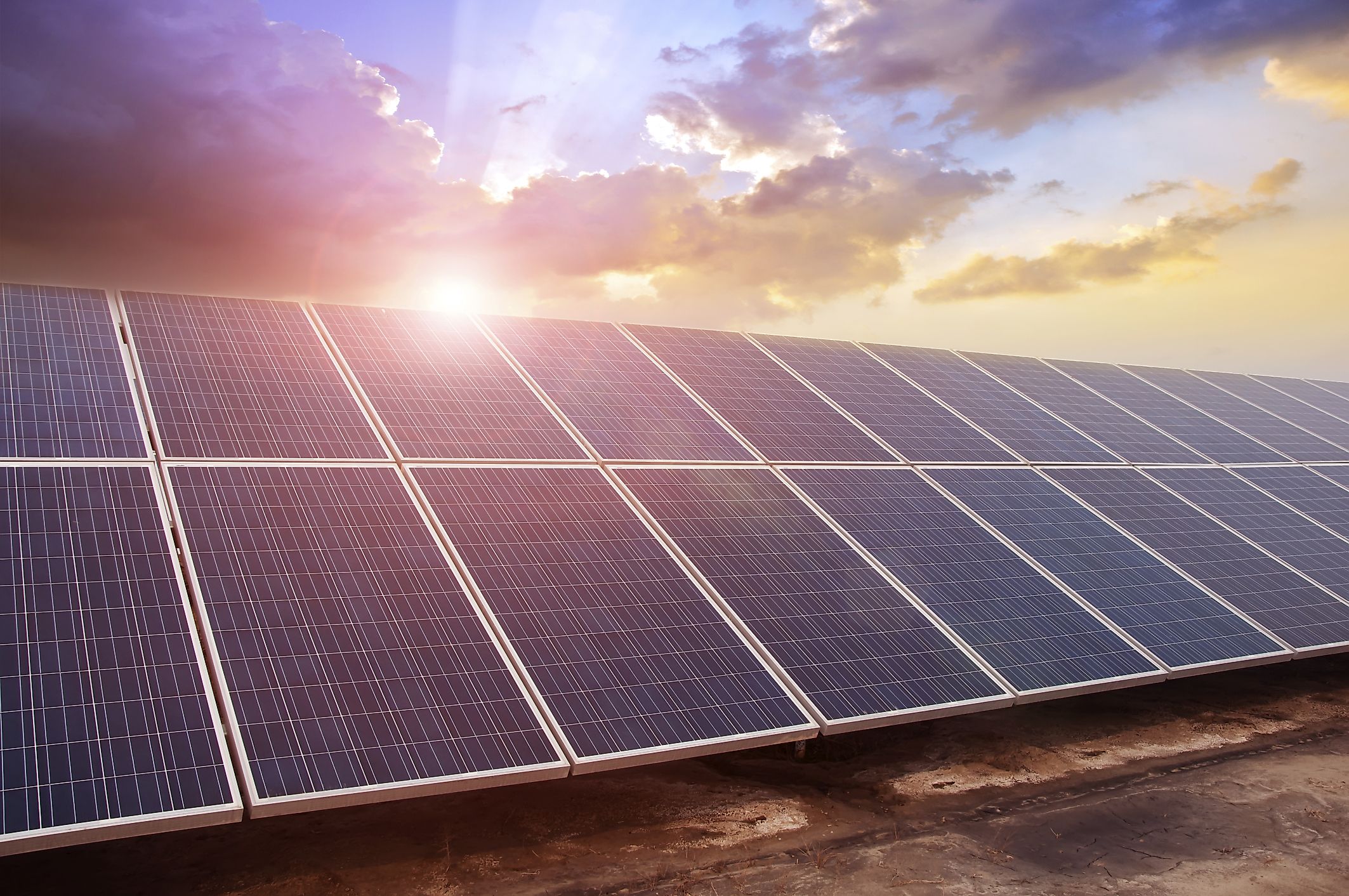
That's where the inverter comes in. This little device takes the DC electricity from the solar panels and converts it into AC electricity that your home can use. Think of it as a translator, switching from one electrical language to another. It also regulates the voltage to protect your appliances from overloads.
And there you have it! From photons hitting silicon to electricity powering your life, that's the amazing journey of solar energy conversion in a nutshell. Pretty neat, huh?
Why Should You Care? (Spoiler Alert: It's Awesome!)
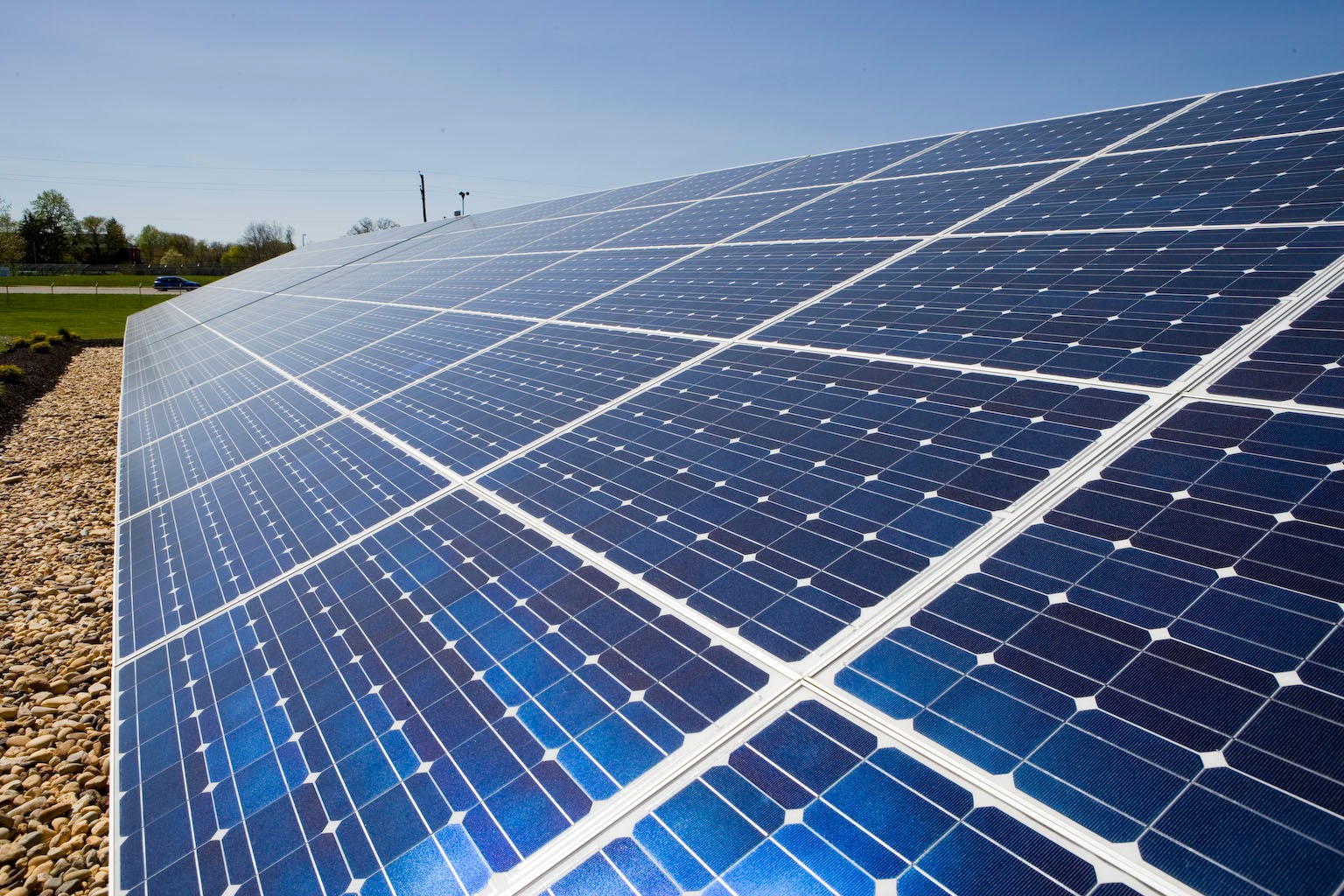
So, why should you care about all this nerdy science? Well, for starters, solar energy is a renewable resource. That means it's virtually inexhaustible! Unlike fossil fuels, which are finite and contribute to climate change, the sun will keep shining (for billions of years, at least!), providing us with a clean and sustainable source of energy.
Plus, using solar energy can save you money on your electricity bill! (Who doesn't love saving money?). And, perhaps most importantly, it helps reduce our reliance on fossil fuels and protects our planet for future generations. You can literally power your life with sunshine and feel good about it. Talk about a win-win!
In conclusion, understanding how solar energy works empowers you to make informed decisions about your energy consumption and consider ways to contribute to a more sustainable future. The future is bright – literally! This stuff isn't just for scientists and engineers; it's for everyone. You now have some insight into the basics, now go forth and explore the fascinating world of renewable energy. Who knows? Maybe you'll even invent the next big solar technology!