How Is Power Generated From Coal

Ever flicked a light switch, charged your phone, or enjoyed a perfectly chilled beverage from your fridge without a second thought? It’s a moment of effortless magic we all take for granted. But behind that flick of the switch lies a fascinating story of engineering and transformation. For generations, one of the primary architects of this unseen power has been coal. While newer energy sources grab headlines, understanding how this humble black rock was harnessed to electrify our world is a marvel of human ingenuity, and a pretty cool piece of historical science to wrap your head around!
You might be thinking, "Why should I bother learning about coal power generation?" Well, for the casual learner or anyone with an ounce of curiosity, getting to grips with this process is like peering behind the curtain of modern civilization. It offers valuable insight into the backbone of our energy infrastructure, helping you appreciate the sheer scale of the engineering involved. It’s a foundational piece of knowledge that enriches your understanding of where our electricity comes from, how complex systems work, and the history that shaped our present-day energy landscape. It’s not just about wires and turbines; it’s about human creativity in solving monumental challenges.
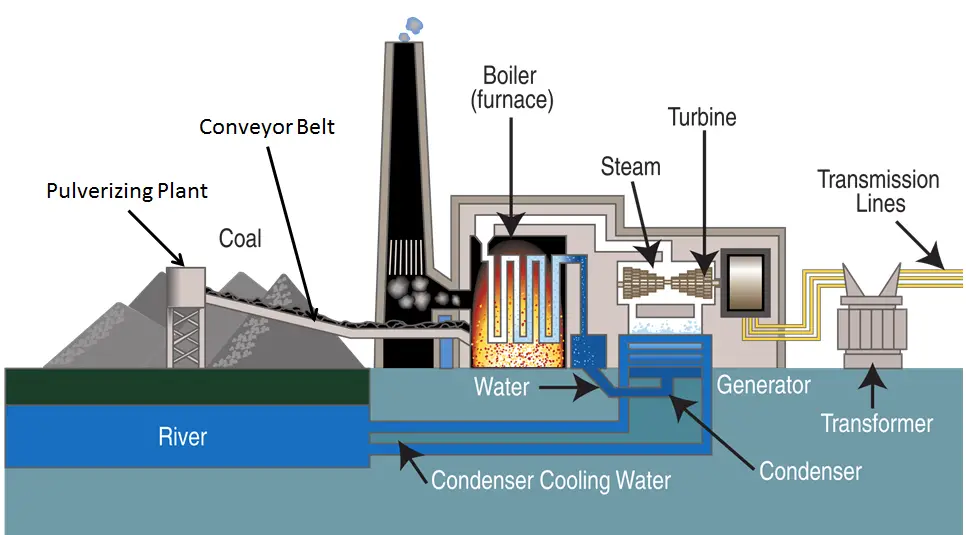
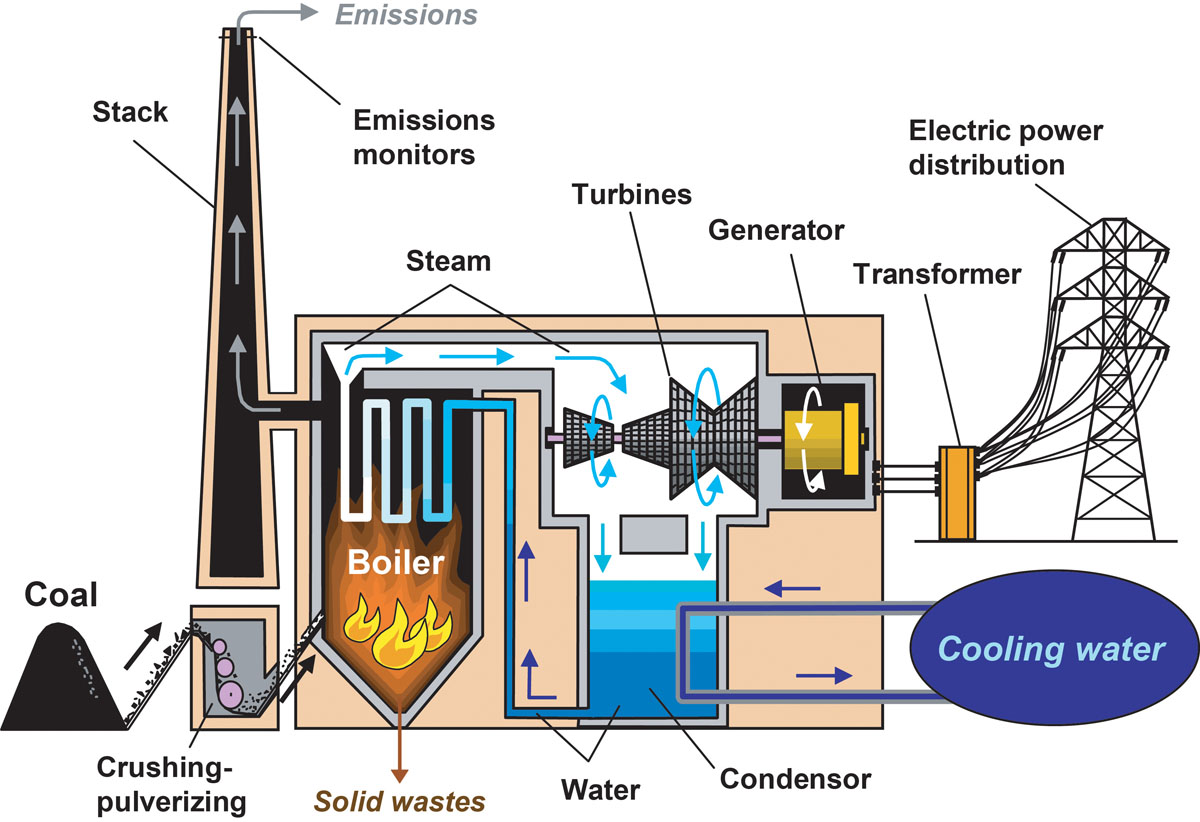
So, how does this energy alchemy actually happen? Let's break down the journey of coal from raw material to illuminating power. It’s a multi-stage dance of physics and engineering. First, coal is delivered to a power plant, often from mines thousands of miles away. Once there, it's typically ground into a fine powder—think talcum powder, but black and highly combustible! This pulverized coal is then blown into a massive furnace, where it burns fiercely, creating intense heat. This heat is used to boil water in a boiler, turning it into incredibly high-pressure, superheated steam. This isn’t your grandma’s tea kettle steam; this is a powerful, energetic force! The high-pressure steam then blasts against the blades of a giant turbine, causing it to spin at incredible speeds. This spinning turbine is connected to a generator, which is essentially a huge electromagnet that converts the mechanical energy of the spinning turbine into electrical energy. Finally, the steam, having done its work, is cooled in a condenser, turning it back into water to be reused, completing the cycle.
Must Read
While we certainly don't recommend trying to generate electricity with coal in your backyard (safety first, always!), you can absolutely become an armchair energy expert. A great "at home" tip for understanding this process is to explore the wealth of animated videos and interactive diagrams available online. YouTube is a fantastic resource for visual learners, offering step-by-step breakdowns that bring the entire process to life. Many science museums also feature exhibits on electricity generation, which can offer a tactile and engaging experience. Simply searching for "how coal power plants work" will open up a fascinating rabbit hole of learning!
Ultimately, learning about how power is generated from coal is enjoyable because it satisfies a fundamental human curiosity about how the world works. There's something incredibly satisfying about grasping the mechanics of something so fundamental to our daily lives. It demystifies the invisible force that powers our gadgets and keeps our homes cozy, connecting you to a vast network of innovation and effort. Even as we transition to cleaner energy sources, understanding the past is key to appreciating the advancements of the future. It’s a journey of discovery that's truly electrifying!