How Is Natural Gas Extracted From The Earth
Ever wondered where the stuff that heats your home and cooks your dinner comes from? Or maybe you've seen those big trucks with complicated-looking equipment near open fields and thought, "What's all that about?" Well, you've stumbled into the fascinating world of natural gas extraction! It might seem a bit technical, but understanding how we get this vital resource is surprisingly interesting, and important for understanding the world around us.
Natural gas, at its core, is a powerful and versatile source of energy. Its main purpose is to provide us with a relatively clean-burning fuel source. Think of it as a convenient and efficient energy carrier. The benefits are numerous: heating our homes in the winter, powering electricity plants that keep the lights on, and even providing the raw materials for plastics and other essential products. It's a foundational part of our modern lives.
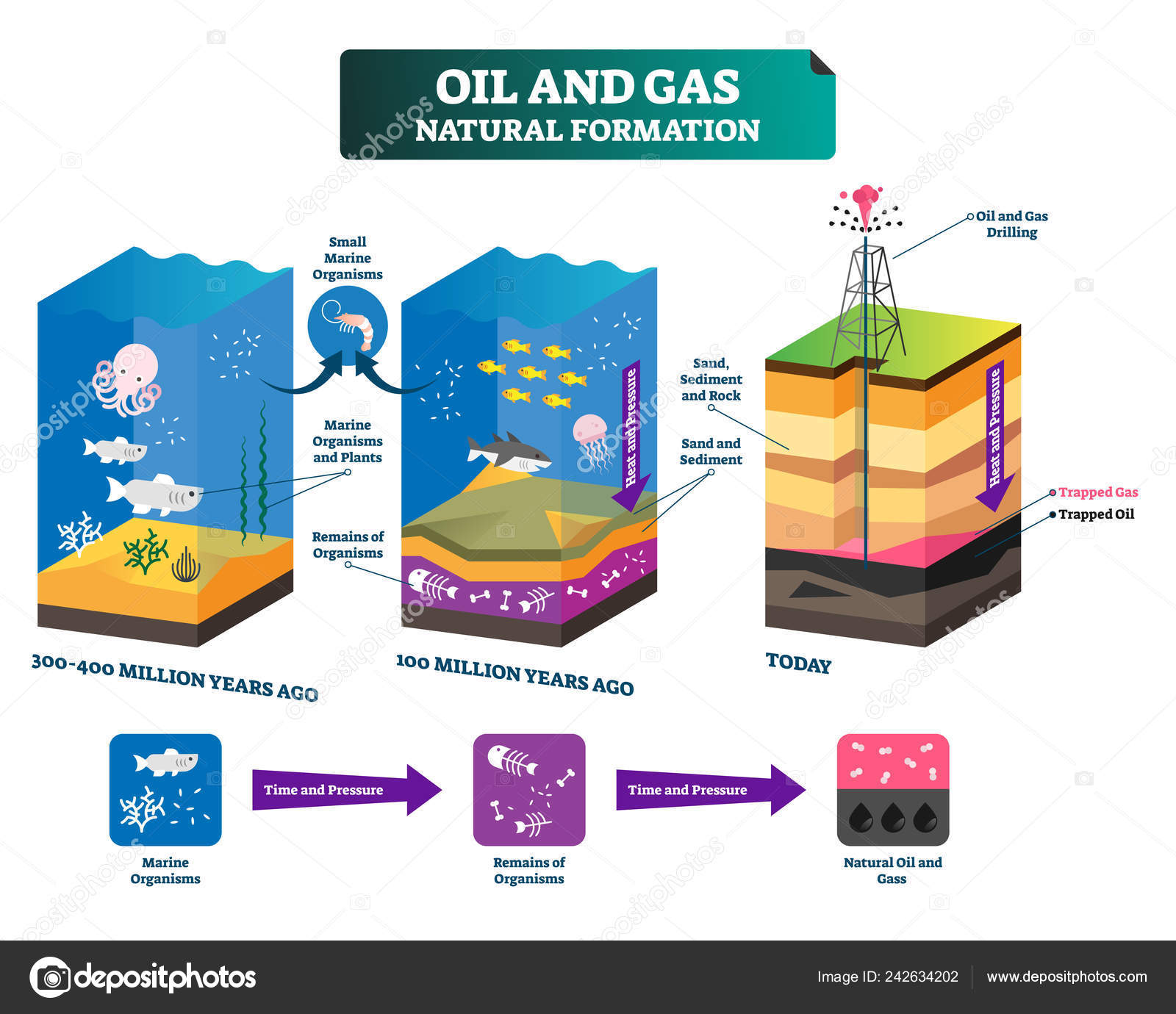
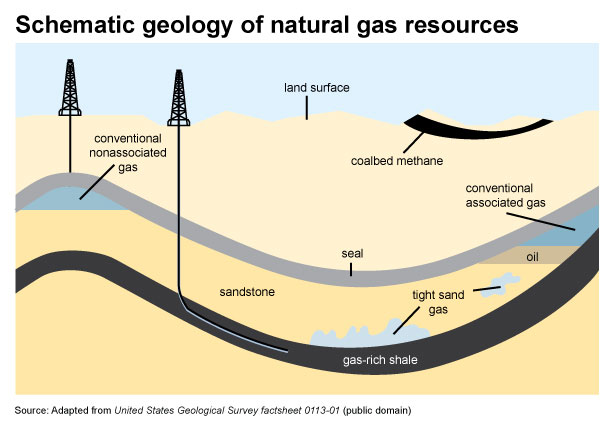
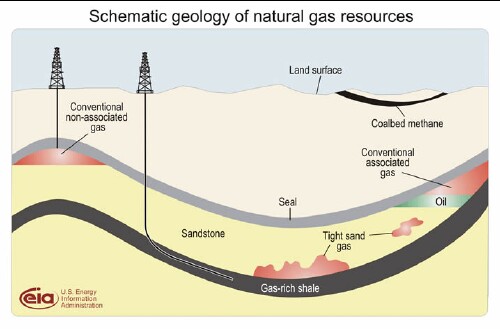
So, how do we get this energy gold from the Earth? The process isn't quite like digging for buried treasure, but it does involve some clever engineering. First, geologists study the Earth's subsurface using seismic surveys. These surveys are like sending sound waves into the ground and listening for the echoes. This helps them identify rock formations that are likely to contain natural gas deposits, which are often trapped beneath layers of impermeable rock, kind of like a sponge filled with water trapped in a plastic bag.
Must Read
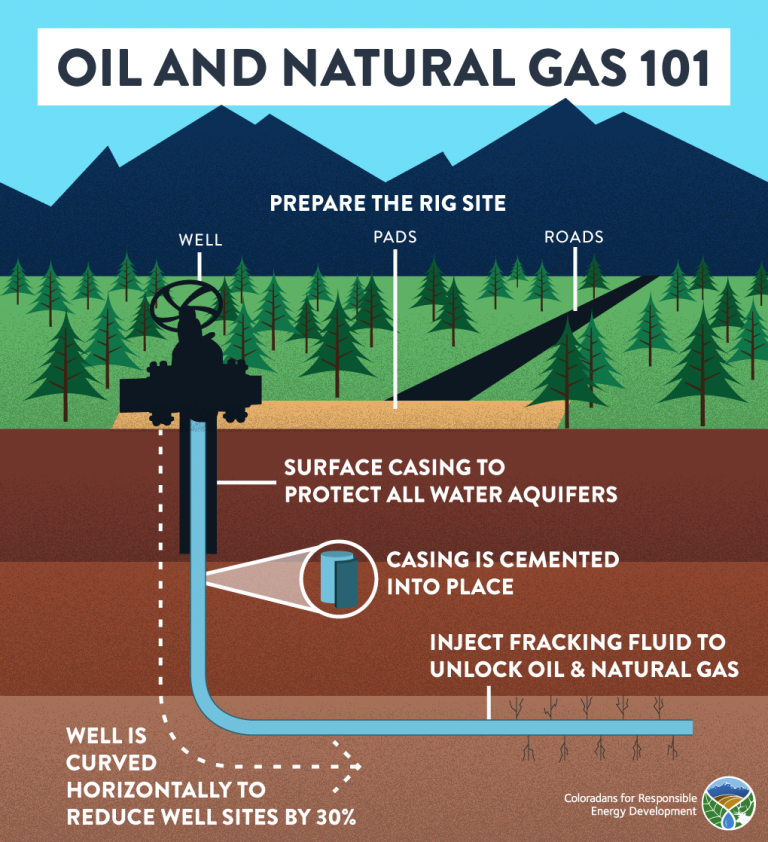
Once a promising location is found, a well is drilled. This is where the big trucks and equipment come into play. A drilling rig is used to bore a hole deep into the Earth, often thousands of feet. Think of it like using a giant, specialized drill bit. As the well is drilled, steel pipes, called casing, are inserted to prevent the well from collapsing and to protect groundwater.
Now comes the crucial part: getting the gas to flow. In some cases, the natural pressure within the reservoir is enough to push the gas to the surface. This is like popping a cork on a bottle of champagne. However, often the gas is trapped in tight rock formations with low permeability. In these situations, a technique called hydraulic fracturing, or "fracking," is used. This involves injecting a mixture of water, sand, and chemicals into the well at high pressure. This creates tiny fractures in the rock, allowing the gas to flow more freely to the wellbore.
After the gas is extracted, it needs to be processed. Raw natural gas often contains impurities like water, carbon dioxide, and sulfur compounds. These impurities are removed to make the gas safe and usable. The processed gas is then transported through pipelines to homes, businesses, and power plants.
You might be surprised to learn that natural gas plays a role in education. Science classes use it as an example when teaching about energy sources, chemical reactions (burning natural gas), and environmental impacts. In daily life, natural gas isn't just for heating and cooking. It's used to produce electricity that powers our devices, and it's a key ingredient in many everyday products, from plastics to fertilizers.
Want to explore this topic further? A simple way to learn more is to research the energy sources that power your home. Check your utility bills to see where your electricity and gas come from. You can also visit a local science museum or energy education center. Online resources, like the U.S. Energy Information Administration (EIA) website, are also treasure troves of information.
Understanding how natural gas is extracted connects us to the energy that powers our lives. It's a complex process, but hopefully, this gives you a glimpse into the fascinating world beneath our feet!