
How Is Natural Gas Converted To Electricity

Hey there, energy enthusiasts! Ever flick a light switch and wonder, "Where does all that electricity actually come from?" I mean, we know it comes from the wall (duh!), but what's the real story? Well, today, we're diving into one seriously cool source: natural gas!
Think of natural gas as the unsung hero of our modern lives. It heats our homes, cooks our food, and, yes, it's a major player in powering our world. But how do we go from a gaseous substance bubbling up from the Earth to those sweet, sweet electrons zipping through our wires? Buckle up, because we're about to find out!
The Turbine Tango: Turning Gas into Go-Go Gadgets
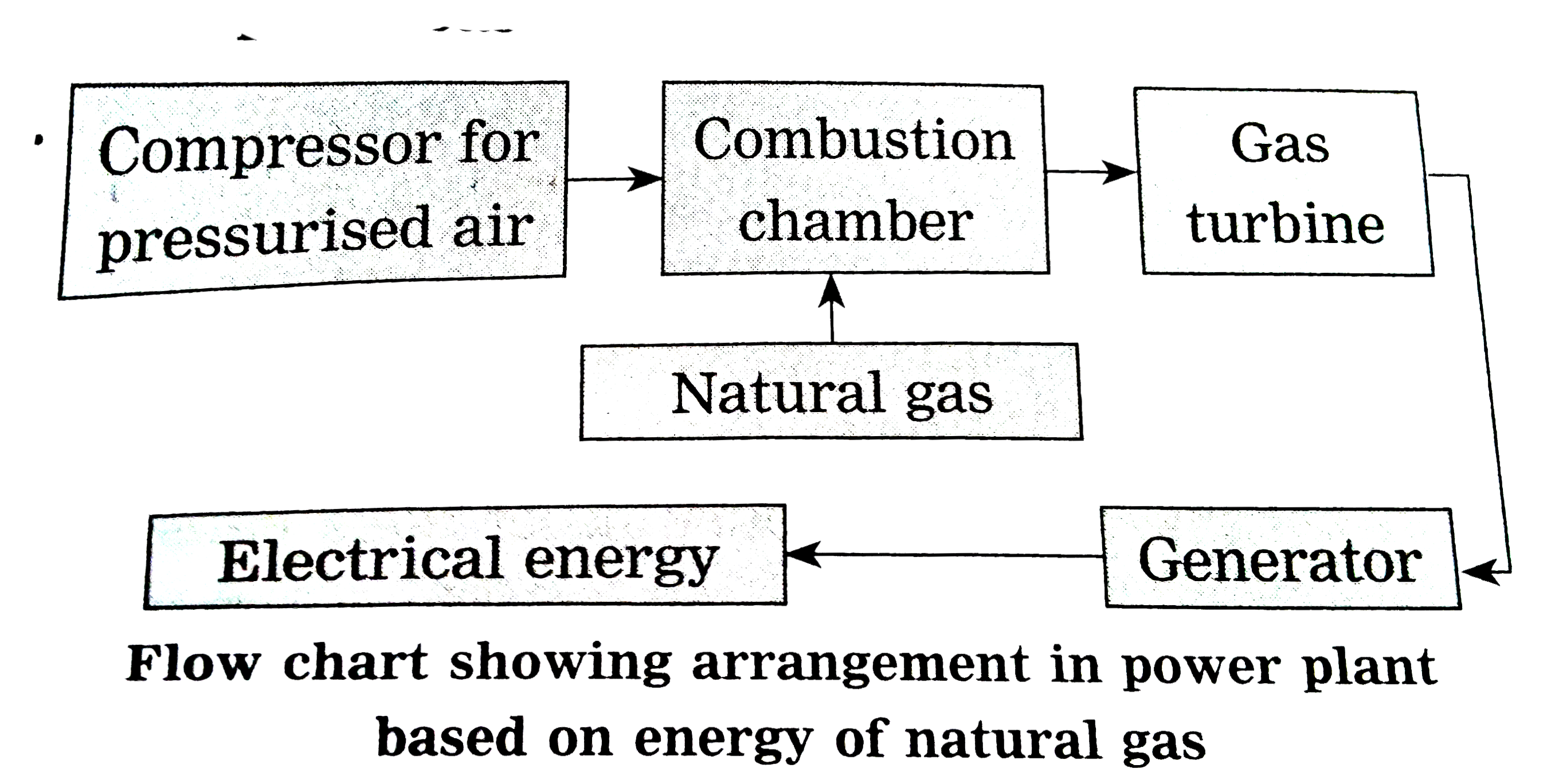
The most common way to convert natural gas into electricity involves a gas turbine. Imagine a super-powerful jet engine, but instead of propelling a plane, it's spinning a generator. Seriously, it's that cool.
Must Read
So, how does this turbine tango work? First, the natural gas is compressed. Think of squeezing a balloon – you're packing a whole lot of gas into a smaller space. This creates pressure, which is important for the next step. Think of it as winding up a toy before letting it go!
Next, the compressed gas is mixed with air and ignited in a combustion chamber. Boom! This creates a massive amount of hot, high-pressure gas. This isn't your grandma's gas stove; this is industrial-strength combustion!

This hot gas then slams into the turbine blades, causing them to spin at incredible speeds. The turbine is connected to a generator, which is basically a giant electromagnet. As the turbine spins, it rotates the generator, converting mechanical energy into electrical energy. Voila! We have electricity! It's like a Rube Goldberg machine, but for power!
Important note: Some power plants also use the heat from the exhaust gases to boil water and create steam, which then spins a second turbine. This is called a combined cycle gas turbine (CCGT) plant, and it's incredibly efficient. We're talking squeezing every last drop of power from that natural gas!

Other Ways to Get the Electric Buzz From Natural Gas
While gas turbines are the most common method, there are other ways to transform natural gas into electricity. Ever heard of a fuel cell? Think of it as a super-efficient battery that uses natural gas (or other fuels) to create electricity through a chemical reaction. They're quieter and potentially cleaner than traditional combustion methods, but they're still under development.
Another option is microturbines. These are smaller versions of gas turbines, suitable for powering individual buildings or small communities. Imagine having your own personal power plant in your backyard (okay, maybe not literally in your backyard, but you get the idea!).
Why Should You Care? (Besides Having Lights, of Course!)
Okay, so we've talked about the "how," but why should you even care about all this? Well, understanding where your electricity comes from is empowering. It helps you make informed decisions about your energy consumption and support policies that promote a sustainable future. Plus, it's just plain interesting!
Knowing how our electricity is generated can also inspire us to think about energy efficiency. After all, the less energy we use, the less we need to generate. Simple things like switching to LED bulbs, unplugging electronics when not in use, and properly insulating our homes can make a big difference.

And here's the kicker: natural gas is a relatively cleaner-burning fossil fuel compared to coal, meaning it emits less greenhouse gases when burned. While it's not a perfect solution, it can be a bridge to a future powered by renewable energy sources like solar and wind. It's a step in the right direction! (Baby steps count, right?)
The Power Is In Your Hands (Literally… to Turn on the Lights!)
So, there you have it! The next time you flip a light switch, take a moment to appreciate the incredible journey of those electrons, and maybe even give a little shout-out to the unsung hero, natural gas. It's a complex process, but hopefully, this has demystified it a bit.
Remember, knowledge is power (pun intended!). The more you understand about energy, the more you can contribute to a brighter, more sustainable future for all. Now, go forth and explore the fascinating world of energy! Who knows what amazing discoveries you'll make? The future is electric! And it's powered, in part, by your curiosity!