
How Is Geothermal Energy Converted Into Electricity

Okay, so picture this: I'm in Iceland, freezing my butt off even though it's technically summer. The wind is howling, and rain is coming down sideways. But then, I walk into this building, and BAM! Instant warmth. Like, a cozy, toasty hug. Turns out, it was a geothermal power plant. They were basically using the Earth's own fever to heat the place. Seriously, Mother Nature, you're a lifesaver (and a bit dramatic).
That got me thinking: how exactly do you turn the Earth's internal heat into something useful, like electricity? It's not like you can just plug a toaster into a volcano, right? (Please, don't try that.)
Well, buckle up, buttercup, because we're about to dive into the fascinating (and surprisingly simple) world of geothermal energy conversion!
Must Read
Harnessing the Earth's Hot Sauce
First things first, let's talk about the heat source. The Earth is like a giant onion (layers, people, layers!), and at its core, it's incredibly hot. This heat radiates outwards, warming the surrounding rock and sometimes even heating groundwater. This heated groundwater, folks, is our golden ticket.
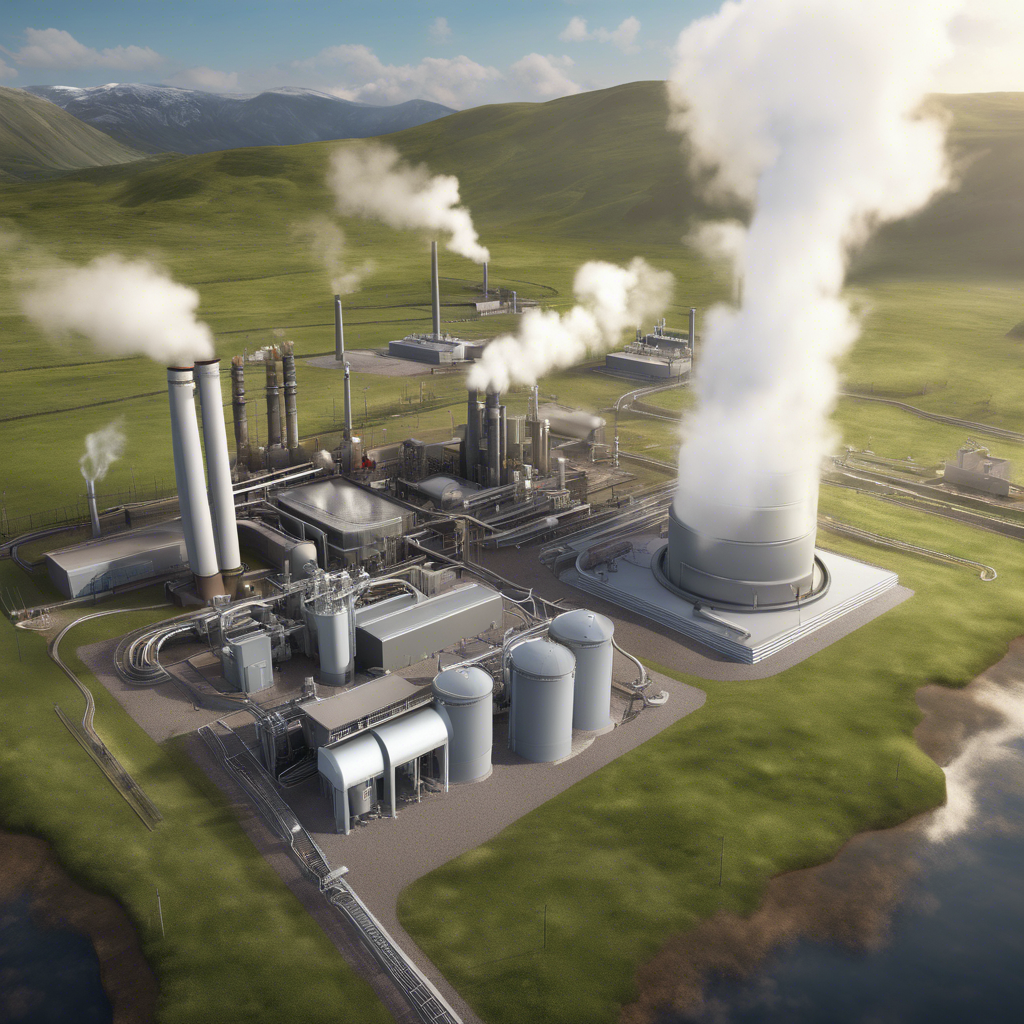
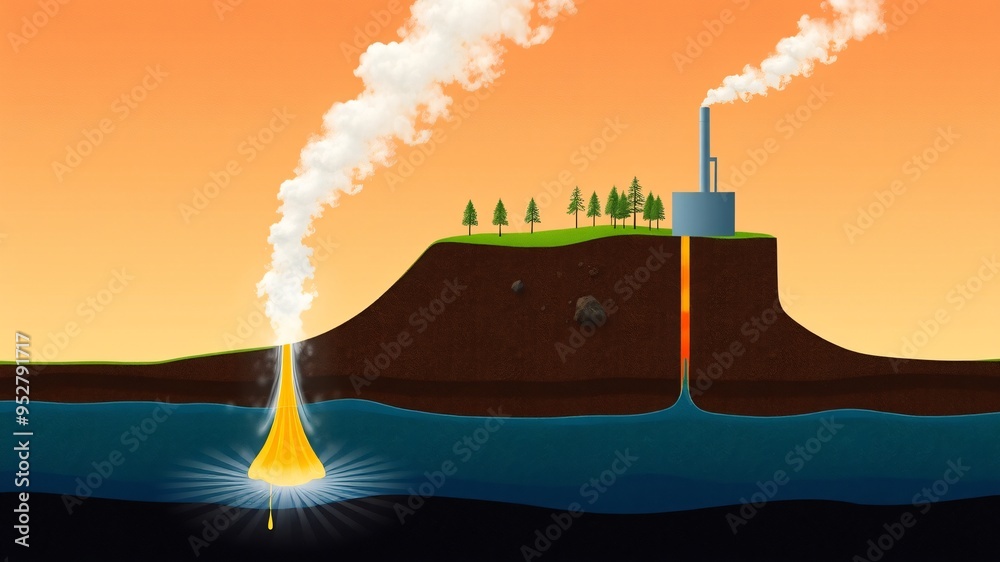
So, the basic idea is to tap into these reservoirs of hot water or steam deep underground. We're talking drilling wells, sometimes miles deep. Think of it like sticking a straw into a giant, underground, geothermal-heated spa. Except instead of getting a refreshing dip, we're after its energy.
(Side note: I wonder if they offer geothermal mud masks at these power plants… probably not.)
The Power Plant Lineup: Steam vs. Binary
Now, once we've got this hot water or steam, it's time to put it to work. There are a couple of different ways to do this, depending on how hot the geothermal resource is.
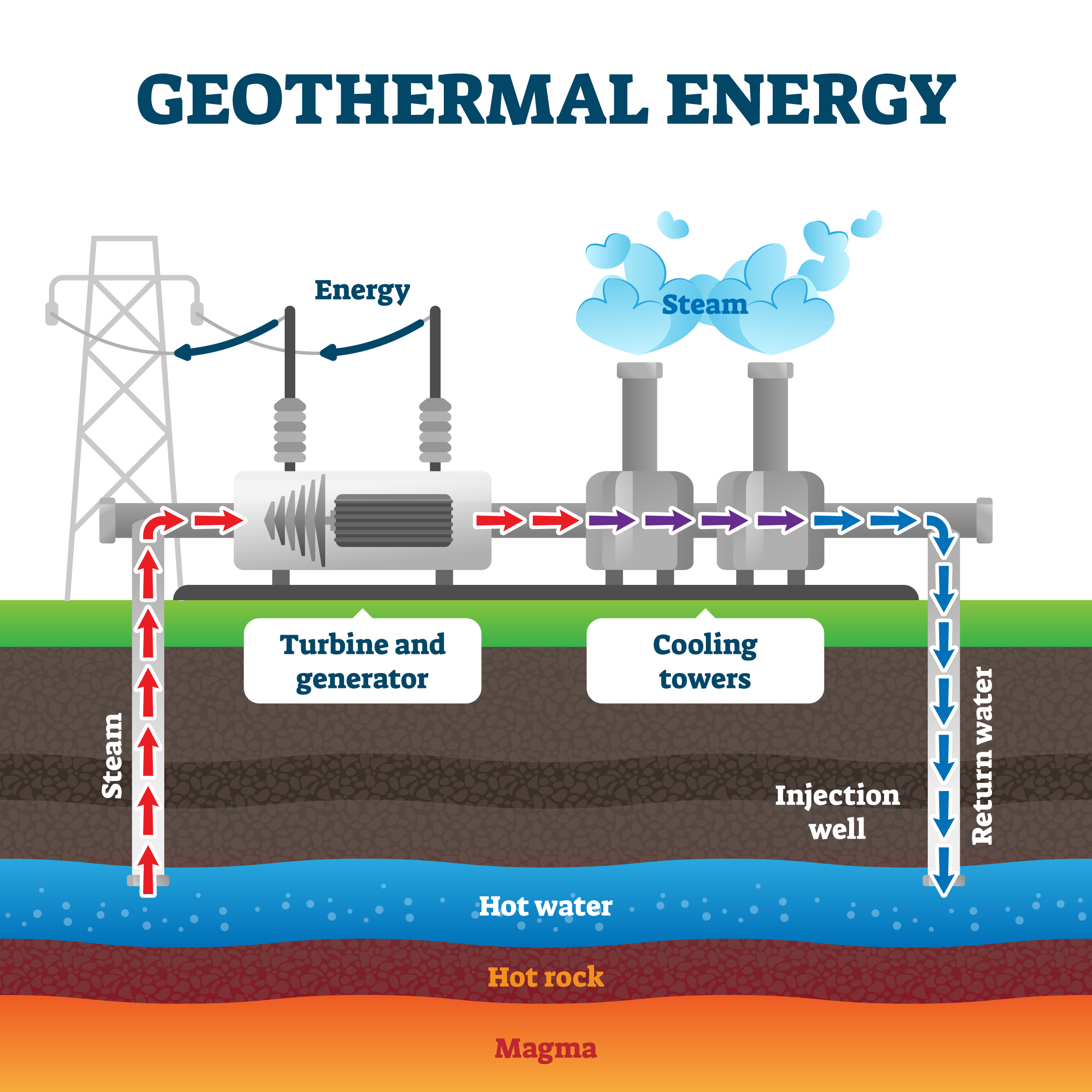
Direct Steam Plants: These are the simplest. If the geothermal reservoir produces steam directly, we're in business! The steam is piped straight into a turbine, which spins like a giant pinwheel. The spinning turbine is connected to a generator, which produces electricity. Boom! Simple, clean energy. Think of it as a geothermal-powered rollercoaster – the steam is the engine!
Flash Steam Plants: Sometimes, the geothermal reservoir produces very hot water under high pressure. When this water is brought to the surface, the pressure drops, and some of it "flashes" into steam. This steam is then used to spin a turbine and generate electricity, just like in the direct steam plants. It's like opening a can of fizzy soda – you get a sudden burst of steam (or, in this case, CO2).
Binary Cycle Plants: This is where things get a little more sophisticated. What if the geothermal resource isn't hot enough to directly produce steam? No problem! We use a "binary" system. The hot geothermal water is passed through a heat exchanger, where it heats a secondary fluid with a lower boiling point (like isobutane or pentane). This secondary fluid then turns into vapor, which drives the turbine. The beauty of this system is that it can use lower-temperature geothermal resources that would otherwise be unusable. It's like having a geothermal middleman, making sure no heat goes to waste!

From the Earth to Your Outlet
Regardless of which type of power plant is used, the end result is the same: electricity. This electricity is then fed into the power grid, where it's distributed to homes and businesses. So, next time you flip on a light switch, remember that it might just be powered by the Earth's own internal heat! Pretty cool, huh?
And the best part? Geothermal energy is a renewable resource. As long as the Earth keeps being hot (which it will for a long time), we can keep tapping into its energy. It's a much more sustainable option than burning fossil fuels, which release harmful greenhouse gases into the atmosphere. Plus, geothermal power plants have a small footprint compared to other power plants. Less land use, less pollution, and more clean energy? Sign me up!
(Seriously, I might just move to Iceland and become a geothermal power plant tour guide. That's how much I'm into this.)
So, that's the gist of it! Geothermal energy conversion is a fascinating process that allows us to harness the Earth's natural heat and turn it into electricity. It's a clean, renewable, and reliable source of energy that has the potential to play a significant role in our sustainable future.
Now, if you'll excuse me, I'm going to go research geothermal spas. You know, for… educational purposes.