How Is Fossil Fuels Bad For The Environment
Hey there, fellow earthlings! Let's talk about something that's super relevant, a little bit scary, but ultimately empowering to understand: fossil fuels and their impact on our beautiful planet. It might not sound like a barrel of laughs, but trust me, knowing the basics about this topic can help you make a real difference, and that's pretty darn cool.
Why should you care? Well, for beginners, this is a crash course in understanding one of the biggest environmental challenges we face. For families, it's a chance to discuss how our choices affect the world our kids will inherit. And for all you hobbyists out there – gardeners, hikers, DIY enthusiasts – understanding the impact of fossil fuels can inform your choices and inspire you to live a little greener.
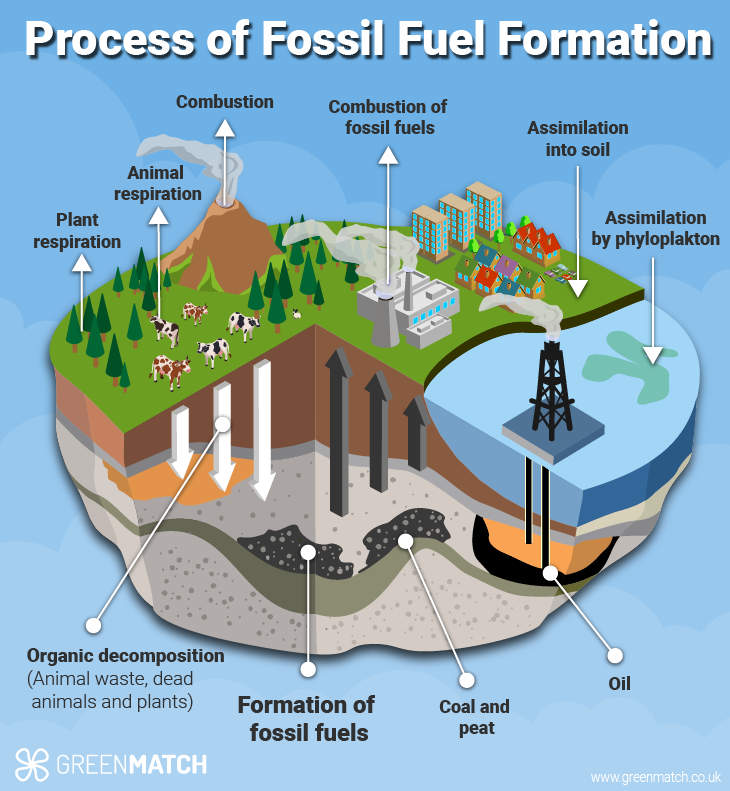
Okay, so what exactly are fossil fuels? Think of them as ancient sunshine, trapped underground for millions of years. We're talking about coal, oil, and natural gas. They’re formed from the remains of dead plants and animals that have been subjected to intense pressure and heat over geological timescales. The problem isn’t that they exist; it's that when we burn them, we release a whole host of nasty things into the atmosphere.
Must Read
The biggest culprit is carbon dioxide (CO2). This is a greenhouse gas, which means it traps heat in the atmosphere. Think of it like a blanket wrapped around the Earth – a little is good, but too much causes things to overheat. This leads to global warming and climate change, resulting in rising sea levels, more extreme weather events (like hurricanes, droughts, and floods), and disruptions to ecosystems.
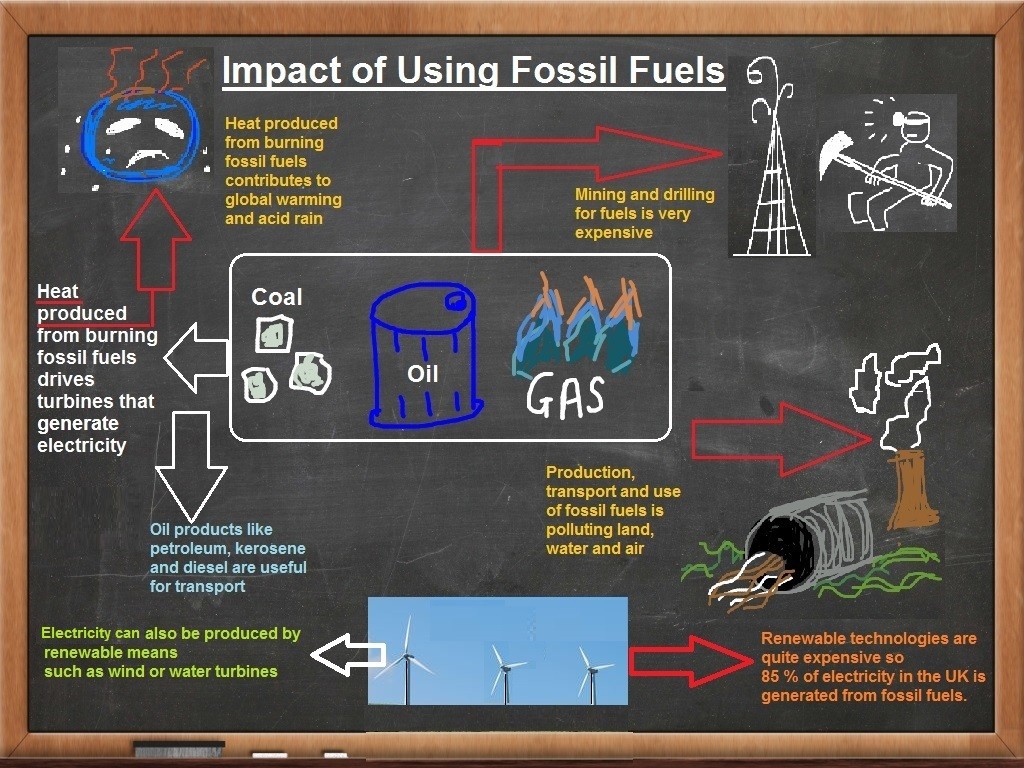
But wait, there's more! Burning fossil fuels also releases other pollutants like sulfur dioxide and nitrogen oxides, which contribute to acid rain and smog. These can damage forests, pollute lakes and rivers, and cause respiratory problems in humans. It's not a pretty picture, is it?
Examples are everywhere. Think of the increasing frequency and intensity of wildfires in California, the melting glaciers in the Arctic, or the coral bleaching happening in the Great Barrier Reef. These are all consequences, at least in part, of our reliance on fossil fuels.
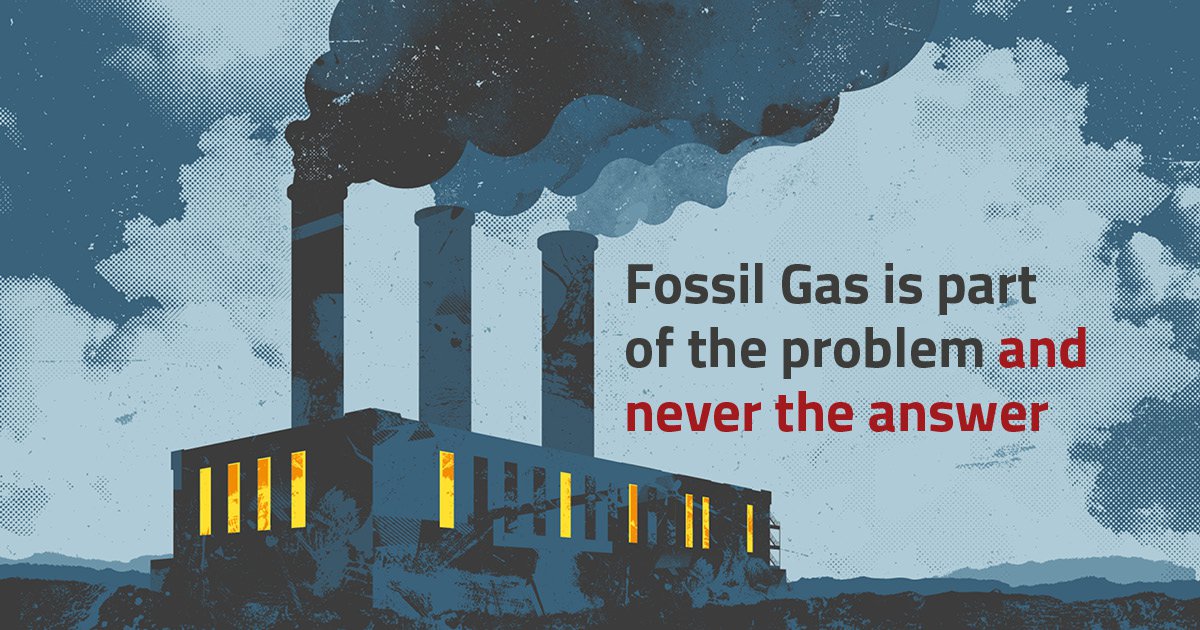
So, what can you do? Here are a few simple, practical tips for getting started:
- Reduce your energy consumption: Turn off lights when you leave a room, unplug electronics when you're not using them, and consider energy-efficient appliances.
- Drive less: Walk, bike, or take public transportation whenever possible. If you need a car, consider a hybrid or electric vehicle.
- Eat sustainably: Choose locally sourced food and reduce your meat consumption (especially beef, which has a high carbon footprint).
- Support renewable energy: Look into solar panels for your home or support companies that invest in renewable energy sources like wind and solar power.
- Educate yourself and others: The more you know, the more effective you can be in advocating for change. Talk to your friends, family, and community about the importance of reducing our reliance on fossil fuels.
It might seem overwhelming, but even small changes can make a big difference. The key is to start somewhere and to keep learning. By understanding the impact of fossil fuels and taking action to reduce our dependence on them, we can help create a cleaner, healthier, and more sustainable future for ourselves and generations to come. It's an investment in our planet, and that's an investment worth making. So, go forth and be an eco-hero! You've got this!