
How Is Energy Made From Biomass
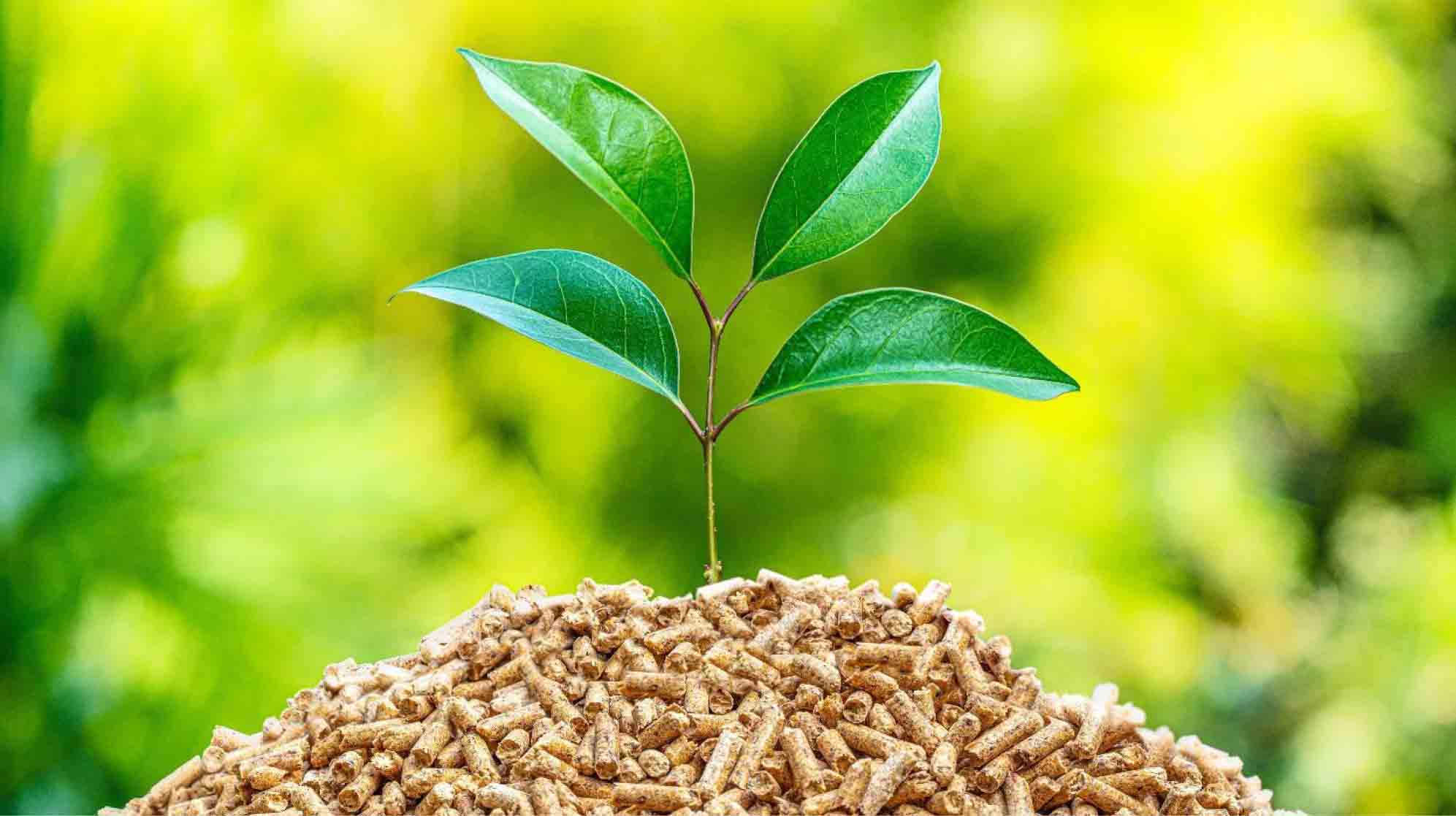
Have you ever looked at a fallen leaf, a corn stalk, or even your banana peel and wondered if it had a secret superpower? Well, it does! These everyday bits of nature, which we often toss aside, are actually bundles of hidden energy, just waiting for their moment to shine.
We call this amazing stuff biomass. Think of it as nature's ultimate energy storage device, packed with sunshine and ready to be repurposed. It’s like a secret ingredient in a recipe for a cleaner, greener world.
Imagine a bustling kitchen where everything gets a second chance. That’s kind of what happens when we make energy from biomass. We take things that grew – plants, trees, even certain kinds of waste – and turn them into power for our homes, cars, and industries.
Must Read
The Great Burning Act: From Campfire to Power Plant
One of the oldest tricks in the book is simply burning biomass. Picture a cozy campfire, crackling merrily as it keeps you warm and bright. That’s the basic idea, just on a much bigger, more controlled scale.
We take things like wood chips, agricultural waste, or even specific energy crops, and feed them into special furnaces. When they burn, they release heat. This heat then boils water, creating super-hot steam.
This steam, with all its powerful energy, spins giant turbines. These turbines are connected to generators, which then magically create electricity. It's a bit like a high-tech version of boiling a kettle to power your entire street!
It’s a straightforward method, echoing back to our ancestors who first harnessed fire. Today, it’s a sophisticated dance between nature’s stored energy and human ingenuity, turning what might be waste into a valuable resource.
"It’s like a high-tech version of boiling a kettle to power your entire street!"
The Gassy Marvel: Tiny Bugs Doing Big Work
Now, for something a little different, and perhaps a bit more surprising! Imagine tiny, invisible helpers working tirelessly in the dark, munching on organic leftovers. These aren't mythical creatures; they're microbes, and they're absolute superstars.
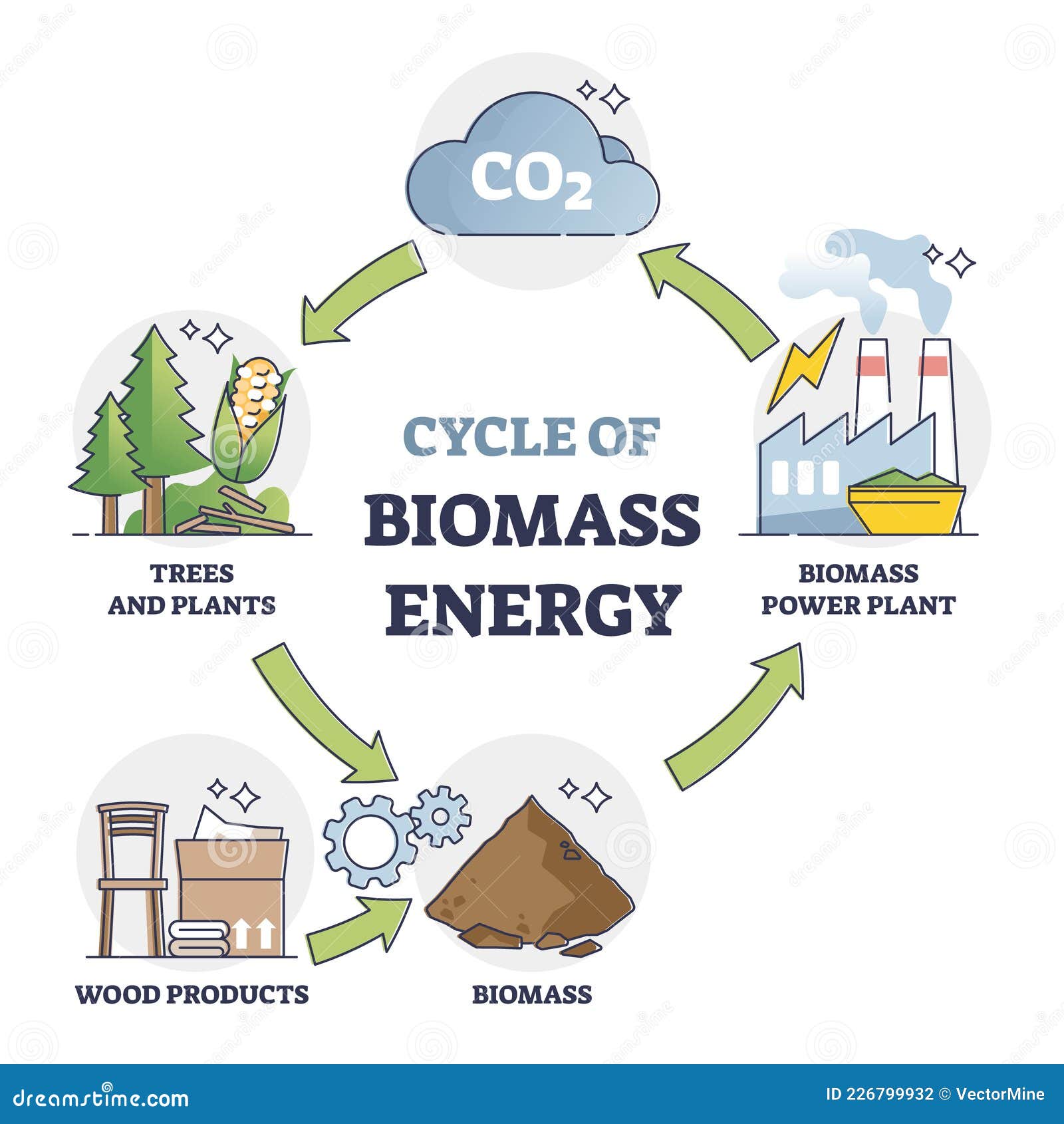
This process is called anaerobic digestion, which basically means these tiny critters work without air. They feast on things like food scraps, animal manure, and sewage. Yes, even your veggie peelings and Fido’s backyard deposits can become power!
As these diligent microbes chomp away, they release a gas – mostly methane, the main component of natural gas. We carefully capture this "biogas" before it escapes into the atmosphere.
This biogas can then be used in many ways. It can generate electricity, heat homes, or even fuel vehicles. It's like turning what might seem like smelly waste into a valuable, clean-burning fuel, all thanks to some microscopic digestion!
Think of it as nature's ultimate recycling program, where even the most unglamorous organic materials get a chance to contribute to our energy needs. It’s truly amazing what a few hungry bacteria can accomplish in the dark.
Liquid Gold: Plants Powering Our Rides
Ever filled your car with gasoline and wondered if there was a greener alternative? Well, there is, and it comes from plants! We're talking about biofuels, which are liquid fuels made from biomass.

One famous example is ethanol, often made from corn or sugarcane. Farmers grow these crops, and then through a process similar to brewing beer (but for fuel!), the plant sugars are fermented to create alcohol.
This alcohol, or ethanol, can then be blended with gasoline to power our cars. So, every time you see a field of corn swaying in the breeze, remember it might just be destined to help you on your next road trip!
Another popular biofuel is biodiesel. This can be made from vegetable oils (like soybean or rapeseed oil) or even from used cooking oil from your favorite restaurant. Yes, that leftover fryer oil could one day be driving a bus!
The idea is wonderfully circular: plants capture solar energy as they grow, and we then convert that stored energy into a convenient liquid fuel. It’s nature’s own fuel pump, running on sunshine and plant power.
The Heart of the Matter: Stored Sunshine
At the heart of all these fantastic methods is a single, beautiful concept: photosynthesis. This is the incredible process where plants use sunlight, water, and carbon dioxide to grow.
Essentially, every leaf, stalk, and twig is a tiny, perfect solar panel, diligently capturing the sun's energy. When we use biomass for energy, we’re simply releasing that stored sunshine in a controlled and useful way.

It's a marvel of natural engineering, transforming light into matter. Then, through our ingenuity, we transform that matter back into useful energy, completing a wondrous cycle.
From Farm Fields to Forest Floors: Where Does Biomass Come From?
The sources of biomass are incredibly diverse, often turning what we consider waste into a treasure. Imagine vast fields of corn, not just for food, but for their stalks, leaves, and cobs after harvest.
Forests provide wood waste – branches, sawdust, and thinning debris that would otherwise just decompose. These woody bits become fuel, giving new life to forgotten scraps.
Then there’s our everyday garbage. Food scraps, garden clippings, and even discarded paper can be sorted and transformed into energy. It's a heartwarming thought that our kitchen waste can power a lightbulb!
And let's not forget the agricultural side. Animal manure, a plentiful resource on farms, is a prime candidate for creating biogas. It tackles waste while creating clean energy, a win-win situation.
So, the next time you see a pile of leaves, a discarded corn cob, or even visit a farm, remember the incredible journey that these seemingly simple materials can take. They are quietly waiting to become something powerful.
A Story of Renewal and Responsibility
Making energy from biomass is more than just a clever trick; it’s a big part of building a sustainable future. It helps us reduce waste by finding a purpose for organic materials that would otherwise just sit in landfills.
It's also a renewable energy source because plants can be grown again and again. As long as the sun shines and rain falls, we can keep cultivating these green powerhouses.
This technology isn't just about big power plants; it can also be localized. Small farms can generate their own electricity from animal waste, creating a closed-loop system that benefits both the environment and the farmer.
So, the next time you marvel at a towering tree or a humble blade of grass, remember its incredible potential. It’s not just beautiful; it's a tiny, powerful engine, waiting to help light up our world.
It’s a story of nature’s endless generosity, combined with human innovation, turning the ordinary into the extraordinary. Biomass energy truly shows us how much power is hidden in plain sight, just waiting to be unleashed.