
How Is Electricity Produced In A Power Station
Hey there, friend! Ever wonder where electricity really comes from? Like, beyond the wall socket?
It's a wild ride involving massive machines and controlled explosions (sometimes!). Let's dive into how power stations zap energy into our lives.
The Big Picture: Spinning to Win
Okay, the core idea is simple: spinning something big. Specifically, a turbine. Think of it like a giant, souped-up water wheel, but instead of water, we use other stuff to make it turn.
Must Read
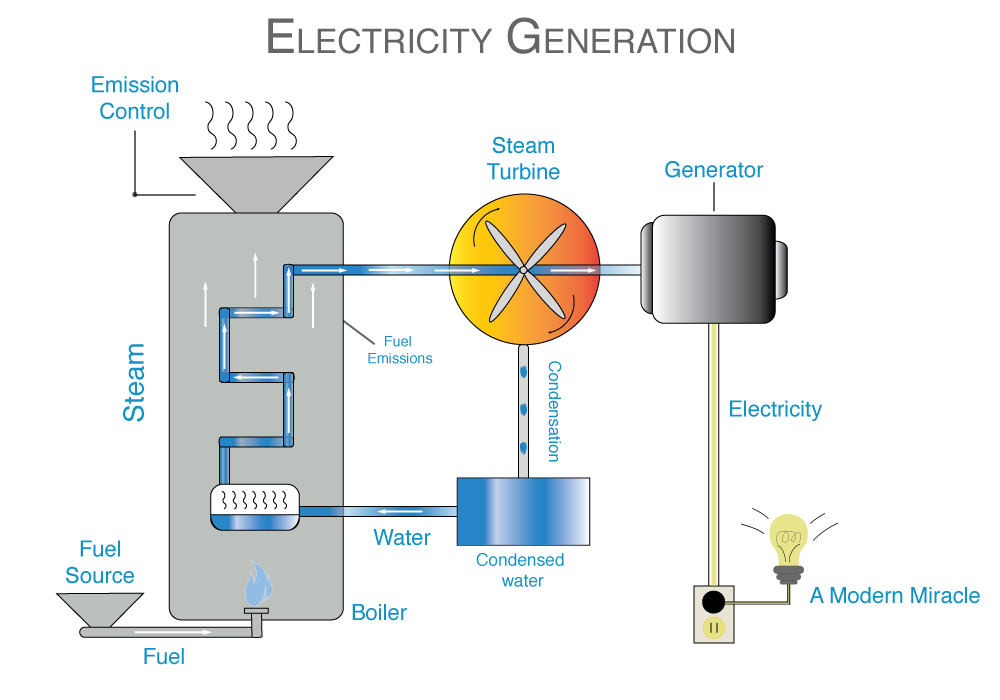
This spinning turbine is connected to a generator. The generator uses magnets and coils of wire. When the turbine spins, it makes these magnets whizz around the coils. BOOM! Electricity!
It's all about converting energy from one form to another. Magic? Nah, just physics!
Fueling the Fire (or Wind, or Water...)
So, what makes the turbine spin? That's where things get interesting. Different power stations use different methods. Here's a peek:
Coal Power: The Classic (and Controversial)
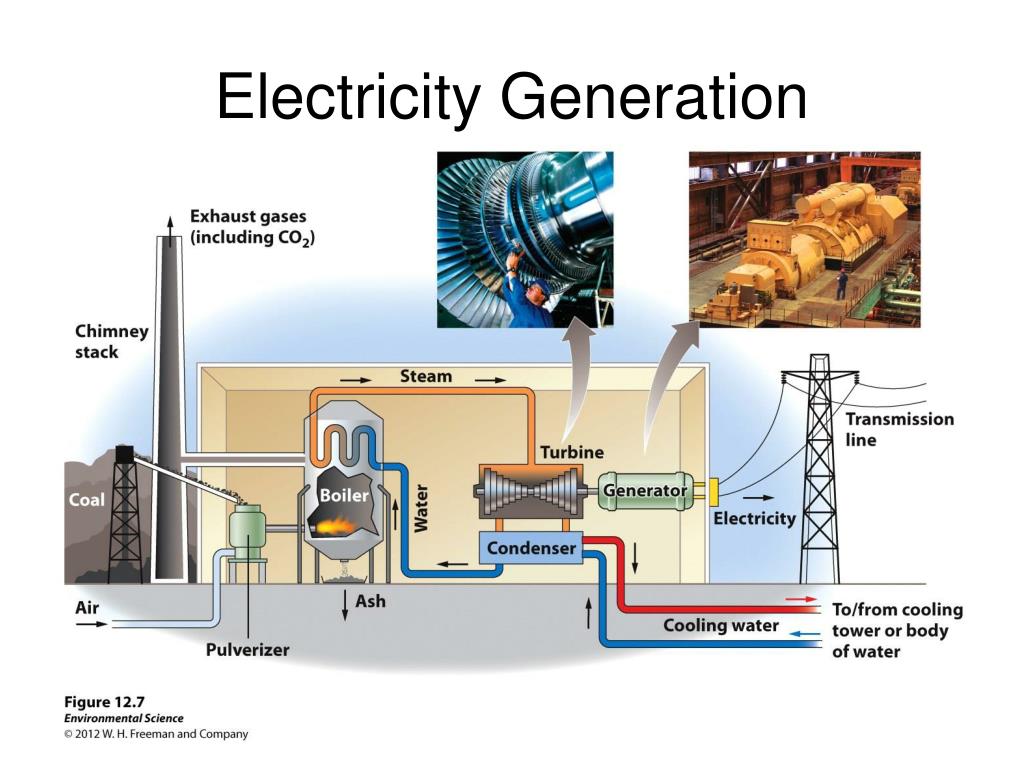
Imagine a giant furnace. We're talking dragon-sized. Now, picture dumping mountains of coal into it. That coal burns, heating water. The water turns into super-heated steam.

This steam is forced through nozzles at high pressure, blasting onto the turbine blades. The turbine spins like crazy! It’s like a super intense steam punk party!
Fun fact: Coal power plants have been around for ages. They're reliable, but they also release a lot of pollution. That's why we're moving towards cleaner options.
Natural Gas: A Cleaner Cousin
Natural gas plants work similarly to coal plants, but they burn natural gas instead. Burning natural gas releases less pollution than coal.
Often, they even use the hot exhaust gases from burning natural gas directly to spin a turbine. Efficient, right?
Nuclear Power: Splitting Atoms for Power
Okay, this one's a bit more complicated. Instead of burning something, nuclear power plants split atoms. This process, called nuclear fission, releases a ton of heat.
This heat boils water, creating steam, which spins the turbine. It's basically the same principle as coal and gas, just with a different heat source.
Quirky detail: The fuel used in nuclear power plants is uranium. A small amount of uranium can produce a huge amount of energy.
Hydroelectric Power: Water Power!
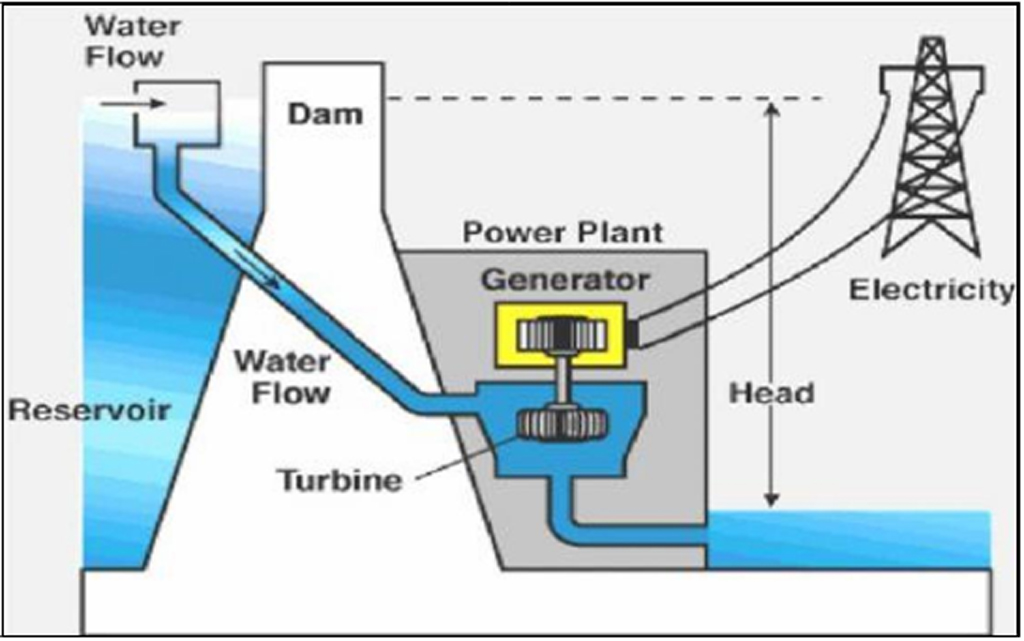
Remember that water wheel analogy? Hydroelectric power is the closest we get. We build a dam to create a reservoir of water.
Then, we release the water through tunnels, and it rushes past turbine blades. The rushing water spins the turbines, generating electricity.
Visual: Think of Niagara Falls, but with turbines cleverly placed to harness the power of the falling water.
Wind Power: Harnessing the Breeze
Wind turbines are becoming increasingly common. They're those tall, elegant structures with spinning blades.
The wind turns the blades, which are connected to a generator inside the turbine housing. The generator converts the wind's kinetic energy into electricity.
Funny detail: Sometimes, wind turbines are placed in locations with so much wind that they have to be shut down to prevent damage. Too much power!
Solar Power: Sunshine Power
Solar panels are made of special materials that convert sunlight directly into electricity. It’s like a tiny science experiment on your roof!
When sunlight hits the solar panels, it excites electrons in the material, causing them to flow and create an electric current.
Did you know? Solar power is becoming increasingly affordable and efficient, making it a major player in the future of energy.
From Power Station to Your Plug
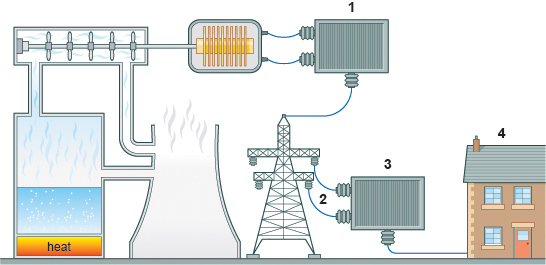
Once electricity is generated, it needs to be transmitted to our homes and businesses. This is done through a network of power lines and substations.
The electricity is transformed to high voltage for efficient transmission over long distances. Then, it's stepped down to lower voltages for use in our homes.
Think of it: The next time you flip a light switch, remember the incredible journey of that electricity, from the power station to your bulb. Pretty cool, huh?
So, there you have it! The basics of electricity generation. Hope you found it as fascinating as I do!