
How Is Electricity Produced From Wind Energy
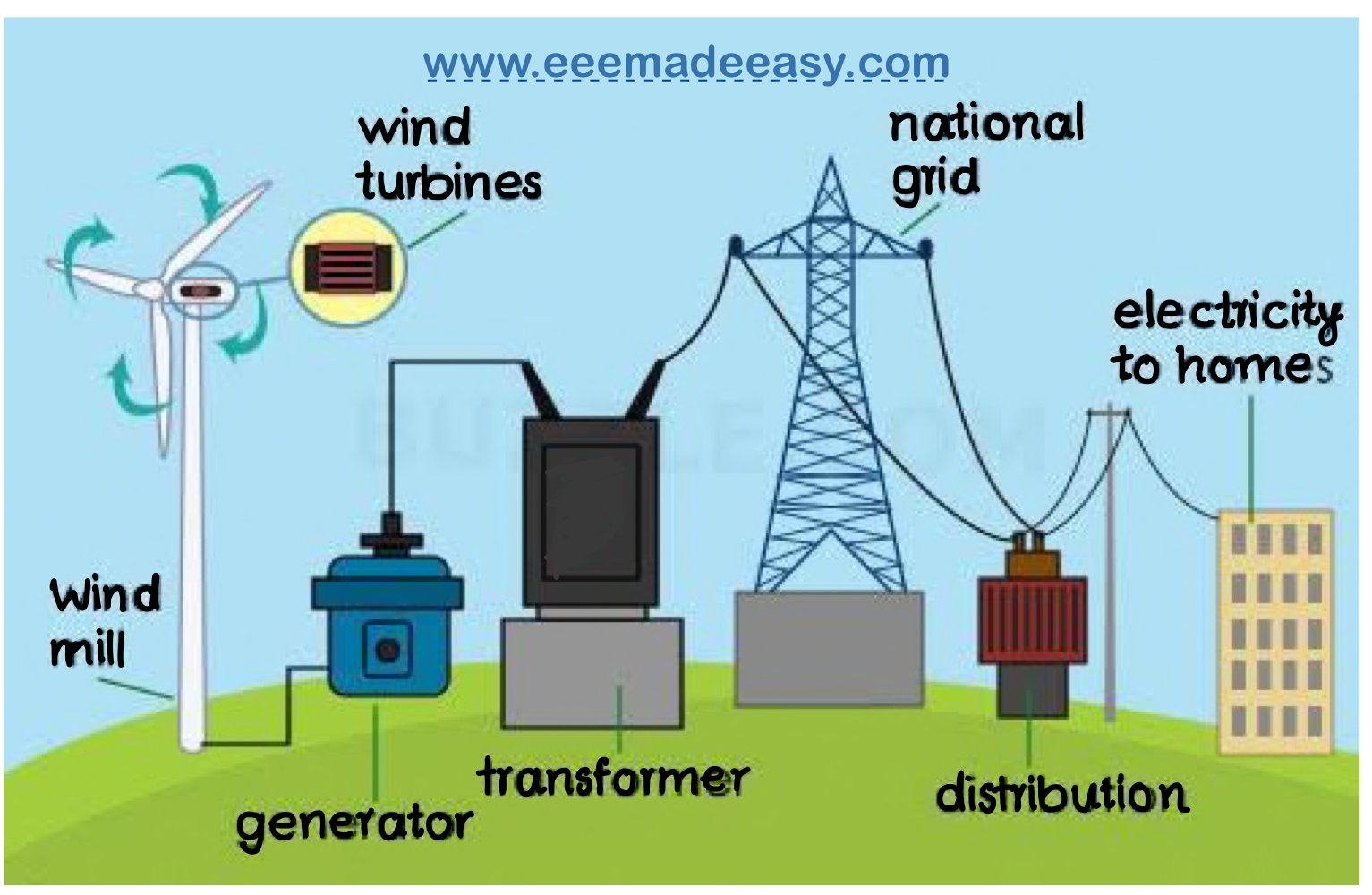
Ever watched a majestic wind turbine gracefully spinning against the sky and wondered, "How does that thing actually make electricity?" You're not alone! The process is surprisingly elegant, a beautiful dance between nature and technology. Let's demystify wind energy and explore how those swirling blades power our lives.
Harnessing the Breeze: The Basics
At its heart, wind energy conversion relies on a simple principle: transforming kinetic energy (the energy of motion) into electrical energy. Think of it like a high-tech windmill – but instead of grinding grain, it’s generating power for your Netflix binge-watching sessions. Here's the breakdown:
The wind, that invisible force we feel on a breezy day, pushes against the turbine's rotor blades. These blades are carefully designed to be aerodynamic, meaning they're shaped to efficiently capture the wind's energy. As the wind flows over the blades, it creates lift – similar to how an airplane wing works – causing them to rotate.
Must Read
Fun Fact: The optimal wind speed for most wind turbines is around 30-55 mph. Too little wind, and there isn't enough force to turn the blades efficiently. Too much, and the turbine will shut down to prevent damage – safety first!
From Rotation to Electricity: The Generator
The rotating blades are connected to a main shaft inside the turbine. This shaft then turns a generator. The generator, the real workhorse of the operation, uses electromagnetic induction to convert the mechanical energy of the rotating shaft into electrical energy.
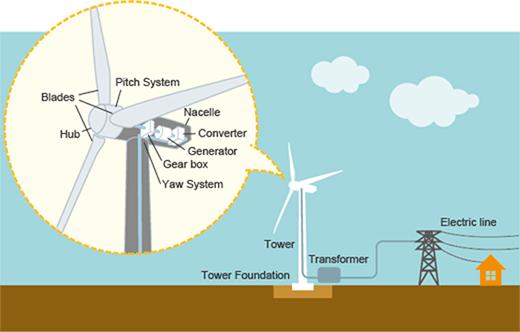
Imagine a wire moving through a magnetic field – that's essentially what's happening inside the generator. This movement induces an electric current, which is then captured and directed to the electrical grid.
Tip: Different types of generators exist, but most modern wind turbines use direct-drive generators or generators coupled with gearboxes. Gearboxes increase the rotational speed before it reaches the generator, allowing for smaller and more efficient generator designs. Think of it like shifting gears on a bicycle – it helps you go faster with less effort!
Getting the Power to You: The Grid Connection
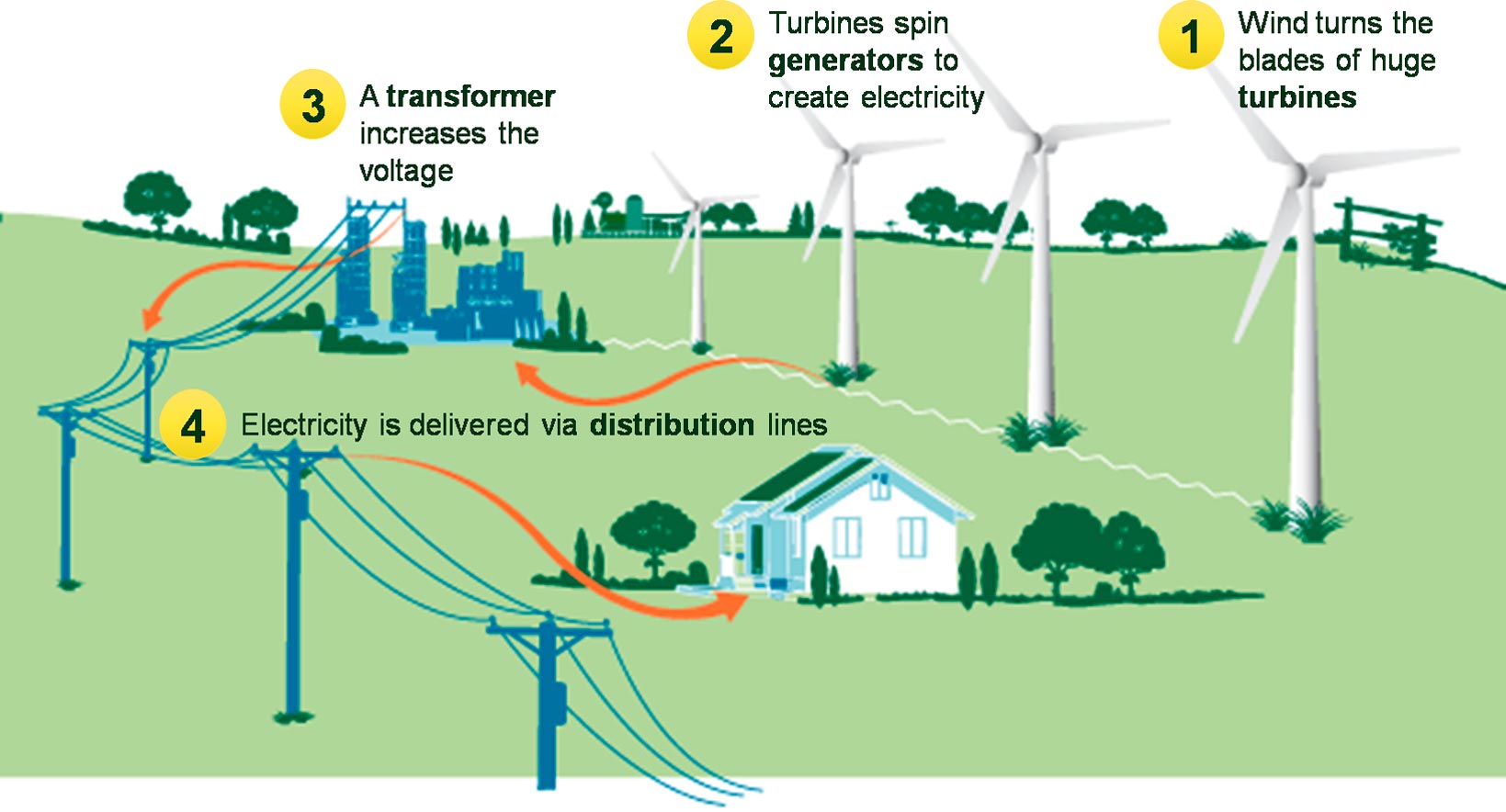
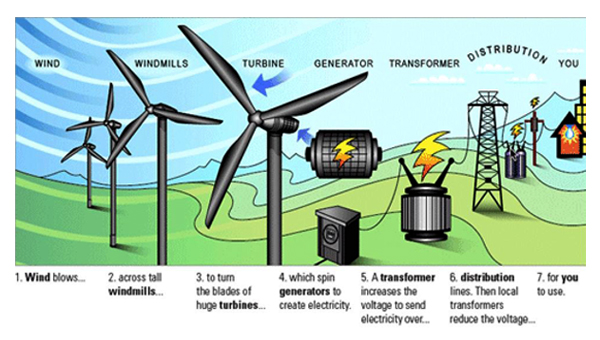
Once the electricity is generated, it needs to be transmitted to homes and businesses. This is where the electrical grid comes in. The electricity from the wind turbine is first sent to a transformer, which increases the voltage to make it suitable for long-distance transmission.
Then, it travels through power lines to substations, where the voltage is reduced again before being distributed to local areas. It's a complex network, but it ensures that the power generated by wind turbines reaches your outlets reliably.
Cultural Reference: The concept of renewable energy, including wind power, is gaining traction globally. You see it reflected in movies, documentaries, and even fashion – a growing awareness and appreciation for sustainable practices.

Factors Affecting Wind Energy Production
The amount of electricity a wind turbine produces depends on several factors:
- Wind Speed: Higher wind speeds equal more energy.
- Blade Size: Larger blades capture more wind.
- Turbine Height: Taller towers often access stronger and more consistent winds.
- Location: Coastal areas and open plains tend to be windier than sheltered areas.
Practical Tip: Interested in learning more about wind resources in your area? Check out online wind maps and renewable energy databases. You might be surprised to find that your region has significant wind energy potential!
The Bigger Picture: Sustainability and Our Future
Wind energy is a clean and renewable source of electricity. It doesn't produce greenhouse gas emissions during operation, making it a vital tool in combating climate change. While the construction and manufacturing of wind turbines do have an environmental impact, the overall benefits far outweigh the costs.
Fact: The cost of wind energy has decreased dramatically in recent years, making it increasingly competitive with traditional fossil fuels. In many regions, wind power is now one of the cheapest sources of electricity.
Ultimately, understanding how wind energy works empowers us to make informed choices about our energy consumption. Every time we switch on a light or charge our phones, we're participating in a complex energy system. Choosing renewable energy sources like wind power is a step towards a more sustainable and environmentally responsible future. Consider supporting policies and companies that promote renewable energy – it's a win-win for everyone.