
How Is Electricity Produced From Geothermal Energy
Okay, let's talk about geothermal energy. It sounds all sci-fi and impressive, right? But honestly, the basic idea is surprisingly simple. Think of it like this: Earth is basically a giant, slow-cooker. And instead of delicious pulled pork, it's cooking up...well, heat. Lots and lots of heat.
So, How Do We Get the Electricity?
Imagine you’re making a cup of tea. You heat up water, right? The steam from that boiling water can spin a tiny turbine in a fancy kettle. Geothermal energy is pretty much the same, only on a much, much larger scale. Except instead of a kettle, we're talking about the entire freakin' planet!
Deep beneath our feet (usually a mile or two down), there are reservoirs of hot water and steam. These are naturally heated by the Earth's core. That’s right, the Earth's core, which is hotter than the surface of the sun. Talk about a power source!
Must Read
Here's the basic process:
- Find the Hot Stuff: Scientists locate these underground hot water and steam pockets. They're not evenly distributed, so it's kind of like hunting for buried treasure (but with better technology and less swashbuckling).
- Drill, Baby, Drill!: Wells are drilled down into the geothermal reservoir. This is where things get loud and probably a little bit messy. But hey, no omelets without breaking eggs, right? (Or in this case, no electricity without drilling holes.)
- Steam Power!: The hot water and steam rush up the well to the surface. This steam is then used to spin the blades of a giant turbine. Think of a huge, super-powered pinwheel.
- Generator Magic: The spinning turbine is connected to a generator. The generator then converts the mechanical energy of the spinning turbine into electricity. It's basically magic...but, you know, science-magic.
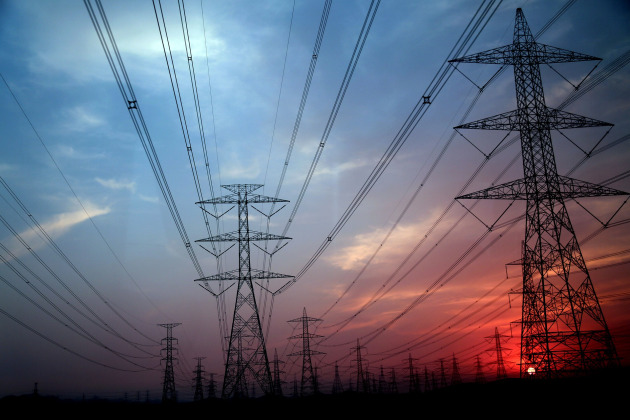
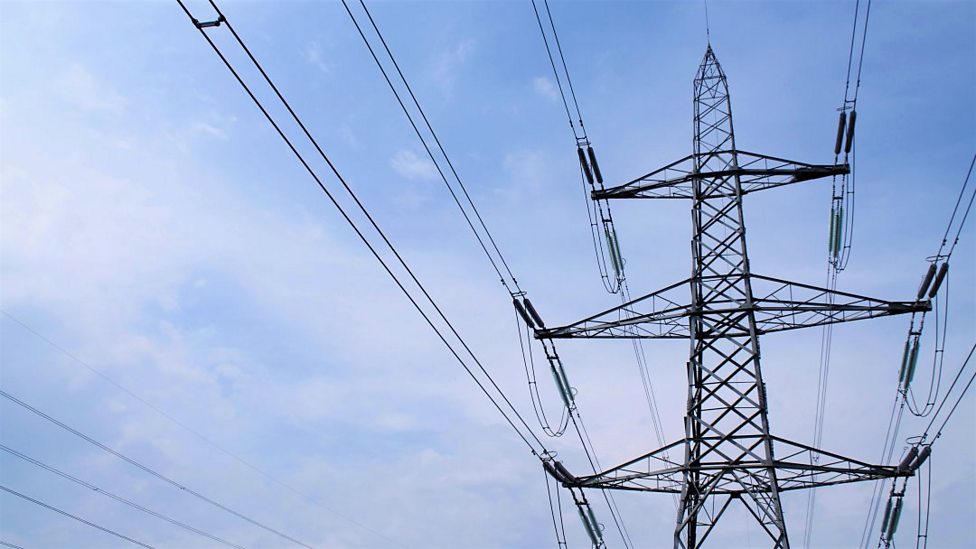
- Send It Out: Finally, the electricity is sent out through power lines to homes and businesses. You can now binge-watch your favorite shows, all thanks to the Earth’s inner furnace!
Different Types of Geothermal Power Plants
There are a few different types of geothermal power plants, depending on the temperature and pressure of the geothermal resource. The most common types are:
- Dry Steam Plants: These use steam directly from the geothermal reservoir to turn the turbine. Simple, efficient, and kind of old-school cool.
- Flash Steam Plants: These plants take hot water under high pressure and "flash" it into steam by reducing the pressure. Think of it like opening a soda bottle that’s been shaken – whoosh!
- Binary Cycle Plants: These are for lower-temperature geothermal resources. They use the hot water to heat a second fluid (like isobutane) that boils at a lower temperature than water. This secondary steam then spins the turbine. It's like geothermal energy, but with a helper!
The "Unpopular" Opinion
Okay, here's where I might ruffle some feathers. Everyone's always going on about solar and wind power (and they're great, don't get me wrong!). But honestly, geothermal is the unsung hero of renewable energy. It's available 24/7, rain or shine (or blizzard!). The Earth's core doesn't take days off, does it? Why aren’t we investing way more in this reliable, consistent power source? Just saying.
Sure, it's not perfect. Geothermal plants can be expensive to build, and they can sometimes release small amounts of greenhouse gases. But overall, it's a pretty darn clean and sustainable way to get our energy. Plus, the idea of tapping into the Earth's internal heat? That's just plain awesome.
:max_bytes(150000):strip_icc()/electrical-sparks--artwork-548000401-5989ea456f53ba001118af4b.jpg)
So, the next time you flip a light switch, take a moment to appreciate the amazing power of geothermal energy. It's a reminder that the Earth is not just our home, but also a giant, simmering powerhouse just waiting to be tapped. And maybe, just maybe, it deserves a little more love in the renewable energy conversation.
Remember folks, geothermal energy is a powerful renewable source that is derived from the Earth's internal heat. This is why geothermal energy is a great choice to power our future!

:max_bytes(150000):strip_icc()/electricity-cable-with-sparks-artwork-525442015-5804fee23df78cbc28a71d9f.jpg)