How Is Electricity Generated Using Wind Power
Ever feel that rush of exhilaration when you see a giant wind turbine gracefully spinning, seemingly plucking power right out of thin air? It's not magic, though it might seem like it! Understanding how wind power works is not only fascinating, but it's also incredibly relevant in today's world as we strive for cleaner and more sustainable energy sources. Plus, knowing the basics makes you a more informed citizen, ready to discuss (and even advocate for!) this cool technology. So, let’s dive in and unravel the mystery of how wind becomes electricity!
At its core, the purpose of wind power is simple: to harness the kinetic energy of the wind and convert it into usable electricity. Think of it like a high-tech windmill, but instead of grinding grain, it's powering our homes and businesses. The primary benefit is that it's a renewable energy source. Unlike fossil fuels that are finite and contribute to pollution, wind is a natural resource that's constantly replenished. This makes wind power a vital tool in combating climate change and creating a more sustainable future. Beyond the environmental benefits, wind power also contributes to energy independence and can create jobs in manufacturing, installation, and maintenance.
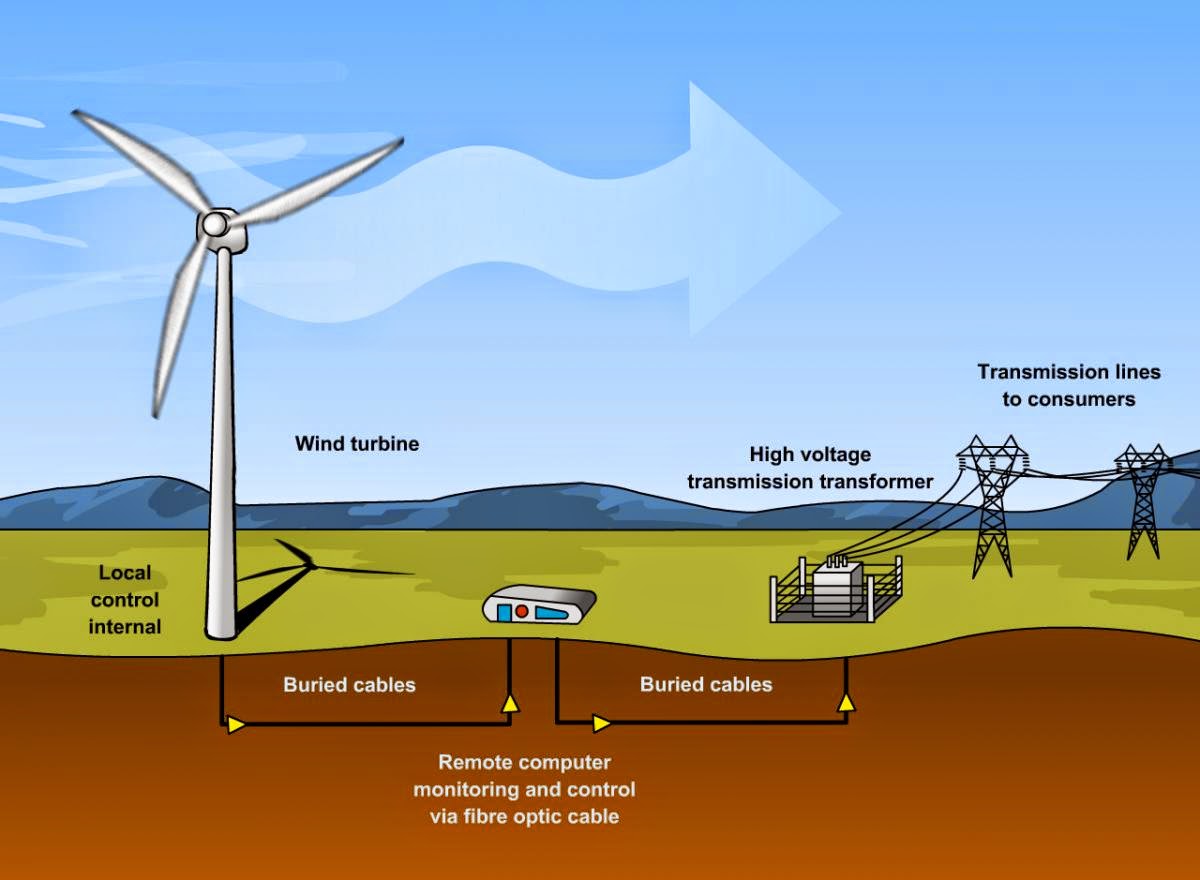
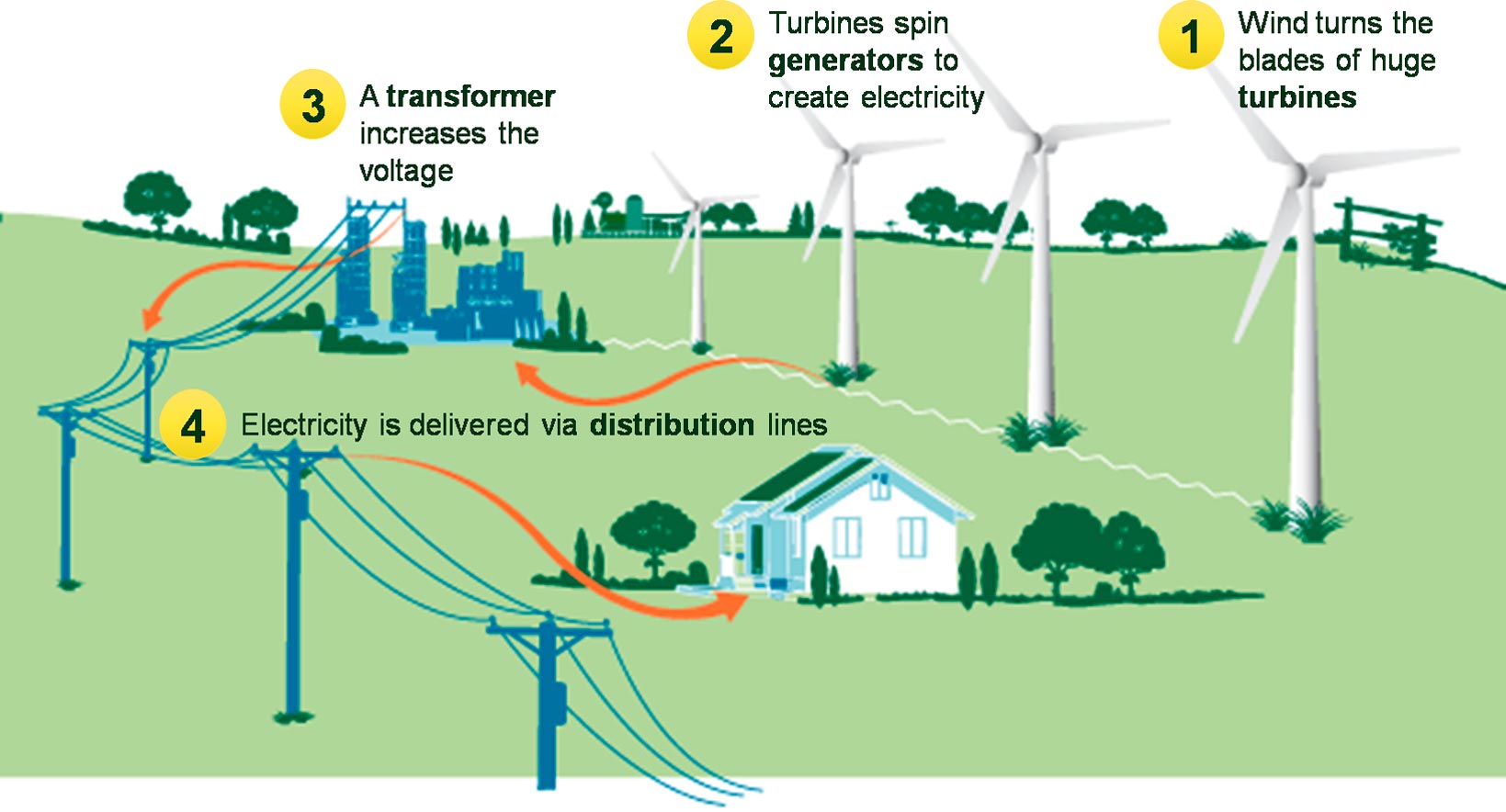
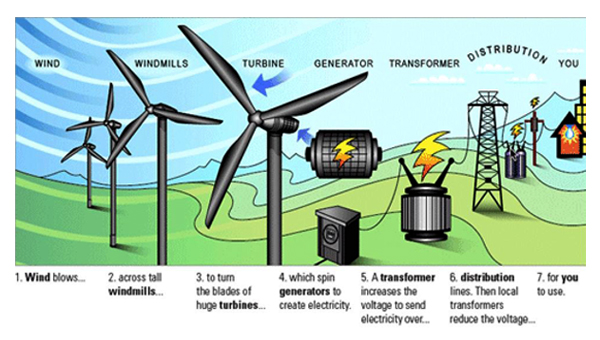
So, how does it actually work? The process starts with the wind, obviously! When the wind blows, it hits the large blades of the wind turbine. These blades are specifically designed to capture as much of the wind's energy as possible, much like an airplane wing creates lift. As the wind pushes against the blades, they begin to rotate. This rotation is the key to unlocking the wind's potential.
Must Read
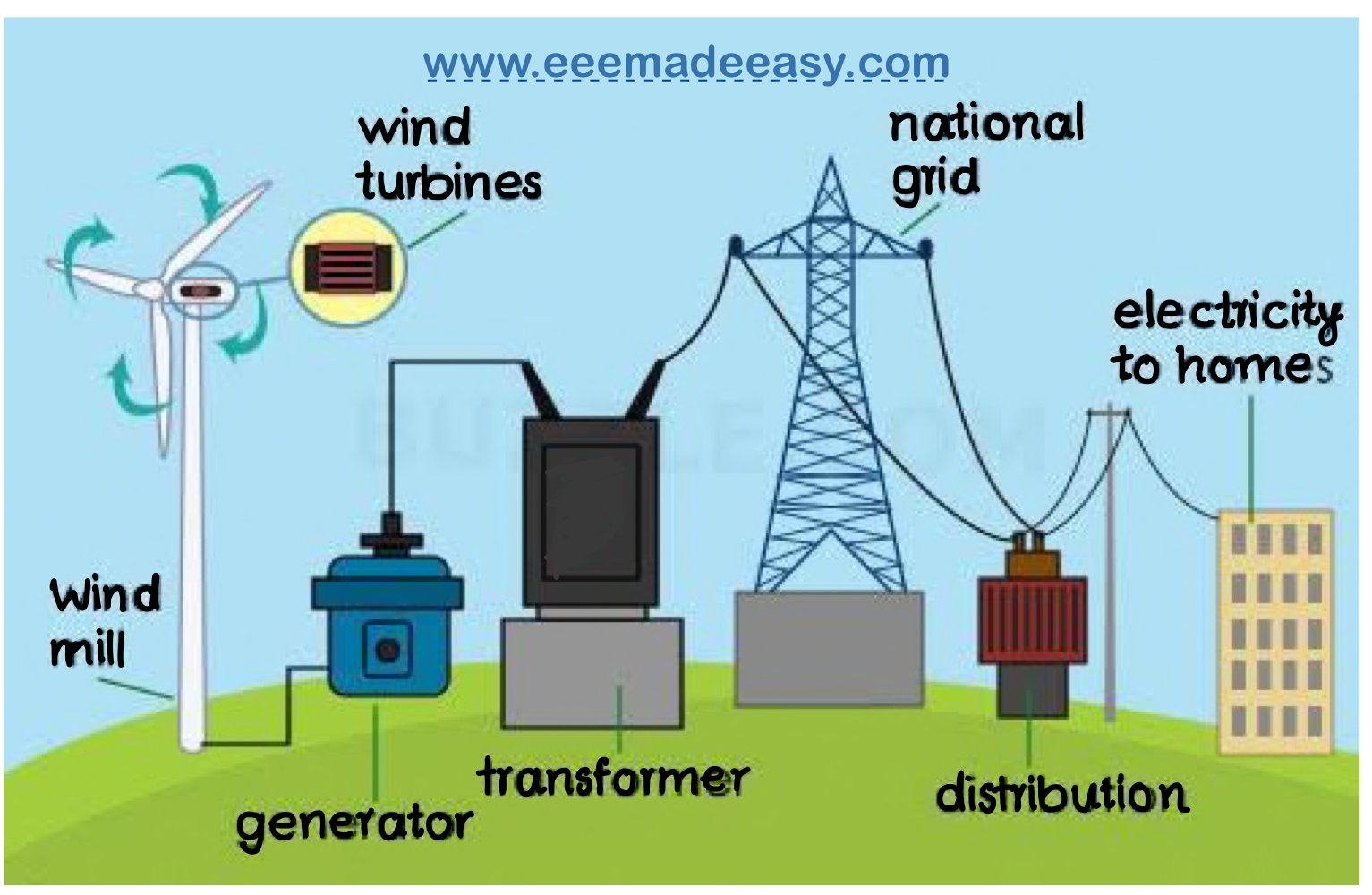
These blades are connected to a central shaft, which in turn is connected to a gearbox inside the turbine's nacelle (that big box at the top). The gearbox increases the rotational speed, kind of like shifting gears in a car. This higher speed is necessary to efficiently power the generator. The generator, using the principles of electromagnetism, converts the mechanical energy of the spinning shaft into electrical energy. It's essentially the same process used in power plants that burn fossil fuels, but instead of steam driving the turbine, it's the wind!

Once the electricity is generated, it flows through cables down the tower to a transformer. The transformer increases the voltage of the electricity so it can be efficiently transmitted over long distances through power lines. Finally, this electricity is fed into the electrical grid, ready to power homes, businesses, and everything in between. Think of it like a highway for electricity, delivering the wind's energy wherever it's needed.
While the basic principle remains the same, there are different types of wind turbines, each suited to different environments and needs. Some are smaller and designed for individual homes or businesses, while others are massive and grouped together in wind farms, generating large amounts of electricity. Regardless of the type, the fundamental process of converting wind energy into electricity remains the same, showcasing the ingenuity of human engineering and our ability to harness the power of nature. The next time you see a wind turbine, you'll know exactly how it's helping to power our world – one breezy rotation at a time! Isn't science amazing?