How Is Electricity Generated In The United States
Alright, gather 'round, folks! Let's talk electricity. You know, that invisible stuff that keeps your phone glued to your hand and your fridge happily humming? Ever wonder where it actually comes from in the good ol' US of A? It's not, like, just magically appearing out of thin air, although sometimes when my electricity bill arrives, it feels like it!
The Grand Turbine Tour (aka Spinning Things Really Fast)
Basically, generating electricity is all about making turbines spin. Think of a turbine as a super-charged, industrial-strength pinwheel. A ridiculously huge, powerful pinwheel. Now, how do we get these bad boys spinning? Well, buckle up, because this is where things get interesting.
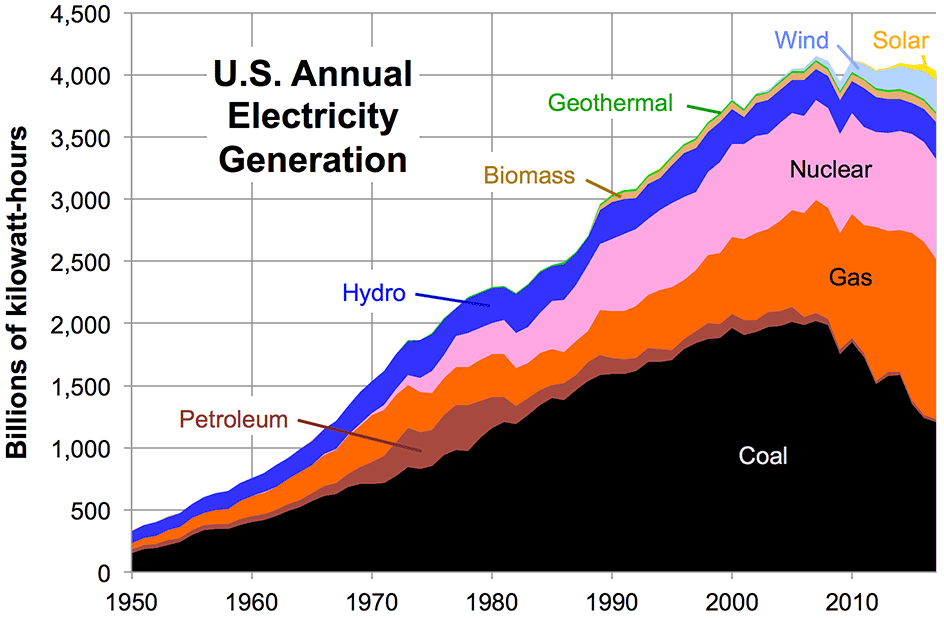
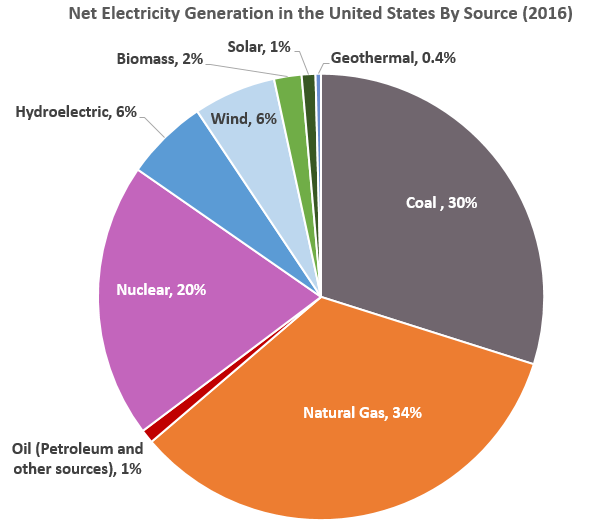
One of the most common ways is using coal. Yes, that black stuff that Santa delivers to naughty children. But instead of causing disappointment, here, it causes... electricity! We burn it, which boils water (because fire + water = science!), which creates steam, and that steam blasts the turbines. Think of it like an extremely angry teapot powering your entire neighborhood. It's a bit like using a dragon's breath to power your toaster.
Must Read
Okay, okay, coal gets a bad rap these days (and rightfully so, it's a bit of a sooty fellow). So, what else have we got? Well, there's natural gas! Burns cleaner, boils water, same turbine tango. Think of it as the environmentally conscious cousin of coal, still causing a party, just a slightly less rowdy one. We dig it out of the ground, burn it, and BAM – electricity. Simple, right?
Harnessing the Elements (Because Mother Nature is a Powerhouse)
Now, let's get to the fun stuff. The ways we snag energy from the environment itself. First up: hydroelectric power. This is where we dam up a river and let the water rush through, spinning turbines like a waterpark ride gone nuclear. It’s a bit like building a giant water wheel, but instead of grinding wheat, we’re grinding out watts! It's clean, it's green(ish, depending on who you ask), and it's pretty darn cool. Imagine all the salmon doing barrel rolls!
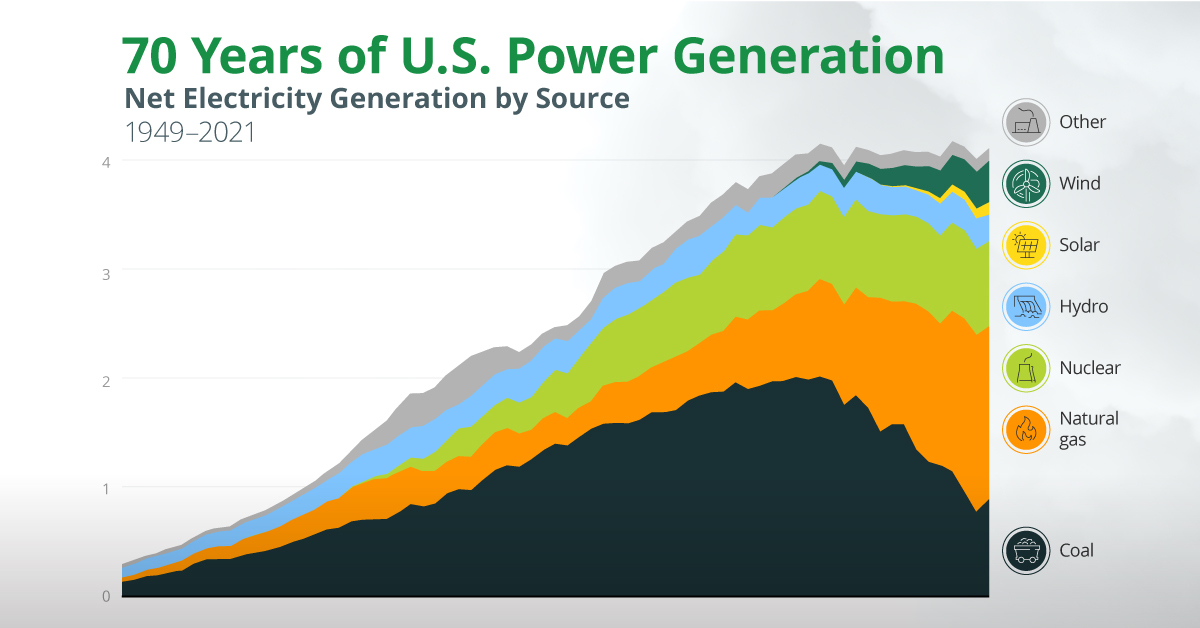
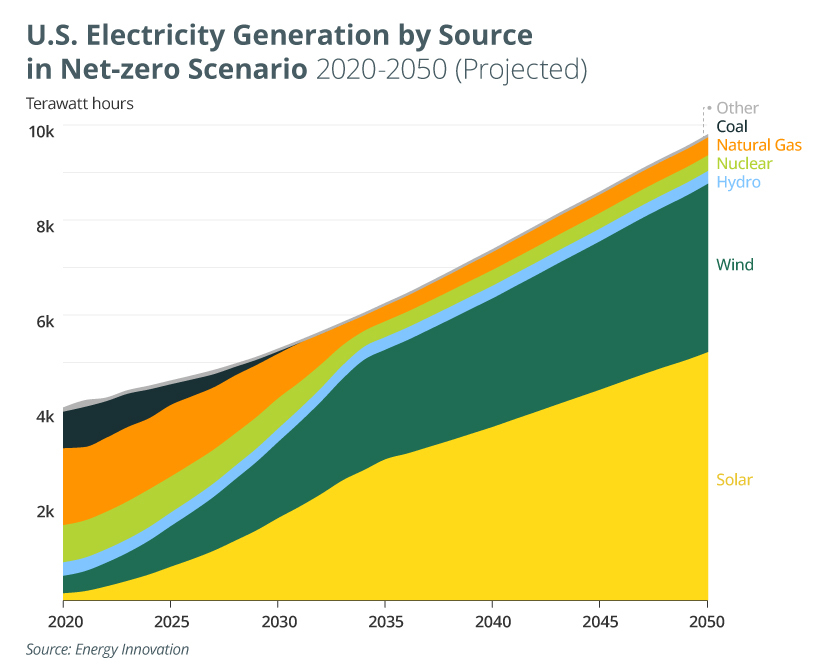
Then we have wind power. Ah, windmills. Those graceful, towering structures that look like giant, elegant robot dancers. They're not just for show, you know! The wind pushes those blades, which spins a turbine, and boom – electricity from thin air! Well, not thin air. More like, "air that's moving really fast." And occasionally making a whooshing sound that drives some people bonkers. It's like having a giant fan powering your television. Genius!
And of course, we can't forget about solar power. This is where those shiny, rectangular panels on your neighbor's roof come into play. They absorb sunlight (that big yellow thing in the sky), and convert it directly into electricity. No turbines involved! It's like photosynthesis for your house. Pretty neat, huh? Think of it as your roof having a permanent sun tan that pays you back.
The Nuclear Option (Not as Scary as it Sounds... Maybe)
Let's not forget about nuclear power. Now, I know what you're thinking: "Radioactive mutants! Meltdowns! Springfield!" But modern nuclear power plants are actually quite safe (with appropriate safety measures, naturally). They use nuclear fission (splitting atoms, fancy!) to generate heat, which boils water, which spins turbines. It's the whole turbine thing again! The key difference? A whole lot of energy from a tiny bit of fuel. Kind of like if a single potato could power your entire city. Okay, maybe not, but you get the idea. Nuclear power provides a significant amount of electricity in the US.
From Power Plant to Your Plug (The Amazing Journey)
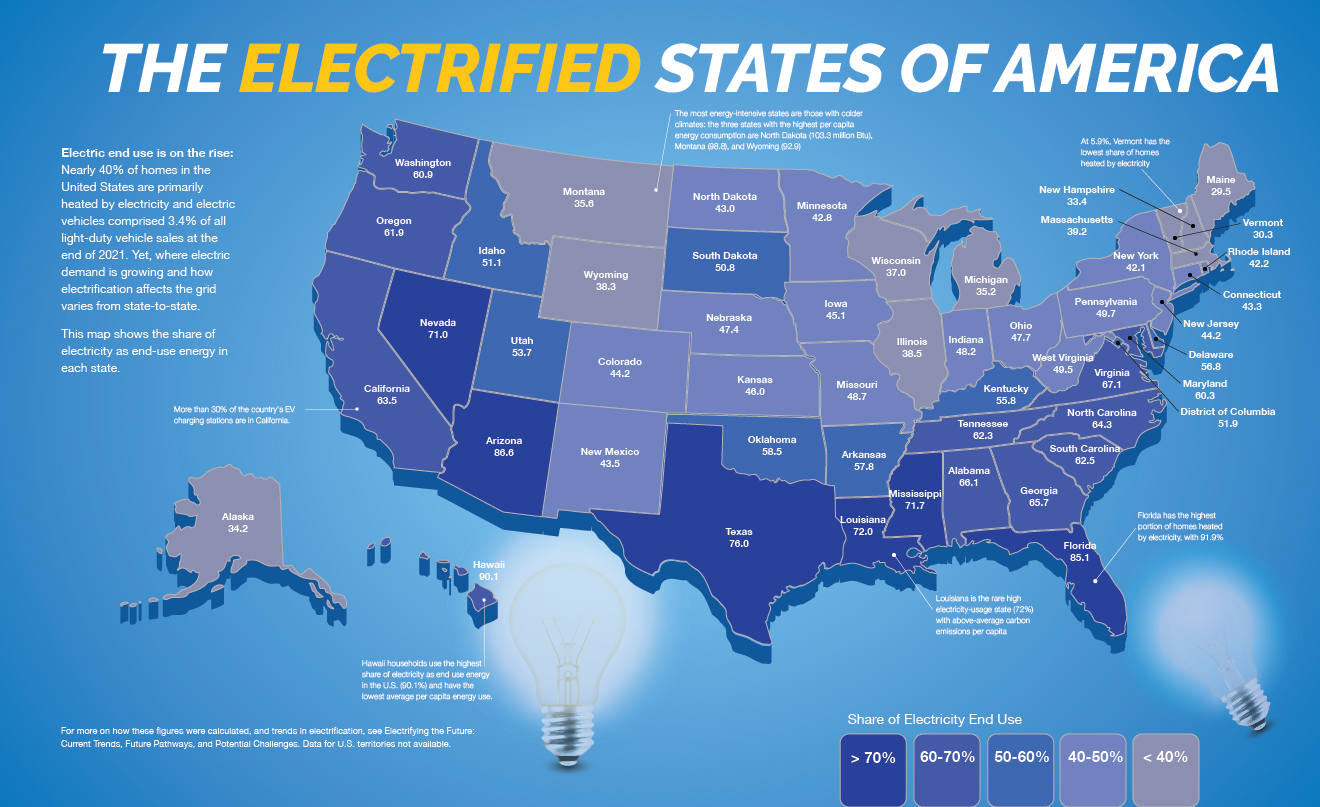
So, we've got turbines spinning, water boiling, atoms splitting, and sunlight soaking. Now what? Well, all that generated power has to get to your house somehow. That's where the electrical grid comes in. Think of it as a super-complicated network of highways for electricity. Power plants pump electricity onto the grid, which travels through high-voltage power lines (those big metal towers you see marching across the landscape), and then gets stepped down to lower voltages before reaching your friendly neighborhood transformer (that metal can on the pole outside your house). And then, finally, it flows into your outlets, ready to power your phone, your TV, your electric toothbrush... you name it!
So, there you have it! A whirlwind tour of how electricity is generated in the USA. It’s a fascinating, complex process, and one that’s constantly evolving as we seek cleaner, more sustainable sources of energy. Now if you'll excuse me, I'm going to go plug in my phone. It's running on fumes, or, you know, electrons.