
How Is Electricity Generated In A Wind Turbine

Ever catch yourself gazing at those graceful giants spinning lazily on the horizon, wondering what's really going on inside? Wind turbines, those modern-day windmills, are more than just picturesque additions to our landscape. They're powerhouses of clean energy, silently converting the breeze into the electricity that fuels our lives. But how exactly does the wind become electricity? Let's demystify the process with a dash of casual curiosity.
The Dance of Blades and Gears
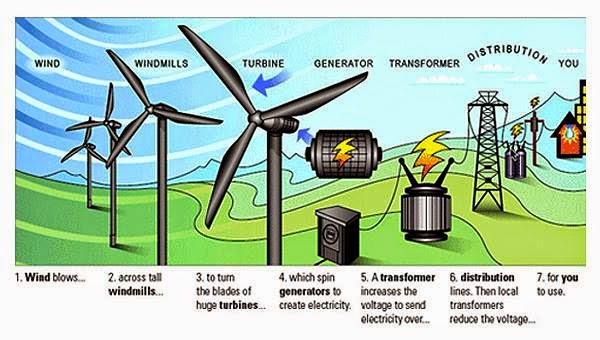
First, picture this: a gentle gust of wind nudging those massive blades into motion. These blades, often aerodynamically designed like aircraft wings, are the key players in this energy ballet. As the wind flows over them, it creates a difference in air pressure, causing the blades to rotate. It's the same principle that allows planes to take flight, only here, the goal is rotation instead of lift.
Think of it like a pinwheel you played with as a kid – the harder you blew, the faster it spun. The same thing happens with wind turbines, but on a much grander scale!
Must Read
This initial rotation isn't powerful enough on its own, though. That's where the magic of the gearbox comes in. Located inside the nacelle (that big housing at the top of the turbine), the gearbox acts like a super-powered transmission. It takes the relatively slow rotation of the blades and dramatically increases it. Imagine shifting gears in a car to go from first to fifth – the gearbox does something similar, boosting the speed to levels suitable for generating electricity.
From Motion to Electricity: Enter the Generator
Now, the rapidly spinning shaft, thanks to the gearbox, is connected to a generator. This is where the real transformation happens. Generators work on the principle of electromagnetic induction. Essentially, they use magnets and coils of wire to convert mechanical energy (the spinning motion) into electrical energy.

Without getting too bogged down in physics (unless you're into that sort of thing!), think of it this way: the spinning shaft inside the generator causes magnets to rotate past coils of wire. This movement of magnets creates an electrical current within the wires. Voila! Electricity is born.
Fun fact: Michael Faraday, the guy who discovered electromagnetic induction back in the 1830s, probably had no idea his discovery would one day power entire cities using the wind!
Getting the Power to You
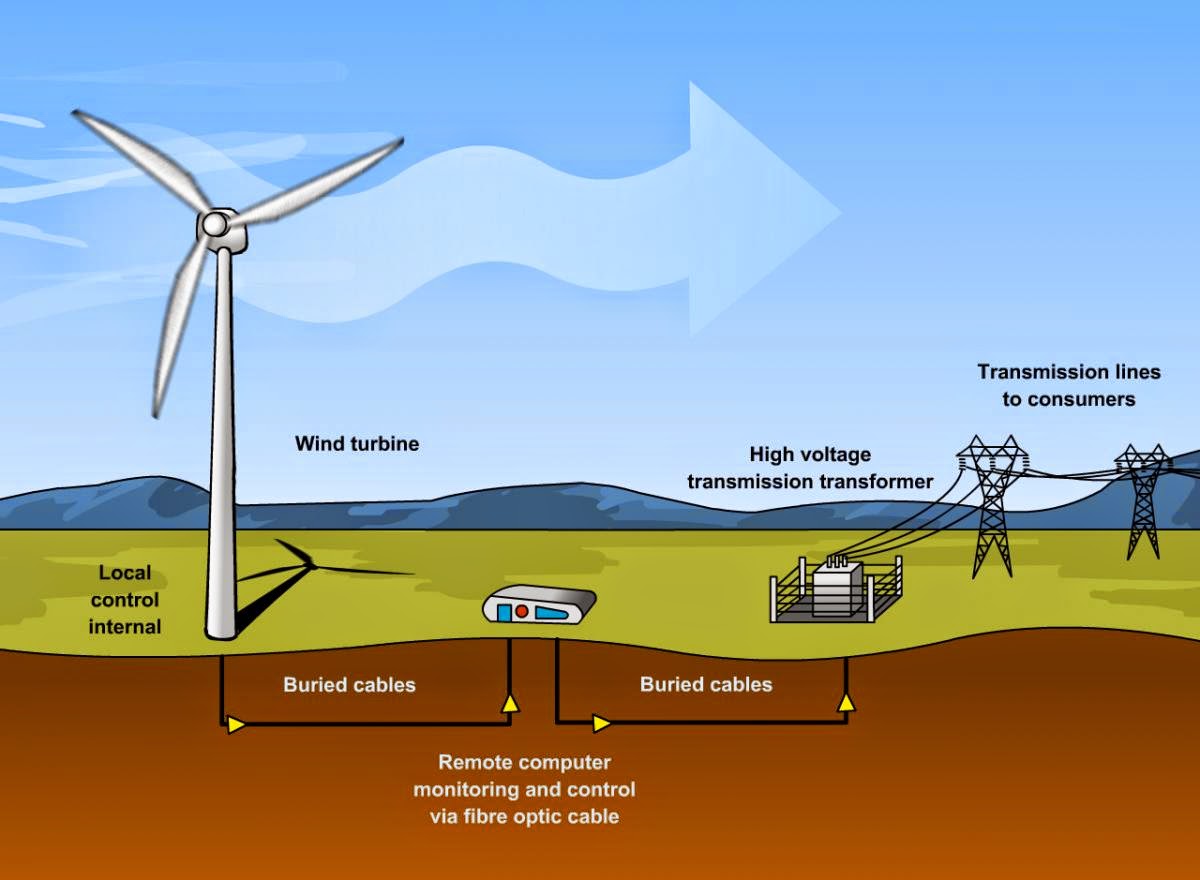
Once the electricity is generated, it needs to be transported to where it's needed. That's the job of transformers and the electrical grid. The electricity produced by the turbine is often at a lower voltage, so transformers are used to "step up" the voltage for efficient transmission over long distances.
Think of it like transporting water – it's more efficient to pump it through a large pipe at high pressure than to trickle it through a small pipe. The same principle applies to electricity. Once the electricity reaches a substation, it's then stepped down to a lower voltage for distribution to homes and businesses.
Tips for Being Wind-Smart (and Green!)
- Support renewable energy: Look for energy providers that source their electricity from renewable sources like wind and solar.
- Conserve energy at home: Simple things like turning off lights when you leave a room, using energy-efficient appliances, and unplugging electronics when not in use can make a big difference.
- Educate yourself: The more you know about renewable energy, the better equipped you are to make informed choices.
As Bob Dylan famously sang, "The answer, my friend, is blowin' in the wind." While he probably wasn't thinking specifically about wind turbines, the sentiment rings true. The wind is a powerful and readily available resource, and wind turbines provide a clean and sustainable way to harness its energy.
So, the next time you see those majestic wind turbines gracefully twirling, remember the amazing journey that wind undergoes – from a gentle breeze to the electricity that powers our homes, charges our phones, and keeps the lights on. It's a reminder that even the simplest forces of nature can be harnessed to create a brighter and more sustainable future.
