
How Is Electricity Generated In A Power Station
Ever wonder where the juice comes from to power your phone, your TV, or even that questionable electric toothbrush you bought on a whim? Yeah, electricity. It's so ingrained in our lives we barely think about it, kind of like that automatic car wash – you just drive in and expect to come out sparkly clean. But someone (or something!) has to do the scrubbing, right?
Well, power stations are the "scrubbers" of the electricity world. They're basically giant energy kitchens, whipping up all the volts and amps we need to keep our world humming. But how do they actually make electricity? It's surprisingly simple at its core, even if the engineering is, well, a little more complicated than boiling water for pasta.
The Core Idea: Spinning is Winning!
Okay, imagine you're at a playground. Remember those roundabouts? (Or maybe you're trying to forget them, because motion sickness. We've all been there!) You push it, it spins, and everyone screams with delight (or terror). That spinning motion is key. Power stations use that same principle, just on a much, much bigger scale. Think roundabout the size of a football field.
Must Read
The magic ingredient is a generator. Inside, there's a giant magnet and a bunch of copper wire coils. When you spin the magnet near the coils, it causes electrons to move – and that, my friends, is electricity! It's like magic, but with a lot more physics.
Now, the question is: How do we get that magnet spinning in the first place?
Different Recipes, Same Result: Spinning the Generator
This is where things get interesting. There are a few different "recipes" power stations use to spin the generator, kind of like how you can make a cake with different ingredients but still end up with cake.
1. The Steamy Situation (Fossil Fuels & Nuclear)
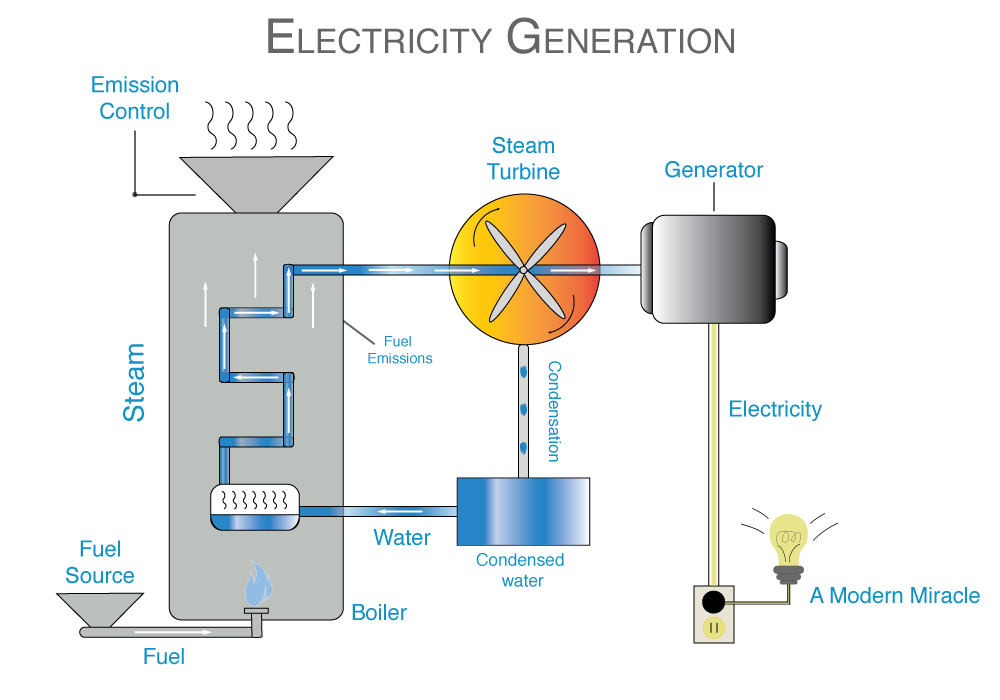
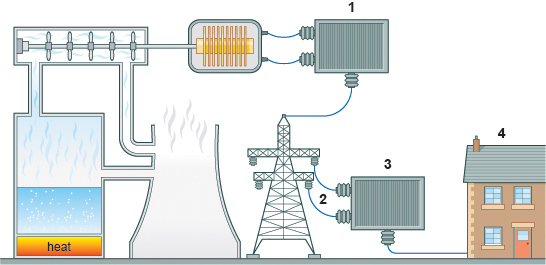
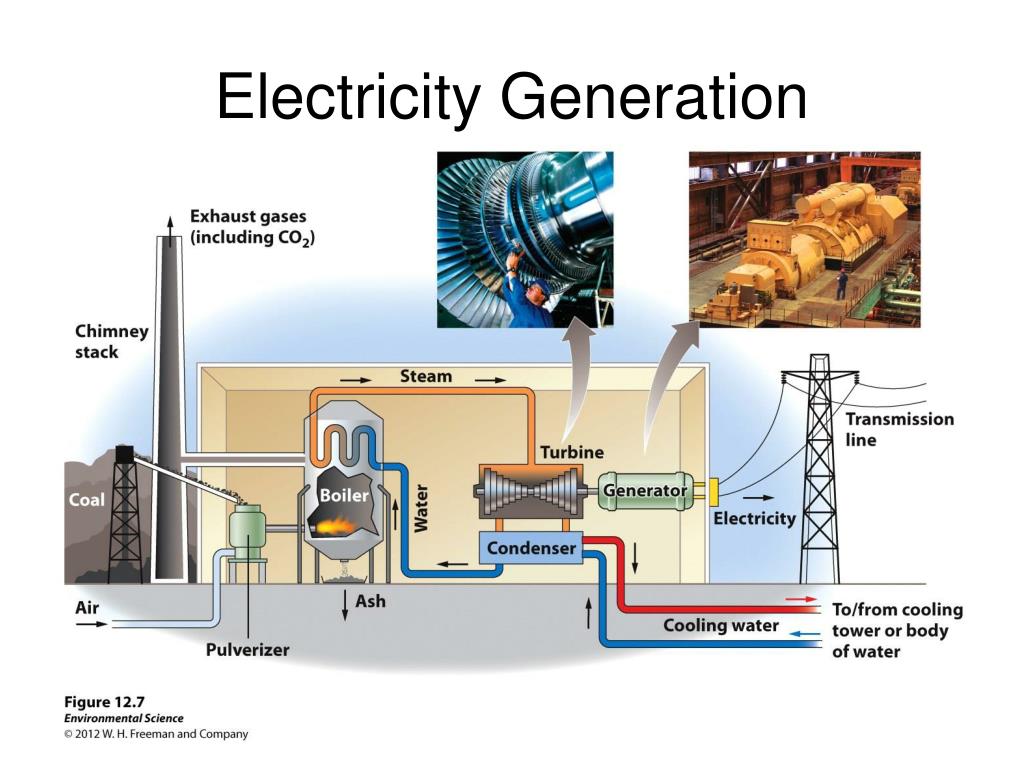
Imagine a massive kettle. That's basically what's happening here. You burn something – coal, natural gas, or even use the heat from splitting atoms in a nuclear reaction – to boil water and create high-pressure steam. This steam then blasts through a turbine, which is basically a giant fan connected to the generator. The turbine spins, the generator spins, and voilà! Electricity!
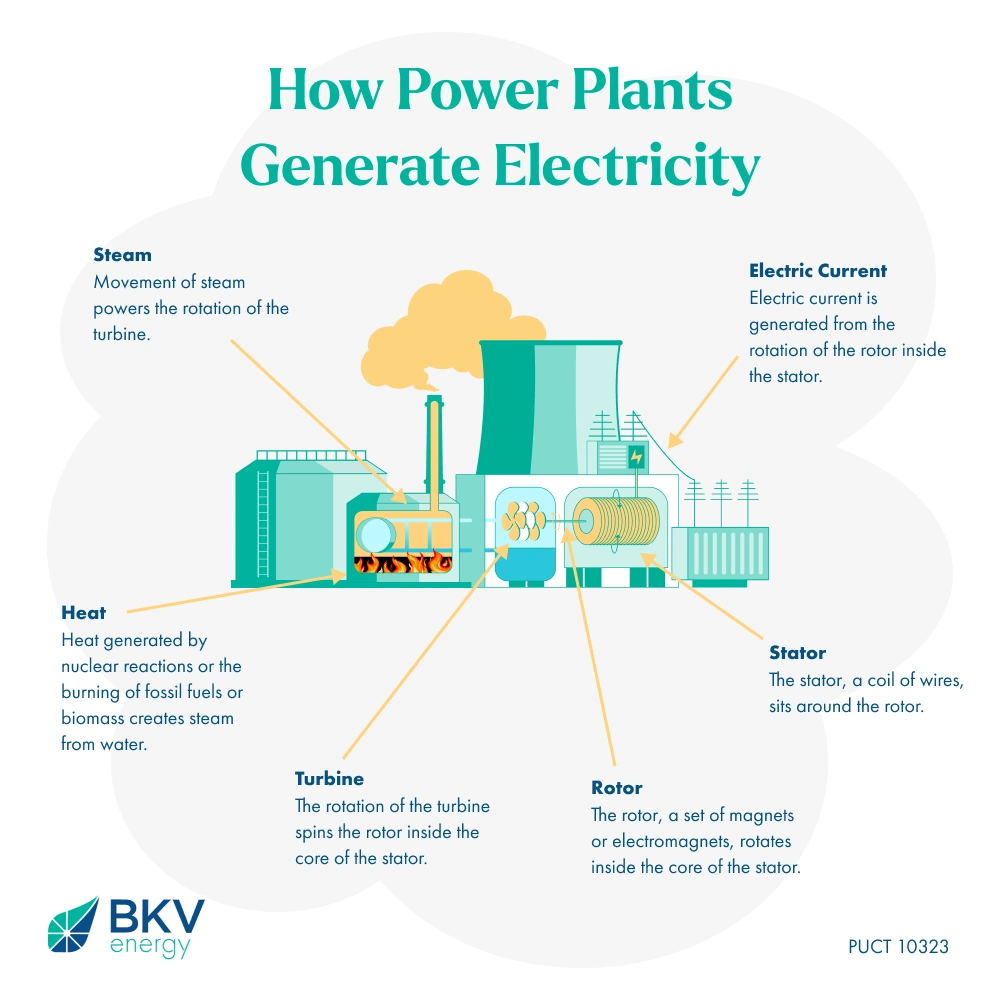
It's like using a super powerful hairdryer to spin a pinwheel, only instead of a pinwheel, it's a multi-ton generator. A hairdryer with a serious attitude!
2. The Water Works (Hydroelectric)
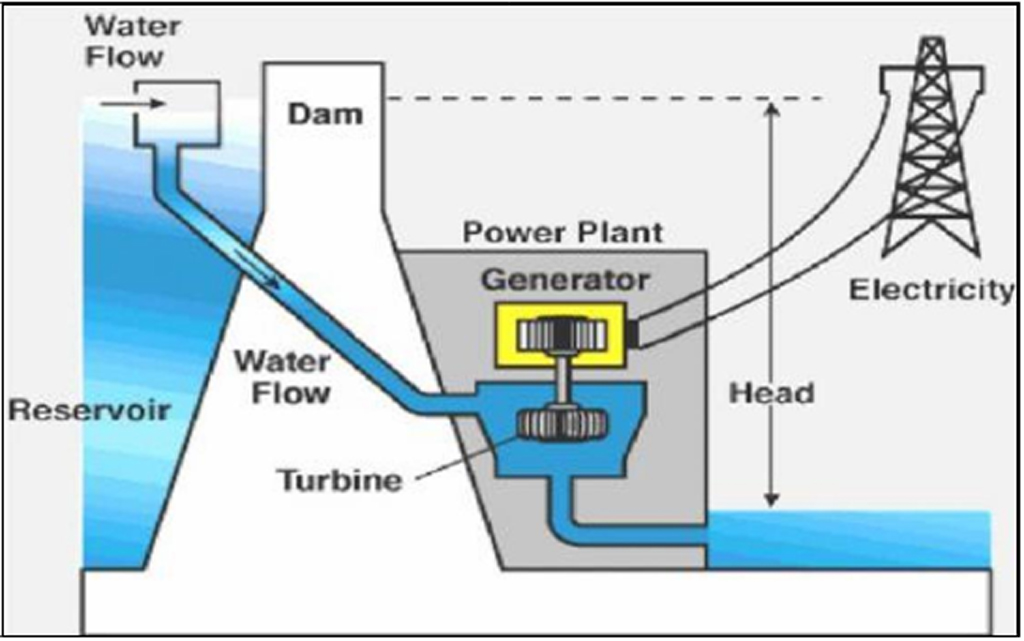
Got a big dam? Perfect! Hydroelectric power stations use the force of falling water to spin the turbine. It's like a water wheel on steroids. The water rushes through, spins the turbine, the generator spins, and…you guessed it, electricity! Think of it like a really intense water slide that powers your house.
3. The Windy Wonders (Wind Power)
Those majestic wind turbines you see dotting the landscape? They’re not just for show! The wind turns the blades, which are connected to a generator inside the turbine's tower. The generator spins, and… electricity! It's like a giant, super-powered weather vane generating clean energy.
4. The Sunny Side Up (Solar Power)
Okay, solar panels work a bit differently. They don't spin anything. Instead, they use a special material that converts sunlight directly into electricity through a process called the photovoltaic effect. Think of it as tiny solar-powered calculators all working together to power your fridge.
From Power Station to Your Plug
So, the power station has spun its generator (or absorbed sunlight), and now it has electricity. But how does that electricity get to your house? That's where power lines come in. They act like super-highways for electrons, carrying the electricity across long distances to substations. Substations then reduce the voltage (think of it like slowing down the traffic on the highway) before sending it to your homes and businesses. Finally, it reaches your plug, ready to power your life.
It's a pretty amazing journey, when you think about it. From burning fossil fuels (or harnessing the wind or sun) to powering your Netflix binge, power stations are the unsung heroes keeping our modern world running. So next time you flip a light switch, take a moment to appreciate the spinning, the steaming, and the sunshine that makes it all possible!