How Is Electricity Generated In A Nuclear Power Station
Ever wondered how that light switch you flick or the phone you're scrolling on actually gets its power? It’s a bit like magic, isn't it? But delve a little deeper, and you'll find that one of the most intriguing ways we generate electricity involves something incredibly tiny yet incredibly powerful: the atom! Understanding how a nuclear power station works isn't just for scientists; it's a fascinating peek behind the curtain of modern life, offering a fun and useful insight into the energy that fuels our world. It's a popular topic too, especially as we talk more about clean energy – knowing the basics helps us all be more informed citizens!
This journey into nuclear power offers something for everyone. For beginners, it brilliantly demystifies a concept often shrouded in complex jargon, showing that the core idea is actually quite simple to grasp. You don't need a physics degree to get it! For families, it's a fantastic conversation starter at the dinner table, sparking curiosity in younger minds about where their PlayStation power comes from, and maybe even inspiring the next generation of engineers. And for the curious hobbyist, it provides a fundamental understanding of a major energy source, perhaps fueling an interest in renewable technologies or even just a deeper appreciation for the ingenious ways we harness nature's power.
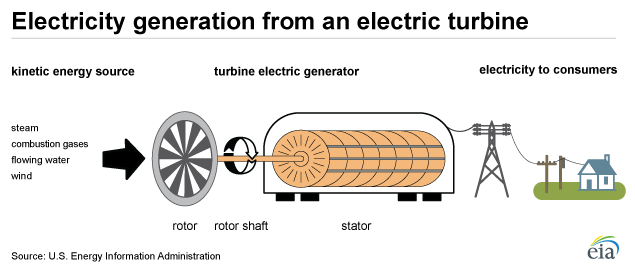
So, how exactly does a nuclear power station turn tiny atoms into enough juice to light up a city? It all starts with a process called nuclear fission. Imagine splitting a single, very special atom – usually uranium. When it splits, it releases a tremendous amount of heat. This heat is then used to boil water, turning it into high-pressure steam, much like a giant kettle on steroids! This superheated steam is then directed towards a massive machine called a turbine. The force of the steam pushes against the turbine's blades, making it spin incredibly fast. Connected to this spinning turbine is a generator, which is essentially a giant magnet and coil of wire. As the generator spins, it creates an electric current – and voilà, you have electricity! After doing its job, the steam is cooled back into water and sent back to be heated again, making the process wonderfully efficient and continuous.
Must Read
While the basic principle is the same, there are variations. Most nuclear power stations today use what are called Pressurized Water Reactors (PWRs), but there are other designs too. Beyond just powering our homes, nuclear technology also powers things like submarines and even spacecraft! Looking to the future, scientists are even exploring nuclear fusion, the process that powers the sun, as an even cleaner and more powerful energy source – truly mind-blowing stuff!
Ready to dive deeper? It's easier than you think! A great first step is to watch some animated videos on YouTube; there are many fantastic explanations that visually break down the process. You could also grab a children's science book on energy, as they often simplify complex topics brilliantly. And if you ever get the chance, visit a science museum – many have interactive exhibits that demonstrate how turbines and generators work. Just remember that core idea: heat from splitting atoms boils water, makes steam, spins a turbine, which then spins a generator to create electricity. It's like a grand, sophisticated version of boiling a kettle to make a little fan spin!
Understanding how nuclear power stations generate electricity is more than just learning facts; it's about gaining a deeper appreciation for the incredible ingenuity that powers our modern world. It’s truly remarkable how we can harness forces at the atomic level to create something so essential to our daily lives. So go on, explore, and enjoy the marvel of nuclear energy!