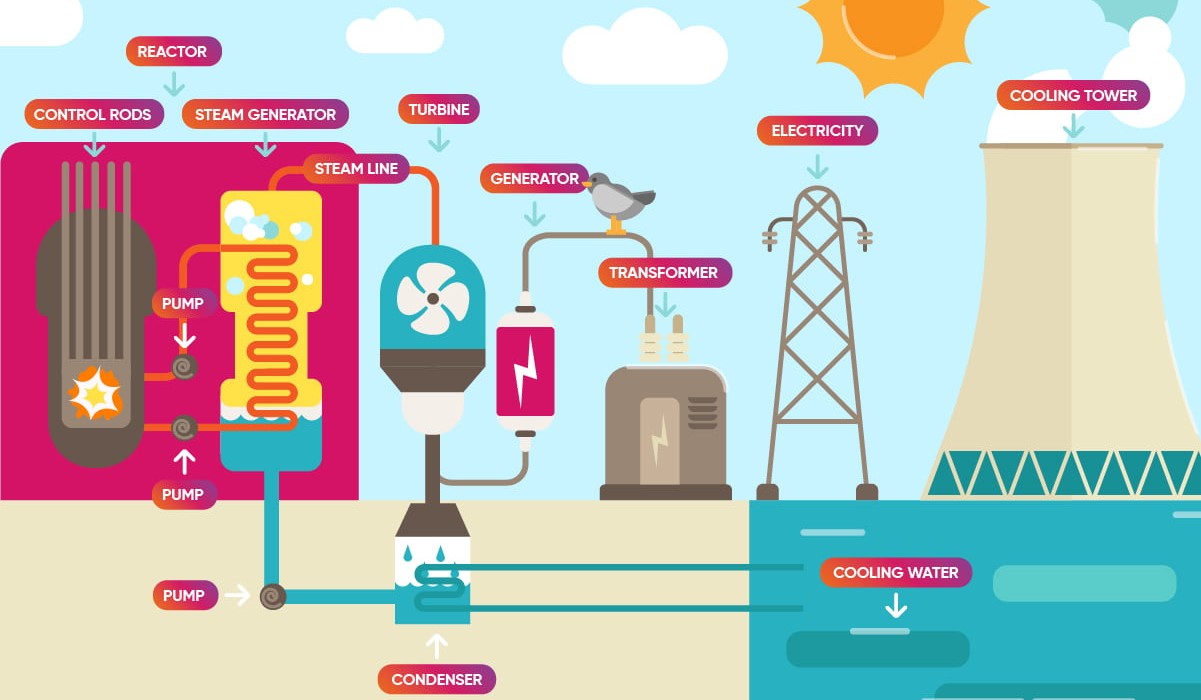
How Is Electricity Generated By Nuclear Power
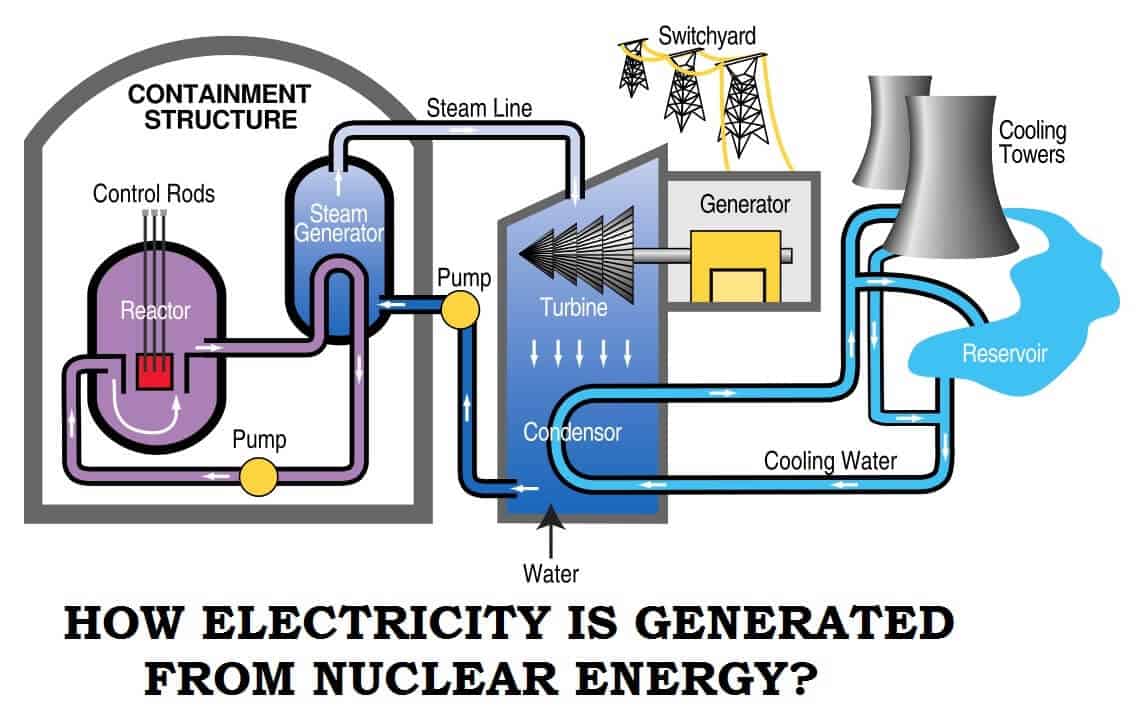
Alright, gather 'round, folks! Let's talk nuclear power! Now, I know what you're thinking: giant mushroom clouds and guys in hazmat suits, right? Relax! It's not quite as dramatic as Hollywood makes it out to be. Think of it more like... really, REALLY intense water heating.
Basically, nuclear power plants are like giant, highly sophisticated tea kettles. They use the heat from splitting atoms – which, let's be honest, sounds WAY cooler than boiling water – to make steam. And that steam, my friends, is where the magic (or, you know, the electricity) happens.
The Atomic Shimmy: Splitting the Atom
So, how do we get this atomic heat, you ask? Well, it all starts with uranium. Uranium is a naturally occurring element that's, shall we say, a bit unstable. It's like that one friend who's always on the verge of a meltdown after too much caffeine. You just gotta poke it the right way!
Must Read
And the "poke," in this case, is a neutron. We fire a neutron at a uranium atom's nucleus, and BAM! Fission! The uranium atom splits into two smaller atoms, releasing a whole bunch of energy in the form of heat AND – get this – more neutrons! It's like a neutron-generating party, and everyone's invited (except, you know, for the original uranium atom, who's now in pieces).
These newly released neutrons then go on to split more uranium atoms, creating a chain reaction. A controlled chain reaction, mind you. We're not trying to blow up the planet here, just make some juice to power your Netflix binges. Think of it like a carefully orchestrated domino effect, not a demolition derby.
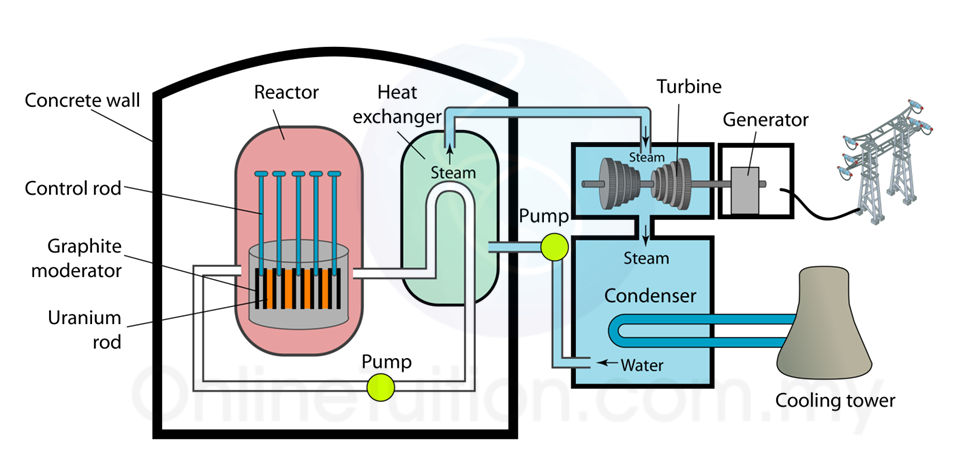
Controlling this chain reaction is crucial. We use control rods, made of materials that absorb neutrons, to regulate the speed of the reaction. Too many neutrons absorbed, and the reaction slows down. Too few, and things get... well, let's just say you wouldn't want to be around. Imagine your microwave running non-stop for a week. That's the kind of heat we're talking about!
From Atomic Heat to Electrifying Power
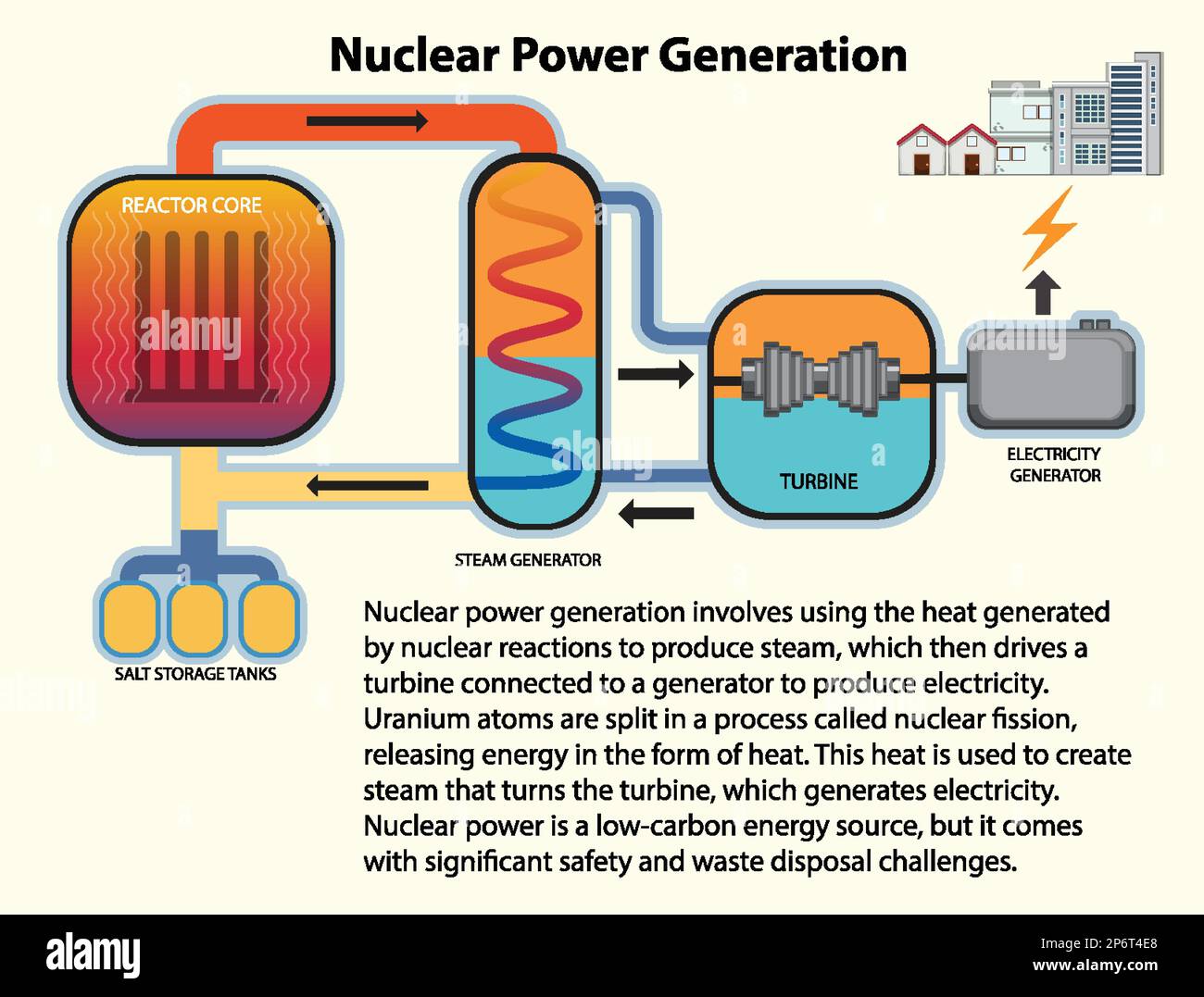
Alright, so we've got our atomic fire blazing. Now what? This intense heat is used to boil water, producing steam. This steam is then directed towards a turbine, which is basically a giant fan connected to a generator.
The steam spins the turbine blades, which in turn spins the generator. And inside the generator, magnets spin around coils of wire, creating an electric current. Voila! Electricity! It’s like a really, really elaborate version of those hand-cranked flashlights you had as a kid, only instead of your arm getting tired, it's the uranium taking a beating.
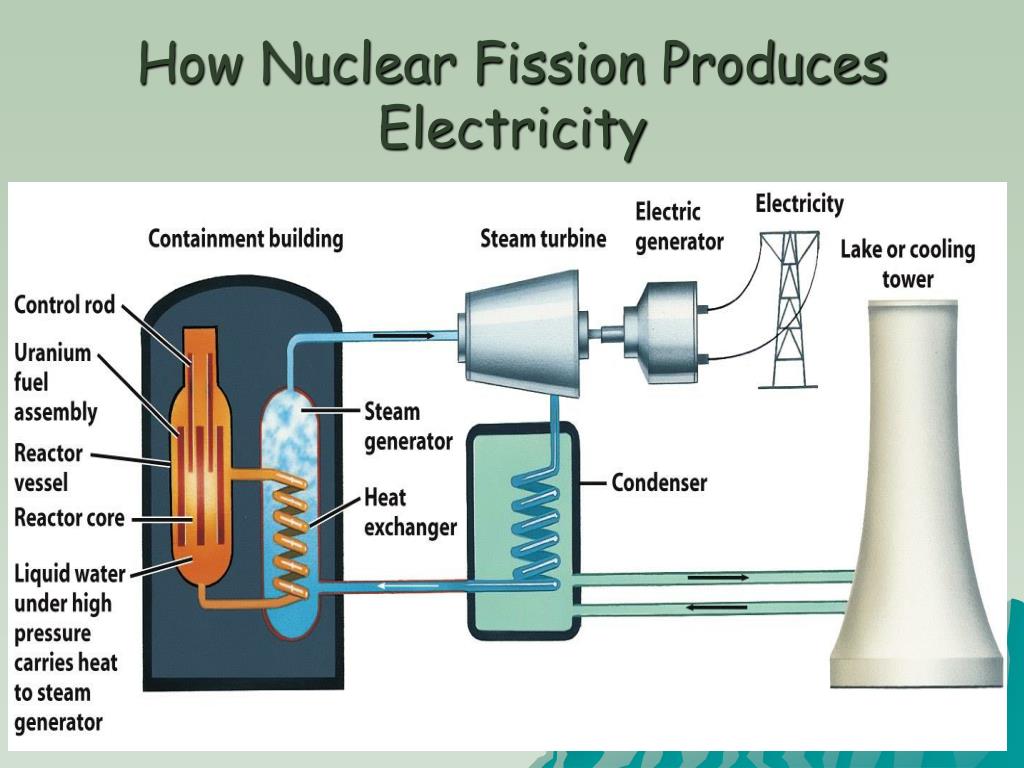
The steam, now having done its job, is then cooled down and condensed back into water. This water is then recycled back to the reactor to be boiled again. It's a closed-loop system, like a tiny, self-contained water park powered by the awesome might of the atom!
But What About the Waste?!
Okay, okay, I know what you're thinking: "But what about all that nasty nuclear waste?" It's a valid concern, and it's one of the biggest challenges facing the nuclear power industry.
The used nuclear fuel is radioactive and needs to be stored safely for a very, very long time. Currently, most of it is stored on-site in specially designed pools of water or dry storage casks. It's not exactly buried in your backyard, okay?
There's a lot of research being done on ways to recycle this nuclear waste, too. Some newer reactor designs can even use the waste as fuel, which is like turning lemons into lemonade... nuclear lemonade! It's a complicated issue, but scientists are working hard to find solutions.
So there you have it! Nuclear power, in a nutshell (or should I say, a uranium fuel pellet?). It's a complex process, but hopefully, I've managed to explain it without making your brain explode (unlike a poorly managed nuclear reactor, hopefully!). Now, if you'll excuse me, I'm going to go boil some water. Just the old-fashioned way, though. No uranium involved... this time.