
How Is Electricity Generated By Fossil Fuels

Ever wonder how your lights magically flicker on with the flick of a switch? Well, a big part of that magic comes from… wait for it… ancient sunshine! That's right, we're talking about electricity generated from fossil fuels.
The "Fossil" Part: Buried Treasure!
Okay, so "fossil fuels" sounds like something Indiana Jones would unearth. In a way, he kind of would! Think of millions of years ago, when dinosaurs roamed and plants grew like they were competing for a prize in the World's Tallest Tree contest.
When these plants and critters died, they got buried under layers of mud and rock. Over eons, intense pressure and heat transformed them into what we know as coal, oil, and natural gas – the fossil fuels!
Must Read
Basically, it’s like Mother Nature made a giant compost pile… and then left it for millions of years. Talk about slow cooking!
The "Fuel" Part: Unleashing the Energy!
Now, how do these ancient leftovers power our modern lives? The secret is in the energy those plants and animals stored from the sun way back when. Fossil fuels are jam-packed with it!
To get that energy out, we burn them! It’s like having a super-powered campfire, except instead of roasting marshmallows, we're making electricity.
Imagine a tiny, invisible sunbeam trapped inside a lump of coal, finally getting its chance to shine (in a roundabout way, of course).
The Power Plant Party: Where the Magic Happens!
This burning bonanza usually takes place in a power plant. Think of it as a giant, whirring, clanking… energy factory!
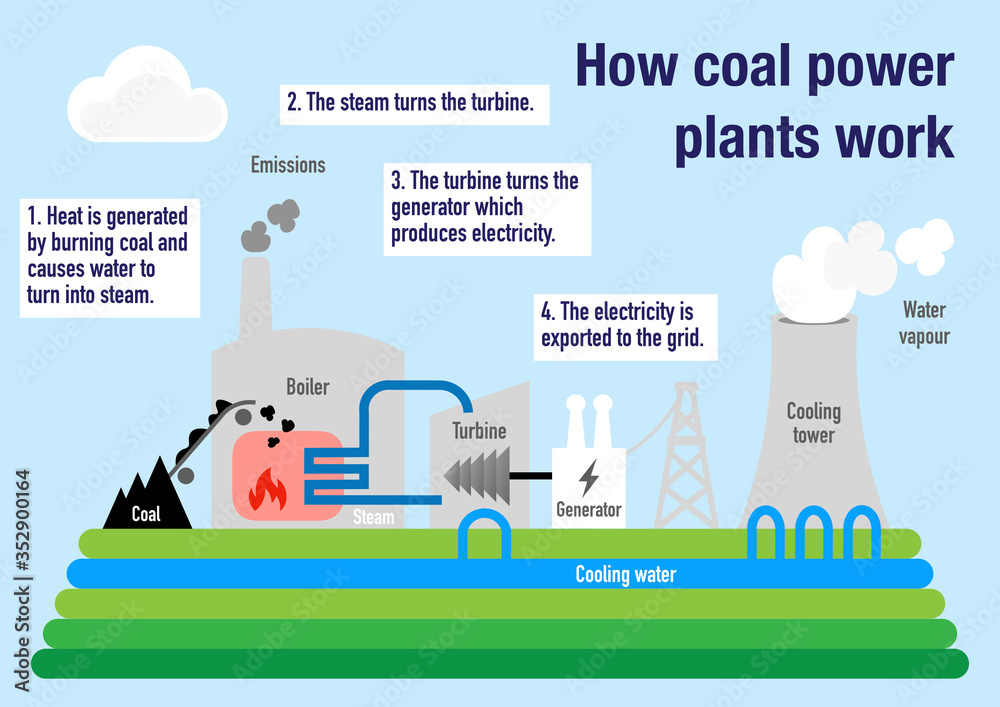
Inside, the burning fossil fuels heat water into steam. This steam is under immense pressure, like a tea kettle about to explode… but in a controlled, very important way.
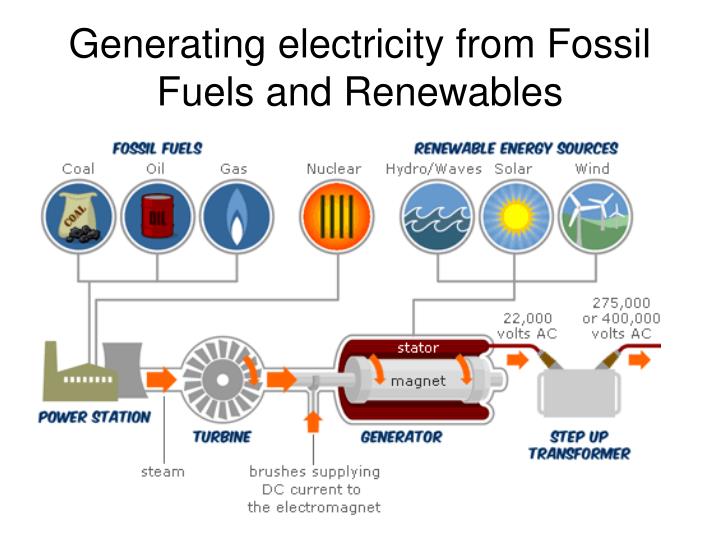
This super-heated steam is then directed to spin a turbine. A turbine is basically a giant fan, but instead of cooling you down, it's connected to a generator.
Turbines: The Spinning Stars of the Show
The turbine spins like a crazy dancer, and this spinning motion is what gets the generator going. Think of it like pedaling a bicycle really, really fast, but instead of moving forward, you're making electricity.
The faster the turbine spins, the more electricity is generated. It’s like the power plant is doing a high-energy jig!
These turbines are truly massive, some as big as houses! Imagine the kind of dance moves a house-sized dancer would have.
Generators: Turning Motion into Magic
Now, the generator is where the real electrical hocus pocus happens. Inside, there are magnets and coils of wire.
As the turbine spins the generator, these magnets spin around the coils of wire, creating an electrical current. It's like waving a magic wand and poof electricity!
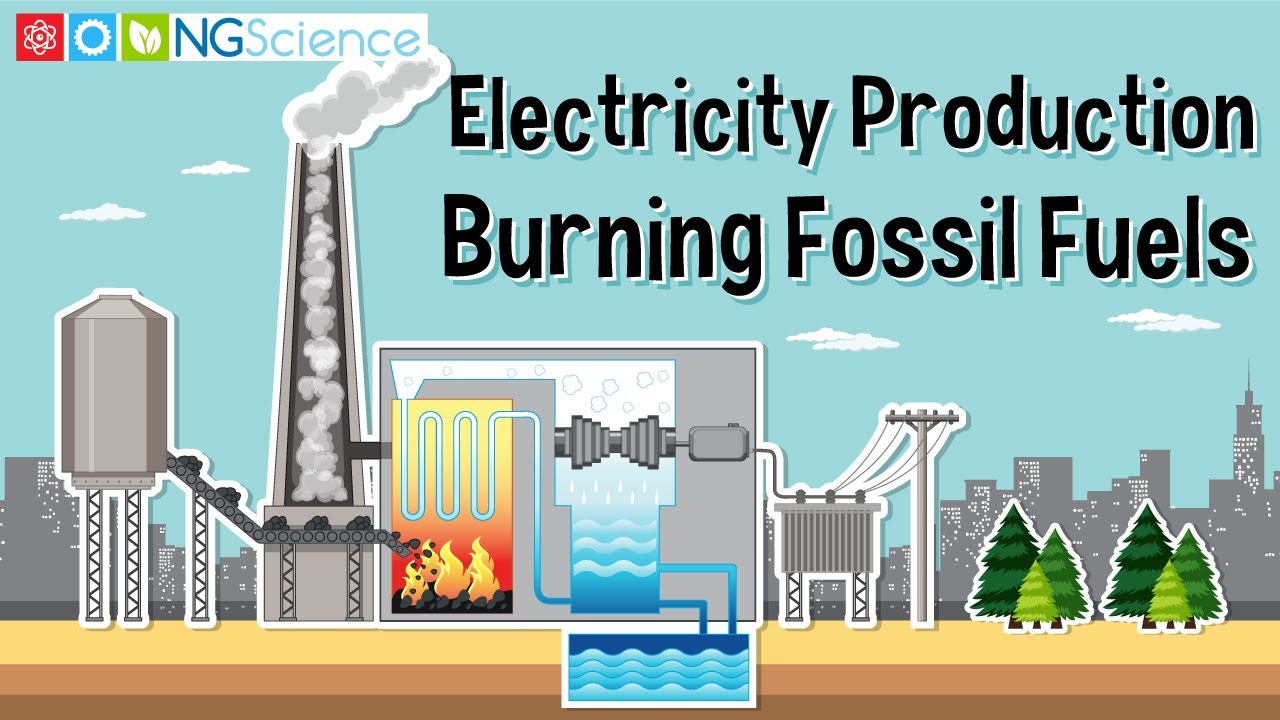
This electrical current is then sent out through power lines to our homes, schools, and businesses.
From Dinosaur Leftovers to Your Lightbulb!
So, there you have it! From ancient sunshine trapped in fossil fuels, to a fiery burning, to spinning turbines and generators, and finally, to the lightbulb above your head!
It's a long and winding road, but that’s how electricity generated by fossil fuels works. Pretty amazing, right?
Just think, the next time you flip a switch, you're tapping into the energy of dinosaurs and prehistoric plants! It's like having a little piece of history powering your life.
A Few More Fun Facts (Because Why Not?)
Different fossil fuels generate different amounts of electricity. Coal is like the dependable workhorse, while natural gas is the speedy sprinter.
Power plants that use fossil fuels are often located near sources of water. This water is used to create the steam that spins the turbines and cool equipment.
There are ongoing efforts to make electricity generation from fossil fuels cleaner. This involves technologies that capture pollutants before they can escape into the atmosphere.
The Future of Energy: Beyond Fossils
While fossil fuels have powered our world for a long time, there's a growing shift towards renewable energy sources. Think solar, wind, and hydro power!
These sources harness the power of the sun, wind, and water to generate electricity in a more sustainable way. It’s like moving from a campfire to a giant solar panel that directly absorbs sunshine.
The future of energy is all about finding cleaner and more efficient ways to power our lives, ensuring a brighter future for everyone.
So, What Did We Learn?
Fossil fuels are ancient plant and animal remains that have been transformed into coal, oil, and natural gas. These fuels are burned to heat water, creating steam.
The steam spins a turbine, which is connected to a generator. The generator converts the spinning motion into electricity. And this electricity is transported through power lines to power our world.
While fossil fuels have been crucial in our history, renewable energy sources are becoming increasingly important for a sustainable future. Knowledge is power, so use it wisely!

Next time you switch on a light, remember the epic journey from ancient sunshine to modern energy. You are literally touching the past!
And remember, exploring the world of energy is a fascinating adventure. Keep learning, keep questioning, and keep exploring!
Who knows, maybe you'll be the one to discover the next big breakthrough in energy technology!
So go forth and be enlightened... electrically enlightened, that is!
It's all thanks to the power of science, a little bit of prehistoric goo, and a whole lot of ingenuity.
Now, if you'll excuse me, I'm going to go charge my phone... powered by a little bit of ancient sunshine, of course!
And maybe roast some marshmallows (responsibly, of course, and nowhere near a power plant!).