Alright, gather 'round, folks, because we're about to dive into one of life's great mysteries. Or, well, one of life's surprisingly un-mysterious mysteries. We’re talking about how that chunky, lumpy, rather unassuming black rock called coal eventually powers your phone, your fridge, and that suspiciously bright light in the bathroom.
And here’s my possibly unpopular opinion, but I dare you to disagree: the whole process of turning coal into energy is basically just a very, very elaborate way to boil water. Seriously. When you break it down, it’s less space-age science and more like a massive, industrial-sized tea party. With lots of steam. And a touch of fire.
Step 1: The Big Squeeze (and Smash!)
First things first, you need the coal. This stuff has been chilling underground for millions of years, slowly turning into this dense, energy-packed rock. It’s pretty impressive, really, how patiently it waited its turn. Once it’s dug up – usually in rather enormous lumps – it needs a bit of a makeover. You can’t just throw a boulder into a fire and expect lightning to strike (unless it's actual lightning, which isn't the goal here).
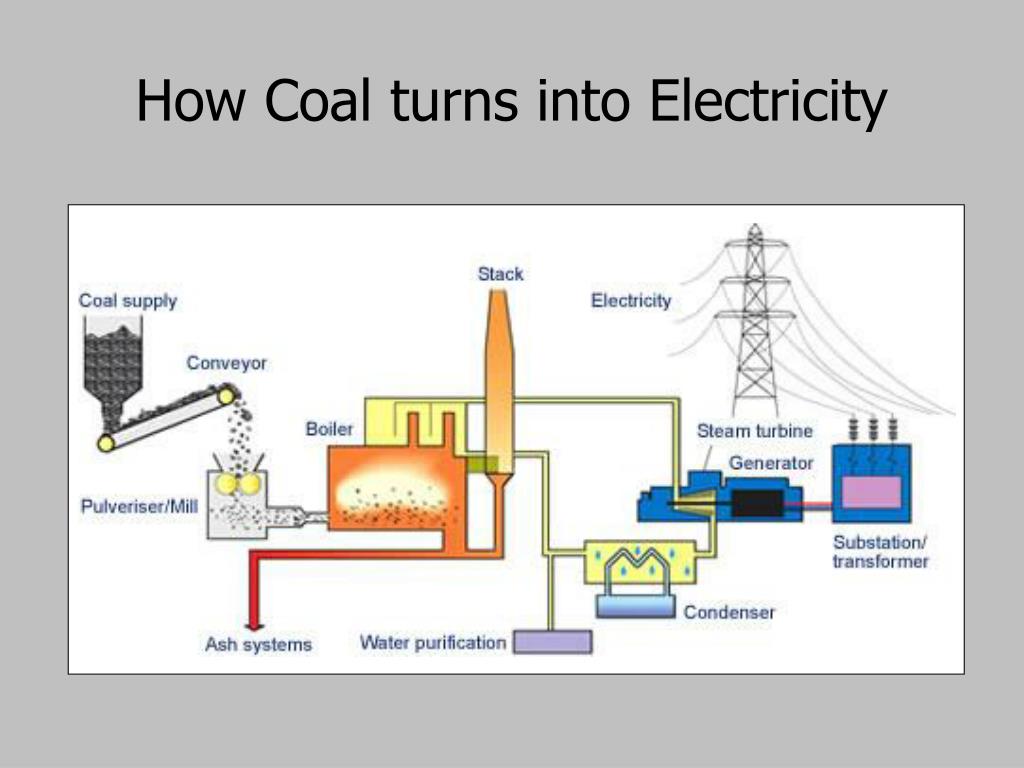
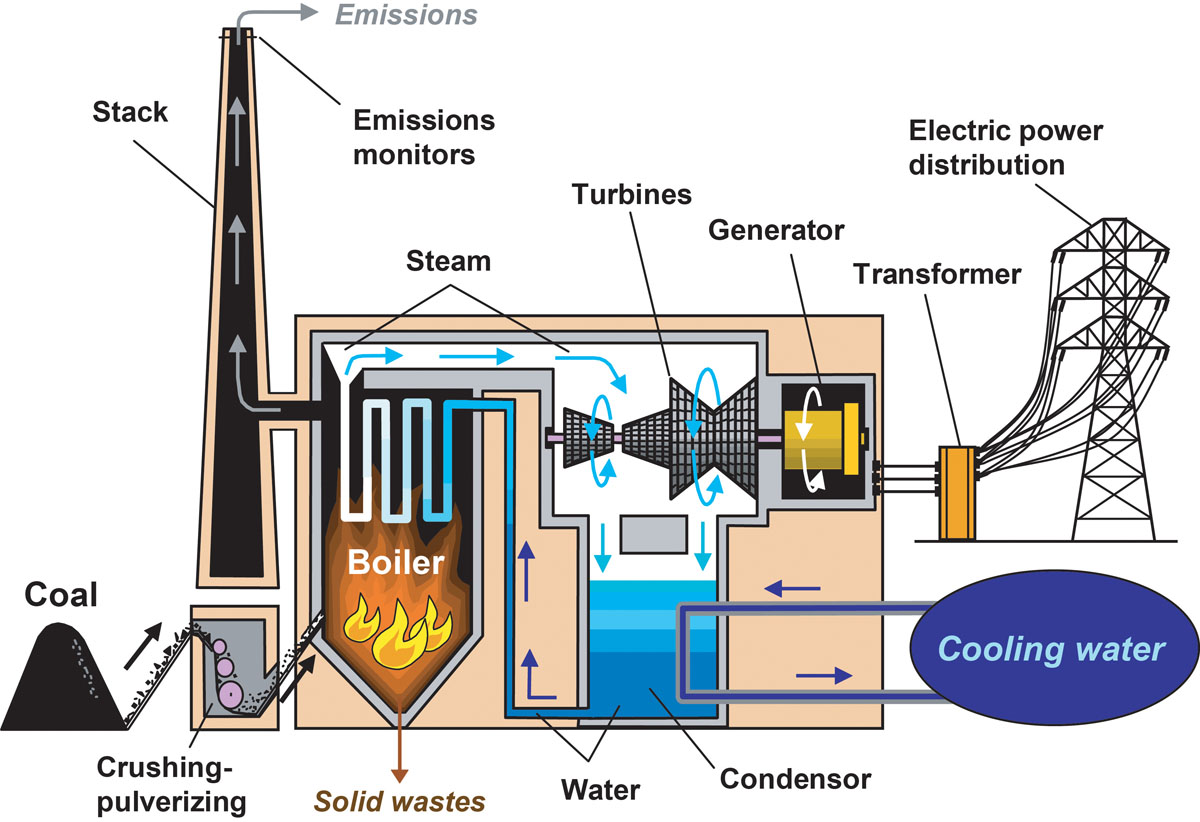
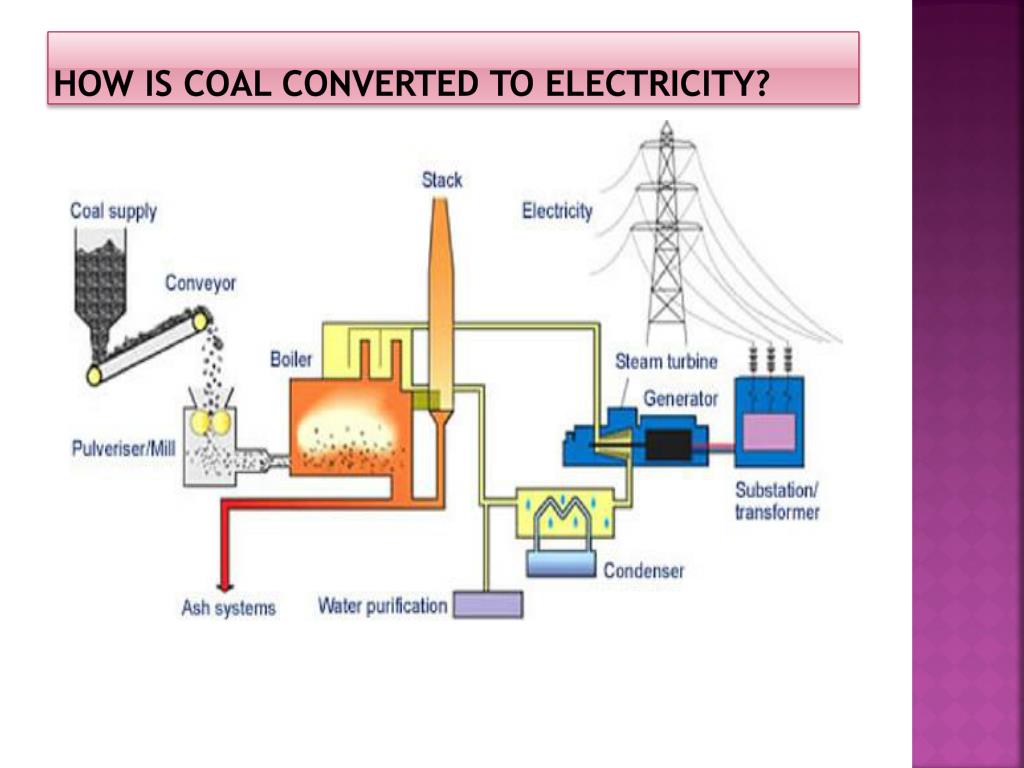
So, what happens? Those big lumps get crunched, crushed, and pulverized into a fine powder. Think of it like grinding coffee beans, but instead of a morning pick-me-up, you're making a whole city hum. This fine powder burns much, much better. It's like giving fire an extra-fancy snack to gobble up.
Fun Fact: That powdery coal dust is so tiny, it burns almost like a gas. Who knew something so ancient could be so… aerosol-y?
Coal for Electricity Generation, Kentucky Geological Survey, University
Step 2: The Hottest Tea Kettle Ever
Now for the main event: the burning. This powdered coal is blown into a giant furnace. And when I say giant, I mean enormous. It’s where the party really kicks off. The coal ignites, and it burns with an incredible, intense heat. We're talking temperatures that would make a dragon feel a bit chilly.
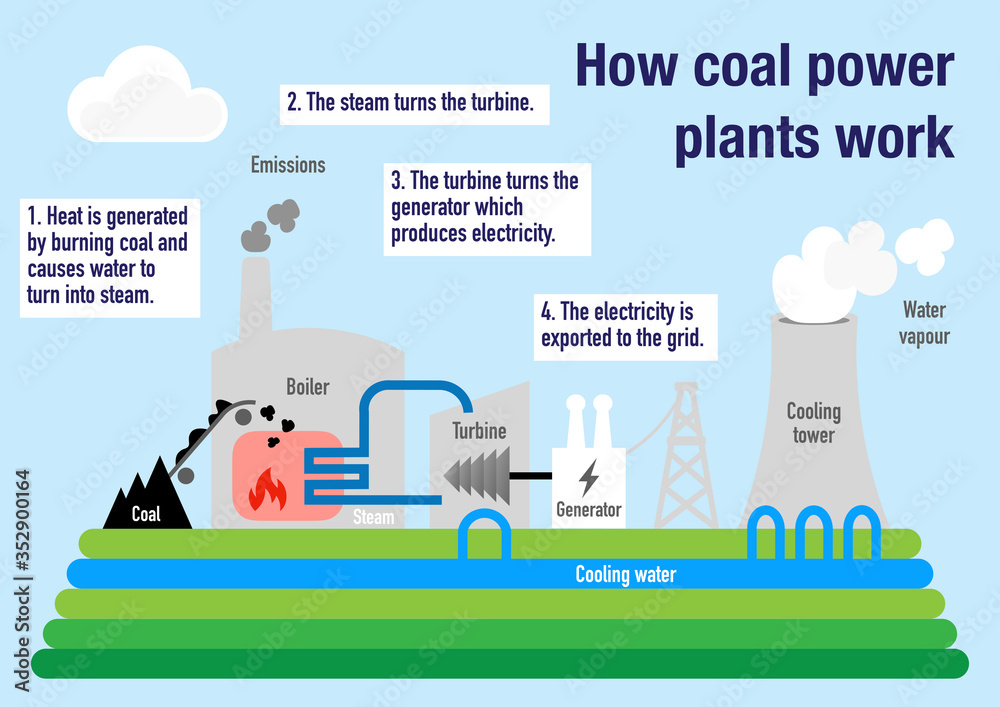
But here’s the kicker, the truly ingenious (or hilariously simple) bit: all that roaring inferno isn't actually making electricity directly. Nope. Its sole purpose, its life's calling, is to heat up something else. And that something else is… water. Lots and lots of water, held in pipes that snake through the furnace.
How Does The Coal Power Plant Work at John Heidt blog
Imagine the biggest, most aggressive tea kettle you’ve ever seen. That’s essentially what’s happening. The super-hot fire boils the water, turning it into super-heated, high-pressure steam. This steam is the real star of the show, my friends. Not the coal. Not even the fire. It’s the steam.
Step 3: The Whirly-Gig Wizardry
So, you’ve got this incredibly powerful steam, rushing around, looking for a job. And boy, does it find one. This steam is directed at a massive machine called a turbine. Now, picture a giant pinwheel, or maybe a super-sized fan. That’s pretty much what a turbine is, but with many layers of specialized blades.
How coal power plant works to produce electricity from fossil fuels
When the high-pressure steam hits these blades, it pushes them. Hard. And what happens when you push a pinwheel? It spins! The turbine starts to spin at an incredibly fast speed. We're talking thousands of revolutions per minute. It’s a magnificent, high-speed dance powered entirely by boiled water.
My Unpopular Opinion Revisited: See? It’s just fancy steam! We’ve turned a rock into boiling water to spin a fan. Humanity, you genius, you.
How Fossil Fuels Are Formed - Instructables
Step 4: Ta-Da! Electricity!
Now, this spinning turbine isn't just showing off its impressive moves. It's connected to another crucial piece of equipment: the generator. Think of a generator like a super-powered bicycle dynamo, the kind that makes your bike light glow when you pedal. But instead of your legs, it's the furiously spinning turbine providing the power.
Inside the generator, spinning magnets interact with coils of wire. This interaction, through the magic of physics (which we won't get into right now, because frankly, it sounds complicated), creates an electric current. And just like that, poof! Electricity is born. It's then sent out through power lines, making its way to your humble abode, ready to charge your devices or make toast.
So, the next time your lights flicker on, or your coffee machine whirs to life, take a moment to appreciate the journey. From an ancient rock to a fine powder, into a fiery furnace boiling water, pushing a giant fan, and finally, sparking life into your gadgets. It’s a journey that, at its heart, is surprisingly simple. A really, really big tea party. With an awesome spinning bit. And maybe, just maybe, you'll agree with me that it’s all just a grand old boil.