
How Is Anthracite Produced From Bituminous Coal
Ever wondered about that super-shiny, almost metallic-looking coal called anthracite? It's not just any lump of rock; it's the Rolls Royce of coals, known for its high carbon content, clean burn, and serious heating power. But how does your average, run-of-the-mill bituminous coal transform into this premium fuel source? Let’s dig in (pun intended!).
The Pressure Cooker of the Earth: Metamorphism 101
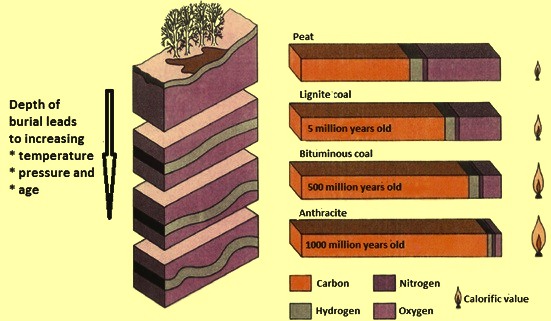
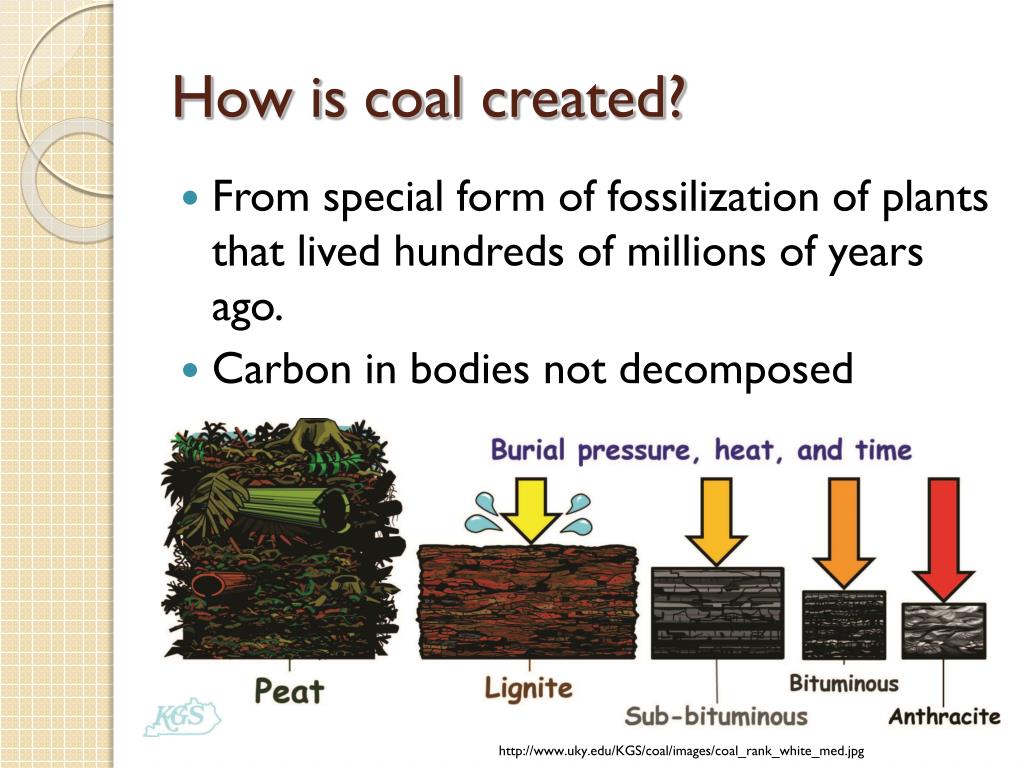
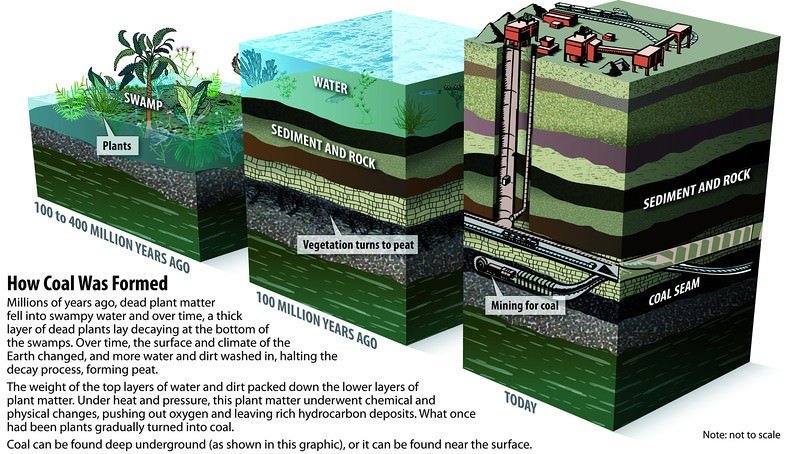
Forget your Instant Pot; we're talking geological timescales here! The magic behind anthracite production is a process called metamorphism. Think of it like this: bituminous coal, already a product of compressed plant matter over millions of years, gets another round of extreme pressure and heat. It’s like sending a diamond through another round of polishing – the result is something significantly more refined.
Bituminous coal, with its relatively high volatile matter and lower carbon content compared to anthracite, finds itself subjected to intense geological forces. This can happen during mountain-building events (imagine the Appalachian Mountains being formed!), volcanic activity, or even just being buried incredibly deep under layers of sediment.
Must Read
Practical Tip: While you can't replicate the Earth's metamorphic processes in your backyard, understanding this natural transformation reminds us of the power of patience. Just like a perfectly aged wine or a well-crafted leather bag, anthracite takes time to develop its unique qualities.
Cooking Up a Cleaner Fuel: What Actually Happens
So, what exactly is going on at a molecular level? Under intense pressure (think thousands of atmospheres – enough to crush a car!), and temperatures ranging from 200°C to 300°C (392°F to 572°F), the volatile matter in the bituminous coal—things like water, oxygen, and hydrogen—is gradually squeezed out. This process, known as devolatilization, leaves behind a higher concentration of pure carbon.

The carbon atoms then rearrange themselves into a more ordered and stable structure. This is key! It’s what gives anthracite its characteristic hardness, density, and that beautiful, almost glassy sheen. It's like organizing a chaotic room – each item finds its place, resulting in a more efficient and aesthetically pleasing space.
Fun Fact: The word "anthracite" comes from the Greek word "anthrakites," meaning "coal-like." Pretty straightforward, right? But the properties of anthracite are anything but ordinary.

The Grade Expectations: Measuring the Metamorphic Transformation
Not all anthracite is created equal. Geologists use various parameters to classify the “grade” of anthracite. These include the fixed carbon content (the higher, the better), the volatile matter content (the lower, the better), and the moisture content. Other factors include its hardness and how it reflects light.
Think of it like grading diamonds: cut, clarity, carat, and color all play a role. Similarly, the characteristics of anthracite determine its quality and suitability for different applications.
Cultural Reference: Anthracite played a significant role in the Industrial Revolution, fueling steam engines and heating homes. The rise of anthracite mining towns is a fascinating chapter in history, often depicted in literature and film.
From Mines to Markets: Where to Find Anthracite
While bituminous coal is found in many parts of the world, anthracite deposits are less common. Major sources include Pennsylvania in the United States, Russia, China, and Vietnam. These regions experienced the specific geological conditions necessary for the long, slow metamorphic process to occur.
Practical Tip: If you're considering using anthracite for home heating, make sure you have the right equipment. Anthracite requires specialized stoves and furnaces designed to handle its high heat output and unique burning characteristics.
Reflections in Carbon: Connecting the Dots
The transformation of bituminous coal into anthracite is a powerful reminder of the forces that shape our planet over vast stretches of time. It also illustrates the beauty of natural processes, where pressure and time can refine and enhance even the most ordinary materials.
Just like anthracite, we, too, are constantly being shaped by the pressures and experiences of our lives. Embrace the challenges, learn from the process, and remember that even under pressure, there's always the potential for remarkable transformation.