
How Is A Cyclone Different From A Hurricane

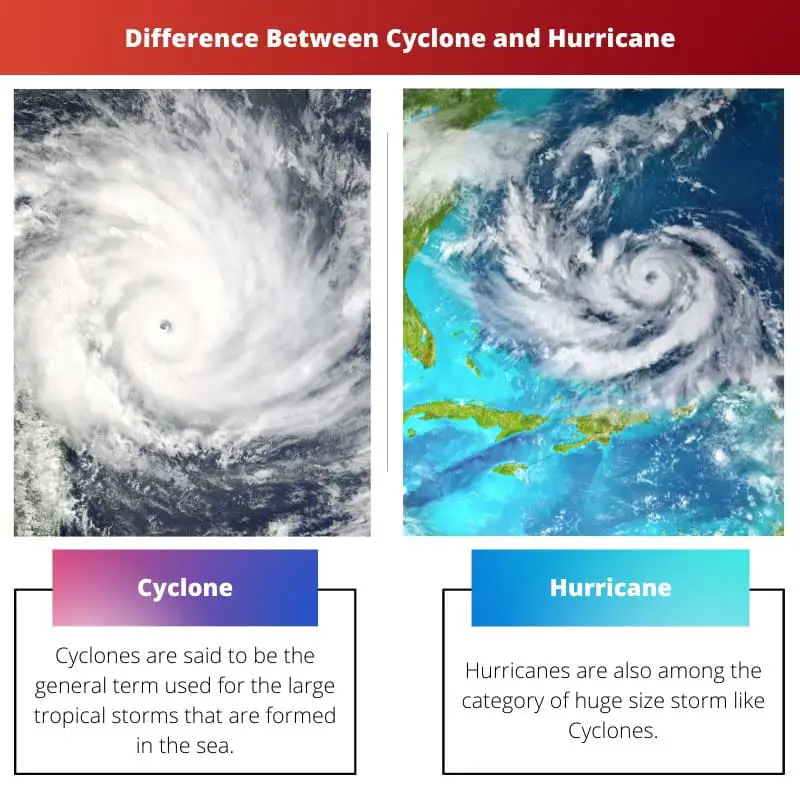
Okay, so you're probably sitting there thinking, "Cyclones, hurricanes... aren't they basically the same thing?" Well, kinda! Think of it like this: they're both super dramatic weather events, but they're rocking slightly different outfits depending on where they're partying.
Let's break it down, shall we? Grab your coffee (or tea, no judgement!), and let's get storm-smart.
Location, Location, Location!
The biggest difference, hands down, is where these spinning dervishes form. It's all about geography, baby!
Must Read
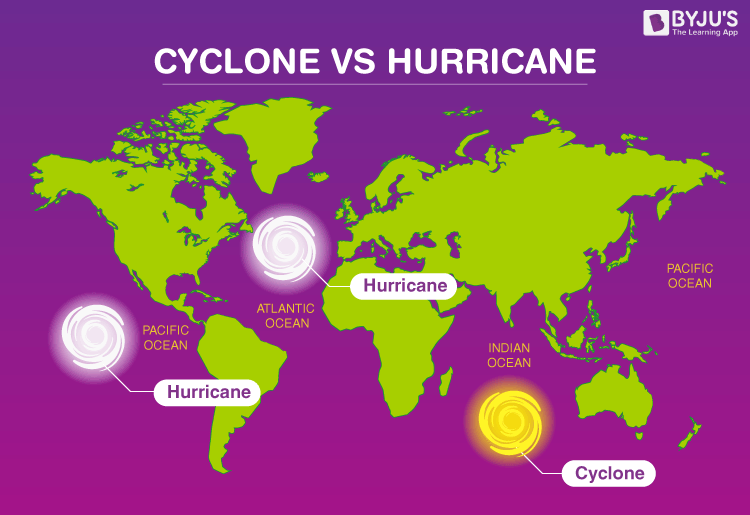
Hurricanes are the divas of the North Atlantic and Northeast Pacific Oceans. Think Florida getting a little too breezy, or maybe Mexico deciding to do the cha-cha with some high winds. You know, typical hurricane behaviour!
Cyclones, on the other hand, prefer the South Pacific and Indian Ocean. Australia saying "G'day!" to gale-force winds? That's probably a cyclone saying hello. India bracing for impact? Cyclone again! See the pattern?
So, basically, same storm, different hemisphere. They just like to travel and experience new cultures (of destruction!).
What's In A Name? Quite A Lot, Actually!
The names themselves are more than just fancy labels; they're regional identifiers. Imagine if we called all dogs "Fidos" – chaos, right?
Different weather organizations are responsible for naming these storms, depending on where they're brewing. They've got whole committees dedicated to picking out these names – can you imagine being on that committee? "Okay, Brenda, your turn! Suggest a name that screams 'impending doom!'"
And let's be honest, some names are definitely scarier than others. I mean, "Hurricane Fluffy" just doesn't have the same ring as "Hurricane Destroyer," does it?

The Nitty-Gritty: Same Stormy Core
Okay, so they're named differently and hang out in different places, but fundamentally, hurricanes and cyclones are the same beast. They're both massive, swirling storms with:
- Low pressure centers (the eye – eerily calm, right?).
- Strong winds (enough to send your garden gnome flying across the street!).
- Heavy rainfall (think biblical proportions... seriously!).
They're powered by warm, moist air, which is why they tend to form over tropical waters. Basically, warm water is like their energy drink. Gotta stay hydrated while tearing up the place, you know?
Intensity: How Much Damage Are We Talking About?
While the core mechanics are similar, the intensity of these storms can vary wildly. We measure them using scales like the Saffir-Simpson Hurricane Wind Scale (for hurricanes, obviously) and similar systems in other regions.

These scales categorize storms based on their sustained wind speeds, giving us a general idea of the potential damage. Category 1? Some tree branches down. Category 5? Entire towns being wiped off the map. Yikes!
It's worth noting that even a "weak" cyclone or hurricane can still cause significant flooding and damage, so always take these warnings seriously.
In a Nutshell (or a Hurricane's Eye...)
So, there you have it! Hurricanes and cyclones are essentially the same type of storm, just hanging out in different parts of the world and going by different names.
Think of it like ordering pizza: you might call it a "pizza" in New York, but in Italy, they might call it a "pizza." (Okay, maybe not the best analogy, but you get the idea!)
The important thing is to be aware of the potential risks in your area and to follow the advice of local authorities during severe weather events. Stay safe out there, friends!
Now, who wants another cup of coffee?