How Is A Ceiling Fan Measured
Ever wondered about the unsung hero of home comfort, quietly (or sometimes not-so-quietly, if it's an old one!) spinning above your head? We're talking about the humble, yet mighty, ceiling fan. It’s more than just a spinning contraption; it’s a vital element in climate control, energy efficiency, and let's face it, a stylish statement. But when it comes to choosing or talking about one, how exactly do we measure it? Is it like a pizza, from crust to crust? Or something more intricate? Let’s demystify the art of ceiling fan measurement, making it as breezy as the air they create!
The Star of the Show: Blade Span (or Diameter)
When someone asks "How big is your ceiling fan?", they're almost always referring to its blade span, also known as its diameter. This is the most crucial measurement because it dictates how much air your fan can effectively move and, therefore, what size room it's best suited for. Think of it as the fan's wingspan.
How to measure it:
Must Read
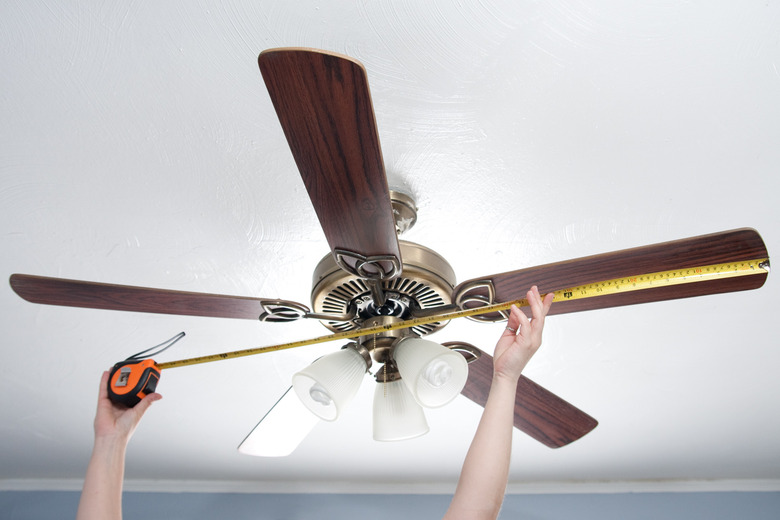
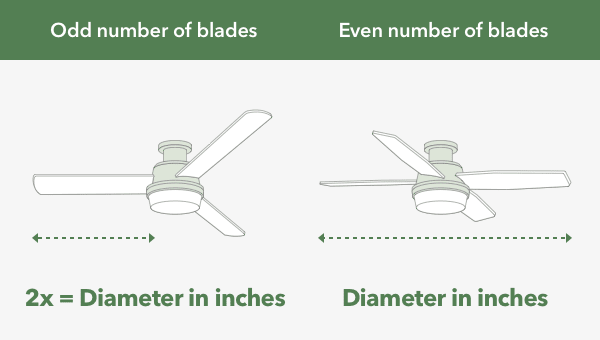
- If your fan has an even number of blades (2, 4, 6, etc.), measuring is simple. Just grab a tape measure and stretch it from the tip of one blade to the tip of the opposite blade. Make sure to go straight across the center motor housing. That's your blade span!
- For fans with an odd number of blades (3, 5, 7, etc.), it's a tiny bit trickier but still super easy. Measure from the center of the fan's motor housing to the tip of one blade. Once you have that measurement, simply multiply it by two. Voila! You have the full blade span.
Beyond the Blades: Other Key Dimensions
While blade span gets all the glory, there are a few other measurements that are super helpful to know, especially when you're installing a new fan or just curious about its fit and function.
The Downrod Dilemma: How Low Can It Go?
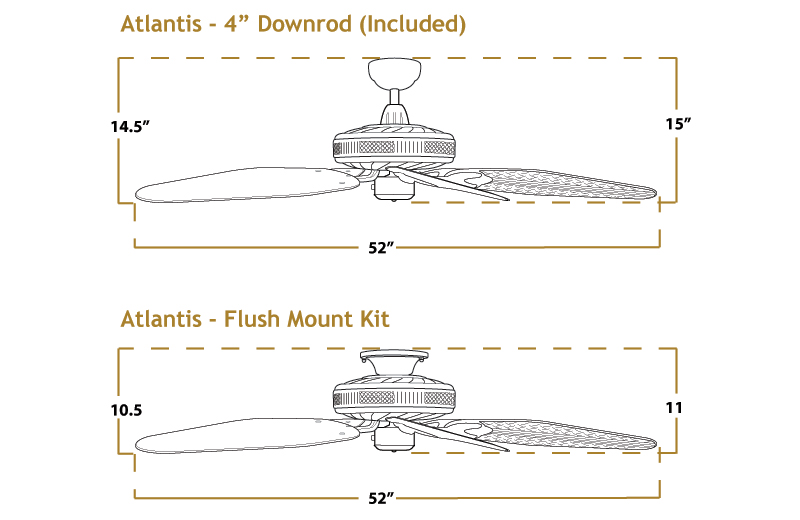
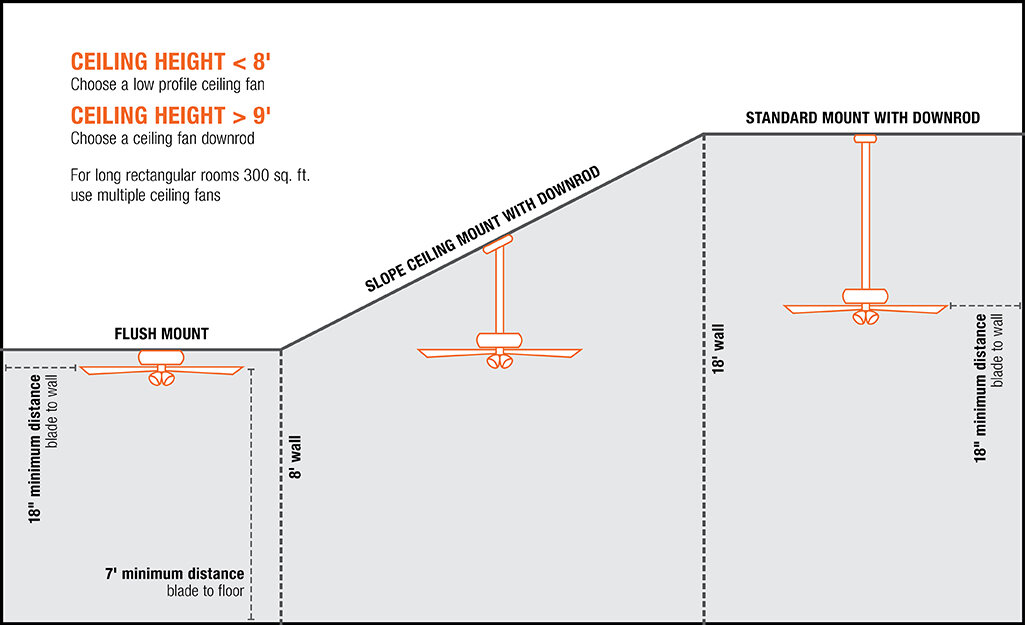
The downrod is that pipe-like extension that connects the fan motor to the ceiling mounting bracket. Its length is crucial for achieving optimal airflow and safety. A good rule of thumb? Fans should generally be at least 7 feet from the floor. For standard 8-foot ceilings, a short downrod (or a "hugger" fan with no downrod) works best. Taller ceilings, like those majestic 10-footers, will benefit from longer downrods to bring the fan into the ideal zone for air circulation. Pro tip: Always consider head clearance! No one wants a surprise fan-to-head encounter.
Canopy & Motor Housing: The Aesthetics of Scale
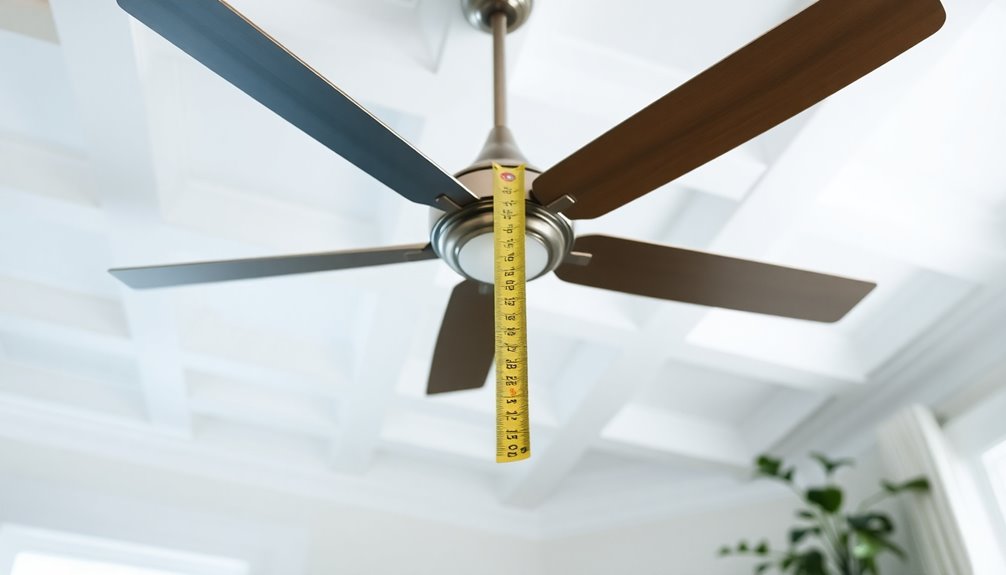
The canopy is the decorative cover that sits flush against the ceiling, concealing the wiring and mounting hardware. Its diameter is good to know for aesthetic purposes, ensuring it covers your electrical box neatly. The motor housing width refers to the central body of the fan. While not critical for air movement, it contributes to the overall visual footprint. A sleek, modern fan might have a very slim housing, while a more industrial design might feature a bulkier one. It’s all about the vibe you’re going for!
Blade Pitch: The Silent Power
This isn't a measurement you typically take with a tape measure, but it's an important factor! Blade pitch refers to the angle at which the blades are tilted. A steeper pitch generally moves more air, given the motor is powerful enough. It’s the engineering magic that makes your fan truly effective, ensuring it chops through the air efficiently rather than just stirring it. Think of it like the angle of an airplane wing – critical for lift!
Why Does It All Matter? The Goldilocks Principle
Understanding these measurements is like applying the "Goldilocks principle" to your home comfort: you want a fan that's just right.
- A fan that's too small for a large room will struggle to cool it, leaving you feeling sticky and underwhelmed.
- One that's too large for a small room can overpower the space, both visually and atmospherically, making it feel like you're in a wind tunnel.
Generally, a 36-inch fan is great for rooms up to 75 sq ft (like a small office). For medium rooms (up to 144 sq ft), a 42-48 inch fan is usually perfect. Larger rooms (up to 225 sq ft) often need a 50-54 inch fan, and for really spacious areas (over 225 sq ft), you might look at 60-72 inch fans or even multiple units.
A Little Reflection on the Whirlwind of Life
So there you have it! Measuring a ceiling fan is less about complex geometry and more about ensuring the perfect marriage of form, function, and comfort in your living space. From the main blade span to the subtle blade pitch, each dimension plays its part in creating that ideal breeze. It reminds us that often, the little details, the things we take the time to understand, are what truly make a difference in our daily lives. A well-chosen fan isn't just a gadget; it's a silent partner in crafting your personal haven, a gentle reminder that sometimes, the best things in life are simply about feeling comfortable and at ease.