How Hot Should A Fish Tank Be

Ever wondered what it's like to live in a perpetual bath, where the temperature is just right for you to thrive? Well, for our finned friends, that's exactly what their aquarium is! For many of us, setting up a fish tank is one of the first steps into the wonderful world of pet ownership. It's calming, beautiful, and a fantastic way to bring a slice of nature indoors. But beyond the cool decorations and the fascinating fish, there's a surprisingly important question that often goes unasked: How hot should a fish tank be? Getting this right isn't just a detail; it's absolutely crucial for the health, happiness, and longevity of your aquatic companions.
Think about it: unlike us, fish are cold-blooded. This means they can't regulate their own body temperature internally. Instead, they rely entirely on their environment to keep them comfortable. If their water is too hot or too cold, it directly impacts everything from their metabolism and immune system to their behavior and ability to digest food. Providing the correct temperature ensures they're not stressed, are less susceptible to illness, and can truly flourish in their underwater world. It's about creating a stable, ideal climate – their perfect forever home!
So, what's the magic number? There isn't one single answer, as it largely depends on the type of fish you're keeping. For most popular tropical fish (like colorful guppies, playful tetras, or the magnificent betta), the ideal range usually falls between 75-80°F (24-27°C). This range mimics their natural warm habitats. On the other hand, coldwater fish such as goldfish or koi prefer cooler temperatures, typically between 65-72°F (18-22°C). Mixing these two types of fish in one tank is a big no-no for this very reason – one group will always be uncomfortable!
Must Read
What happens if the temperature is off? If the water is too cold, your fish might become sluggish, lose their appetite, and their immune system will weaken, making them easy targets for diseases. They’ll just sit there, feeling miserable! Conversely, if it's too hot, their metabolism will speed up, leading to stress, rapid breathing, and a shorter lifespan. Higher temperatures also mean less dissolved oxygen in the water, which can be detrimental, especially in crowded tanks. Neither extreme is good; what we're aiming for is that goldilocks zone.
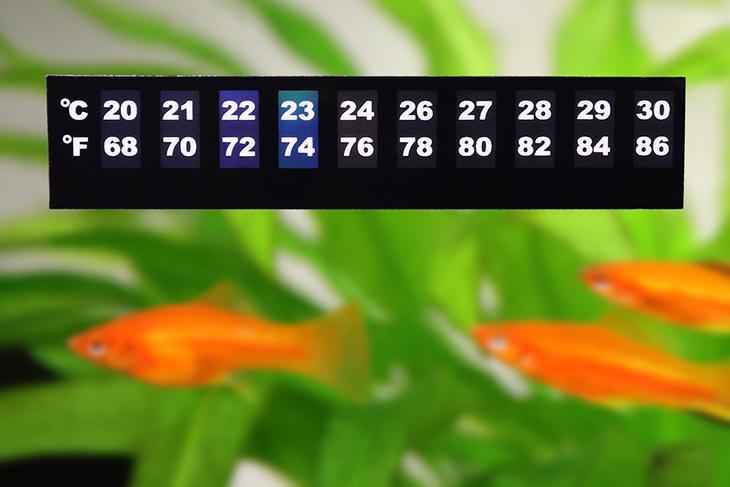
Achieving and maintaining the right temperature is simpler than you might think. A good quality, thermostatically controlled heater is your best friend for tropical tanks. It will automatically switch on and off to keep the water at your desired setting. But don't just trust the heater; always double-check with a reliable thermometer. Digital thermometers are often praised for their accuracy and ease of reading. Place your tank away from direct sunlight, drafts, or heat sources like radiators, as these can cause wild temperature fluctuations. Regularly monitoring the temperature ensures stability, which is key to a happy, thriving aquatic environment. Your fish will thank you for providing them with a consistently cozy and comfortable home!
![How to Keep a Fish Tank Warm Without a Heater - Tips & Tricks [Upd. 2021]](https://pickedbyfish.com/wp-content/uploads/2021/12/what-temperature-should-a-fish-tank-be-main.jpg)