
How Hot Is Too Hot For A House
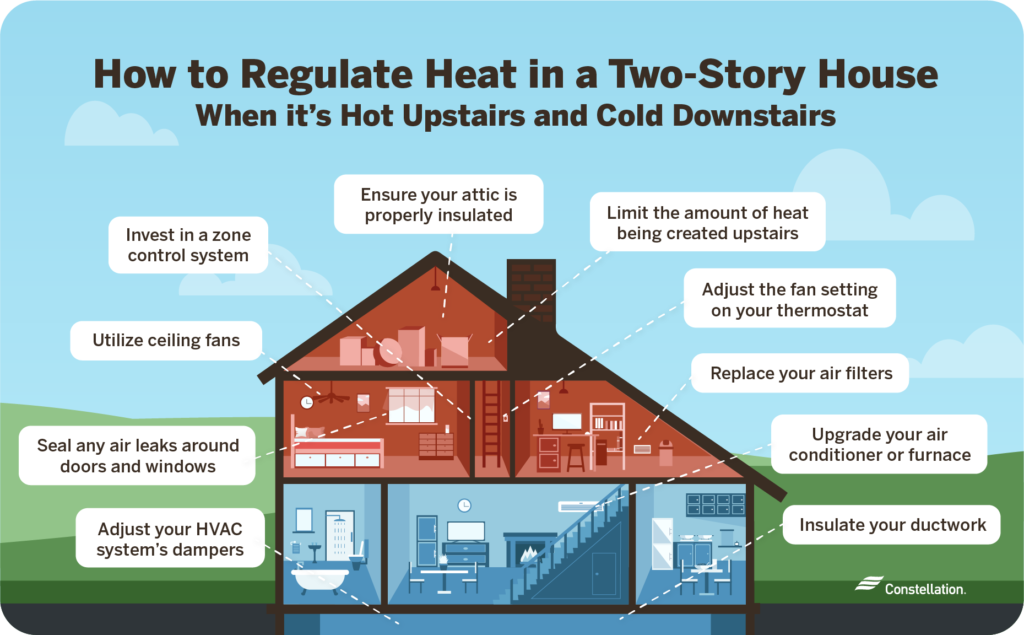
You know that feeling. You walk through the front door, expecting the sweet embrace of home, and instead, you’re hit with a wall of heat that feels suspiciously like you’ve just stepped into a preheated oven. Your carefully curated sanctuary has transformed into a tropical sweltering zone, and suddenly, putting on the kettle feels like an act of arson.
It’s not just a little warm; it’s "Is this a sauna, or did I accidentally leave the heating on full blast in July?" kind of hot. Your shirt is already sticking to your back, and you haven't even made it to the fridge for a cold drink. We’ve all been there, standing in the doorway, wondering: How hot is too hot for a house?
Why Does it Get So Toasty?
Sometimes it’s just Mother Nature doing her thing, sending a heatwave our way. Other times, it’s a conspiracy of closed windows, forgotten ceiling fans, and a sun that seems determined to turn your living room into a sunbathing deck. Regardless of the culprit, the result is the same: a house that feels like it's giving you a warm, unwelcome hug.
Must Read
It’s that point where your pets are sprawled out like liquid puddles, your plants look like they’re staging a dramatic fainting spell, and you’re seriously considering taking a nap in the crisper drawer of your refrigerator.
The Telltale Signs: Is Your House Secretly a Sauna?
The first sign, of course, is the immediate sweat sheen. You know, that invisible film that suddenly appears on your forehead the second you cross the threshold. Then there's the "too hot to touch" phenomenon – the metal doorknob, the car keys you left on the table, even your phone screen feels like it's been sunbathing.
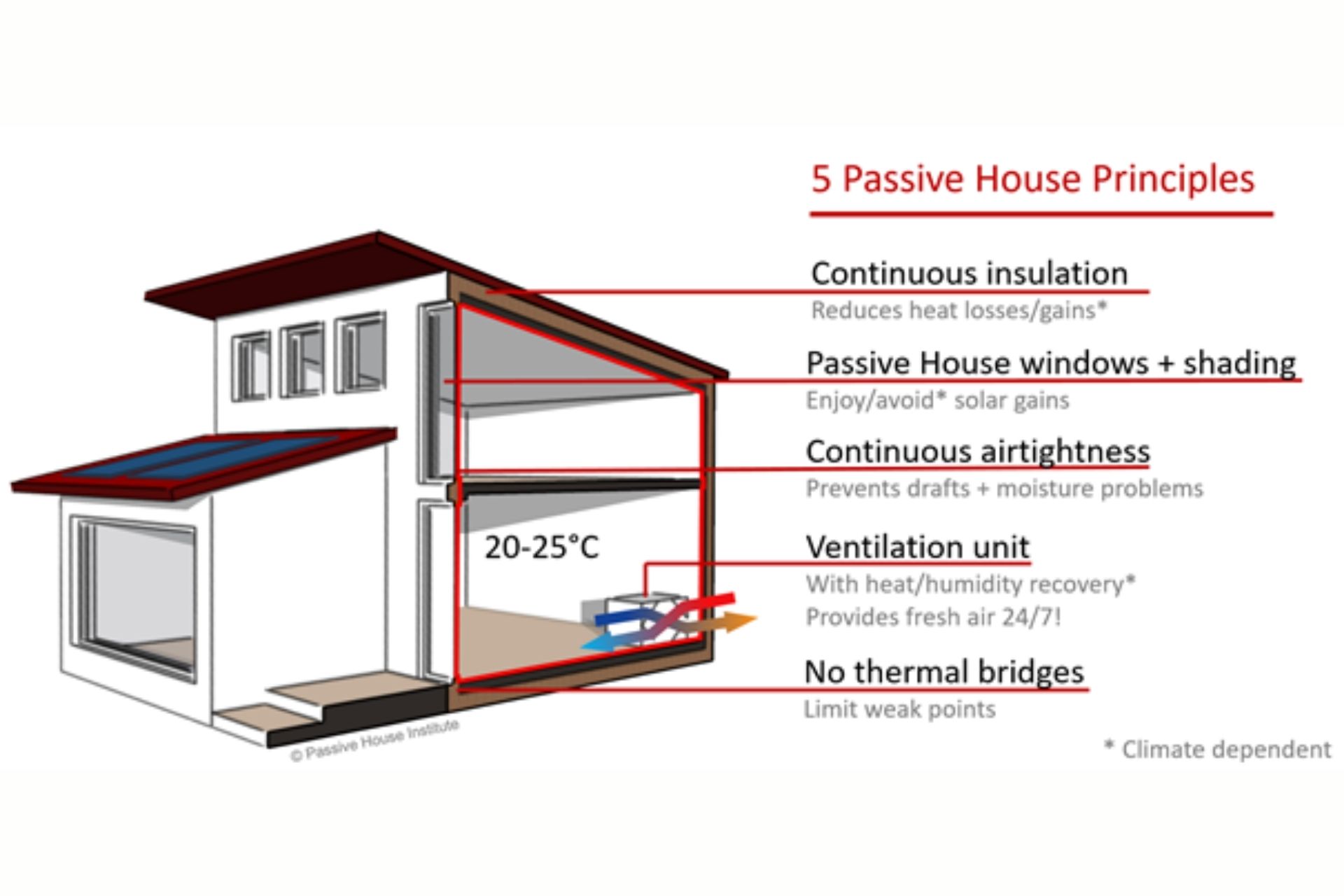
Another classic indicator: your furniture starts to feel oddly sticky. That lovely faux leather sofa suddenly has a gravitational pull, and peeling yourself off it requires a significant effort. And don't even get me started on the candles. If your beautifully scented pillar candle is starting to do a Salvador Dali impression, it’s probably time to intervene.
When "Warm" Becomes "Woah, That's Too Hot!"
For most of us, personal comfort is the first benchmark. If you’re walking around in your underwear, fanning yourself with a magazine, and still feel like you're simmering, you've likely crossed your personal line. That sweet spot where you can comfortably relax, maybe even wear a light sweater, feels like a distant dream.
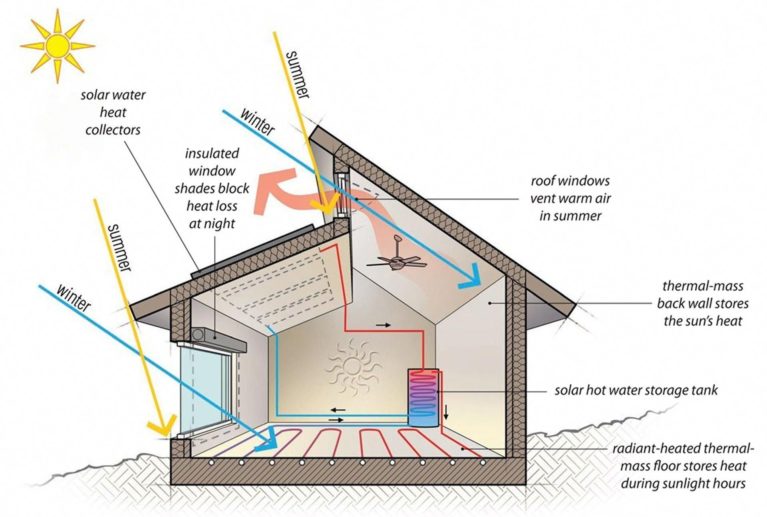
Generally, experts suggest keeping your home between 72-78°F (22-26°C) for optimal comfort and efficiency. But when your indoor thermometer starts creeping into the 80s or even 90s (hello, Fahrenheit friends!), that’s when things get a little more serious than just a case of the "sticky back."
Beyond the Sweat: What Else Suffers?
It's not just about you feeling like a human melting pot. Your house, and everything in it, can take a beating from excessive heat.
Electronics: Your poor laptop is practically begging for a siesta. Overheating can seriously shorten the lifespan of computers, TVs, and other gadgets. They’re designed to work within certain temperature ranges, and when you push those limits, you’re asking for trouble. Think of it as your phone feeling so hot it could probably fry an egg – not good for its internal organs!
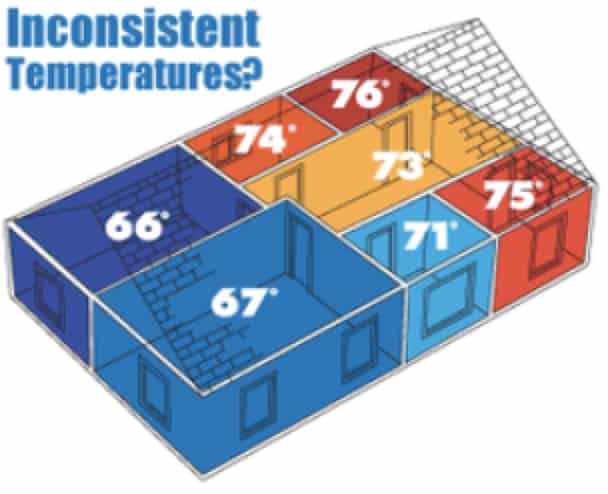
Food and Pantry Items: That "best by" date on your chocolate bar suddenly looks more like a suggestion when it's become a chocolate puddle. Grains, spices, and even canned goods can degrade faster in extreme heat. Your kitchen pantry can quickly turn into a warm storage unit for stale snacks.
Furniture and Decor: Wood can warp, glue can weaken, and finishes can crack or peel. Remember that nice framed photo? It might start doing the "Dali melting clock" impression. And those candles? They're definitely not going to hold their shape.

Pets: This is a big one. Our furry friends can’t just unbutton their shirts or jump into a cold shower. Dogs and cats are susceptible to heatstroke, and a really hot house can be genuinely dangerous for them. If your dog is sprawled out like a pancake, panting heavily, it's definitely too hot.
So, What's the Magic Number?
While there’s no universally enforced "red alert" temperature for every single house (unless you have very specific, temperature-sensitive items), if your home consistently sits above 80°F (27°C) for extended periods, especially with high humidity, you're likely entering the "too hot" zone.
It’s the point where comfort gives way to agitation, where your ice cream instantly becomes soup, and where the thought of cooking anything beyond a cold sandwich feels like a herculean task. So next time you walk in and feel that immediate wave of "nope," you're not alone. Your house is simply echoing your sentiments: "It's just too darn hot in here!"