How Hot Do Cars Get In The Sun

There's a universal moment of truth many of us face on a glorious summer's day: opening a car door that’s been baking in the sun. The immediate rush of heat, sometimes strong enough to make you gasp, is a familiar, almost comedic experience. But beyond the immediate discomfort, lies a fascinating world of everyday physics just begging to be explored. Understanding how hot cars really get isn't just a quirky fact; it's a journey into the science of absorption, radiation, and convection that can be surprisingly engaging for anyone curious about the world around them.
For the casual learner or even the budding scientist, delving into car temperatures offers a wealth of benefits. Firstly, it cultivates a deeper awareness of heat safety, reinforcing why we should never leave children or pets unattended in a vehicle, even for a moment. This understanding moves beyond just "don't do it" to "here's why it's incredibly dangerous." Secondly, it’s a brilliant, hands-on introduction to basic thermodynamics and material science. You start to grasp concepts like thermal mass, emissivity, and specific heat capacity without even realizing you're learning complex principles. It transforms a mundane observation into a dynamic, educational opportunity, encouraging a more thoughtful interaction with our environment.
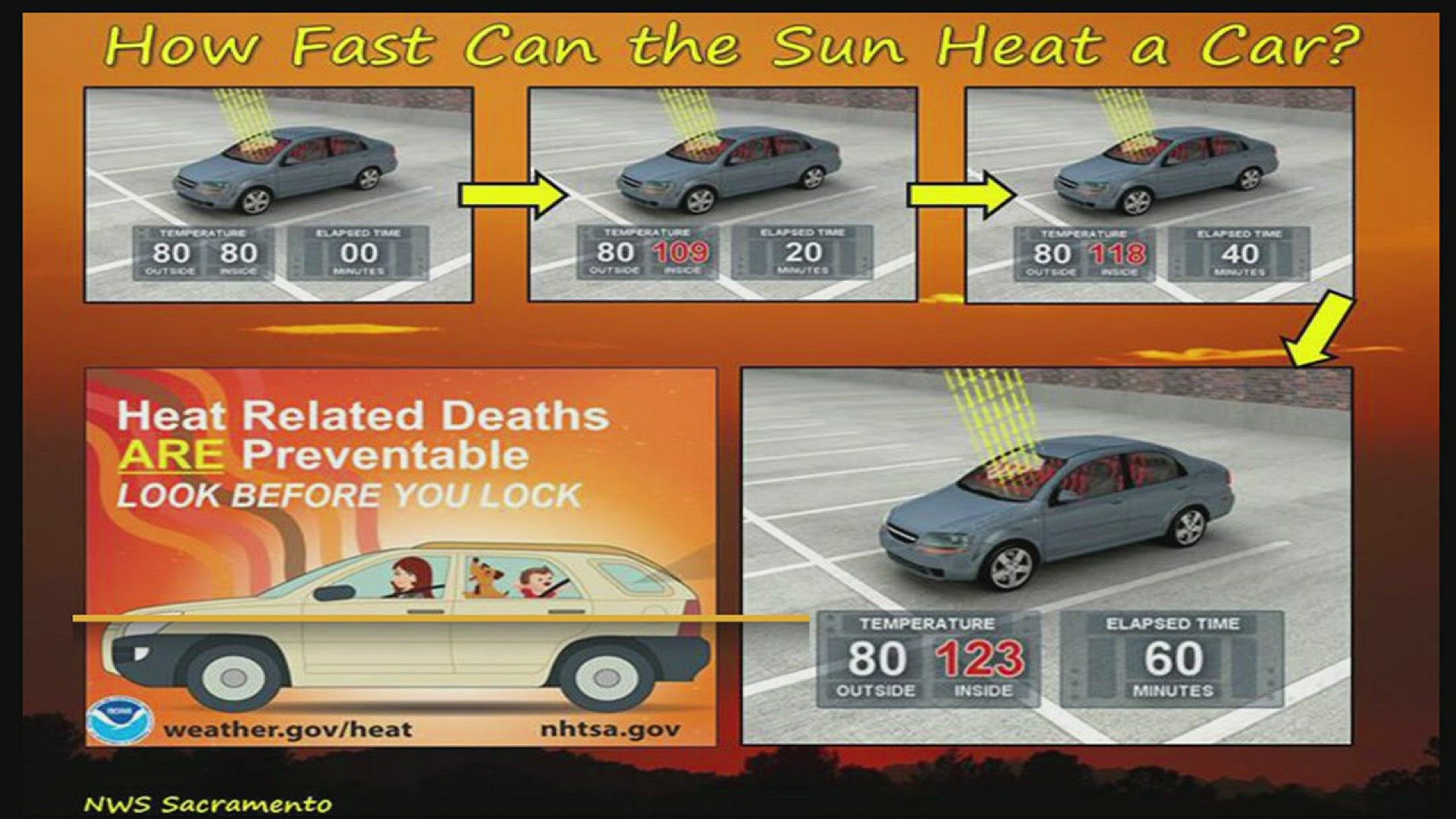
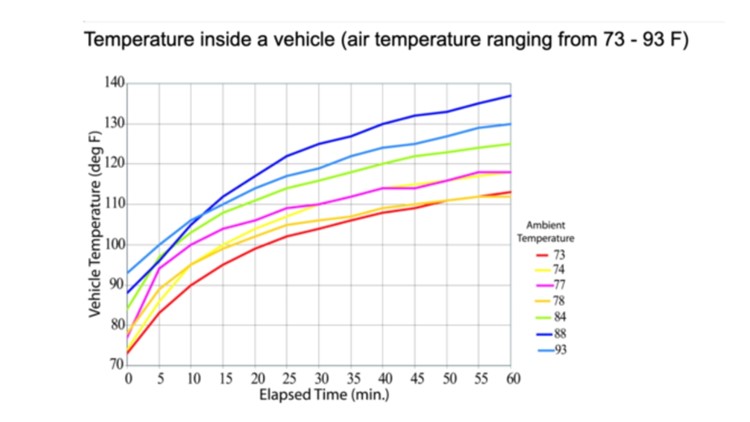
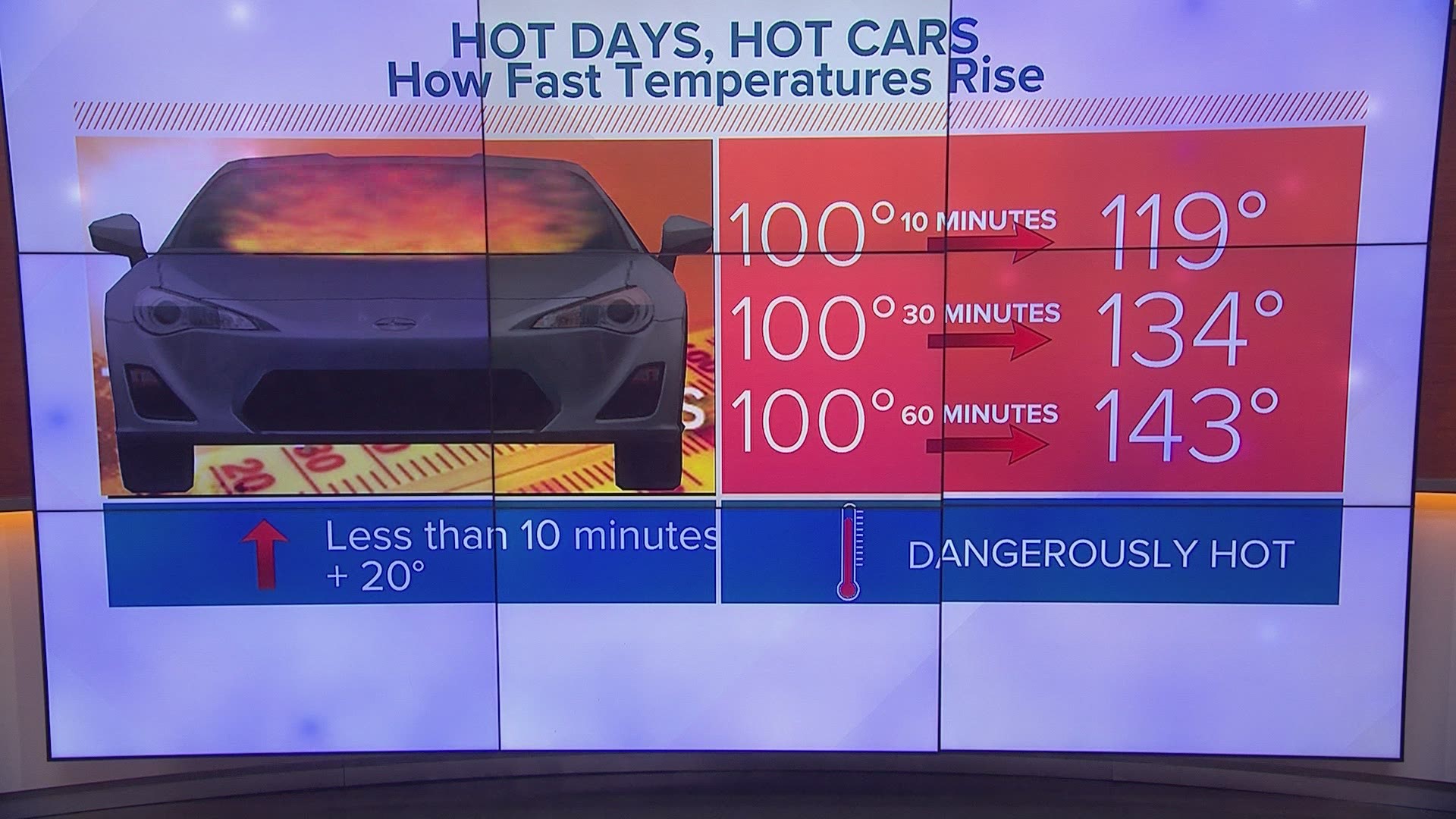
The variations in how hot a car gets are truly illustrative. Take the obvious example: color. A sleek black car, while stylish, will absorb significantly more solar radiation than a pristine white one, leading to much higher surface and interior temperatures. But it's not just the exterior paint; consider the materials inside. Your car's dashboard, often made of dark plastic, can reach scorching temperatures, easily exceeding 180°F (82°C) on a sunny day. Compare that to lighter fabric seats or even the metal of a seatbelt buckle, which can become miniature branding irons! Even the air inside, trapped by the windows, can climb to oven-like conditions, often 20-30°F (11-17°C) hotter than the ambient outside temperature within minutes. Exploring these differences highlights the practical impact of material choice and color in everyday design.
Must Read
Ready to turn your driveway into a science lab? Trying this at home is incredibly simple and fun. All you need is a non-contact infrared thermometer (easily found online or at hardware stores) or even a basic oven thermometer placed carefully inside. On a sunny day, measure the temperature of various surfaces: the car's exterior paint (light vs. dark areas), the dashboard, the steering wheel, fabric seats, and even the air inside (if using an oven thermometer). Compare a car parked directly in the sun versus one in the shade. Note the ambient air temperature and the time of day. You'll be amazed at the drastic differences you discover, especially how quickly temperatures escalate inside the cabin. Remember to be safe – never leave living beings in a hot car, and be mindful of extremely hot surfaces.
Ultimately, delving into "How Hot Do Cars Get In The Sun" is enjoyable because it satisfies that fundamental human desire to understand the world around us. There's a genuine sense of accomplishment in demystifying a common experience and applying scientific principles to everyday life. It empowers you with knowledge that’s not just interesting, but truly important for safety and awareness, turning a simple observation into a delightful lesson in physics and common sense. It's a reminder that sometimes, the most fascinating science is happening right outside your front door.