
How Get Your Music On Spotify

So, you've got a tune stuck in your head (that you wrote, obviously) and you think the world deserves to hear it? You're practically bursting to get your masterpiece onto Spotify, right next to Taylor Swift and… well, maybe not right next to Taylor, but you get the idea!
Fear not, budding Beethoven! Getting your music onto the digital airwaves is easier than making toast (and arguably more rewarding). We're gonna break down the process into bite-sized pieces that even your grandma could understand. Let's unleash your inner rockstar!
First things First: The Music!
Okay, this might seem obvious, but you actually need some music. Like, real music. Not just you humming in the shower (unless your shower humming is Grammy-worthy, in which case, record that thing!).
Must Read
We're talking professionally recorded, mixed, and mastered tracks. Think of it like this: you wouldn't serve raw cookie dough to the Queen, would you? (Okay, maybe you would, but that's a story for another time.)
If you're a one-person band, awesome! If you need to hire a studio and some musicians, that's cool too. Just remember, quality is key. Nobody wants to listen to something that sounds like it was recorded on a potato.
Gear Up: Audio Formats and Artwork
Spotify is a picky eater when it comes to audio files. They prefer a WAV file, which is like the filet mignon of audio formats. Think of MP3s as… well, let's just say they're more like the hot dogs.
Next up: artwork! This is your album cover, your visual handshake with the world. It needs to be eye-catching, professional, and a square (at least 3000 x 3000 pixels, according to the official rules).
Don't just slap a picture of your cat on there (unless your cat is ridiculously photogenic, and even then, maybe reconsider). Think about your brand, your music, and what you want to communicate to your potential listeners.
Enter the Distributor: Your Ticket to Spotify Stardom
Here's the secret sauce: you can't directly upload your music to Spotify. You need a middleman, a gatekeeper, a… music distributor! These companies act as your liaison, taking your tunes and delivering them to the various streaming platforms.

Think of them like the pizza delivery guy for your audio deliciousness. They handle the logistics, the technicalities, and generally make sure your music gets to the right place at the right time.
There are tons of distributors out there, each with their own pros, cons, and pricing structures. Some of the popular options include DistroKid, TuneCore, CD Baby, and RouteNote. Do your research!
Each distributor charges different price, or fee. Some charge a yearly fee for unlimited uploads, while others take a percentage of your royalties. Think about your budget and your long-term goals.
Choosing Your Distributor: It's Like Dating, But With Music
Picking a distributor is a big decision, so don't rush into it. Read reviews, compare pricing, and see which one feels like the best fit for you and your music.
Consider things like: How much do they charge? What percentage of royalties do they take? Do they offer any extra services, like sync licensing or social media promotion? Are they easy to contact if you have problems?
Don't be afraid to shop around and ask questions. Remember, this is your career, your art, your precious music we're talking about!
The Uploading Process: Almost There!
Once you've chosen your distributor, it's time to upload your music. This usually involves creating an account, filling out some information about your song, and uploading your audio file and artwork.
Be prepared to provide details like: Song title, Artist name, Album title (if applicable), Genre, Release date, and any other relevant information. The more accurate you are, the better!
Double-check everything before you hit submit. Typos can be embarrassing, and nobody wants to see their song title misspelled on Spotify.
Metadata Matters: The Key to Discovery
Metadata is the information that describes your song, like the title, artist, genre, and release date. It's like the ingredients list on a food label, telling listeners what they're about to consume.
Accurate metadata is crucial for discoverability. It helps Spotify understand your music and recommend it to the right listeners.
Think about it: if you categorize your heavy metal song as "classical," you're probably not going to reach your target audience (unless you're going for a really niche market of headbanging classical music enthusiasts).
Release Day: Time to Celebrate (and Promote!)
Congratulations! Your music is officially on Spotify! Time to pop the champagne, throw a party, and bask in the glory of your accomplishment!
But wait, your work isn't quite done yet. Getting your music on Spotify is only half the battle. Now you need to promote it and get people to actually listen to it.
Share your music on social media, reach out to music bloggers, and consider running some online ads. Get creative! The more you promote your music, the more likely it is to reach a wider audience.
Promotion Power: Let the World Know!
Promoting your music can feel like shouting into the void, but don't get discouraged. Every little bit helps! Share your music on all your social media platforms. Instagram, X, TikTok, Facebook, all social platforms you use!
Create some cool visuals, write catchy captions, and engage with your fans. The more you put yourself out there, the more likely you are to attract new listeners. And let us not forget press releases. Send it to any media outlet that may be interested in sharing your content!
Consider running targeted ads on social media to reach people who are likely to enjoy your music. You can target ads based on things like age, location, interests, and even listening habits.
Patience, Young Padawan: Rome Wasn't Built in a Day
Don't expect to become a global superstar overnight. Building a fanbase takes time, effort, and a whole lot of patience. It’s like building a sandcastle. Wave by wave, piece by piece.
Keep creating great music, keep promoting yourself, and keep engaging with your fans. The more consistent you are, the more likely you are to see results.
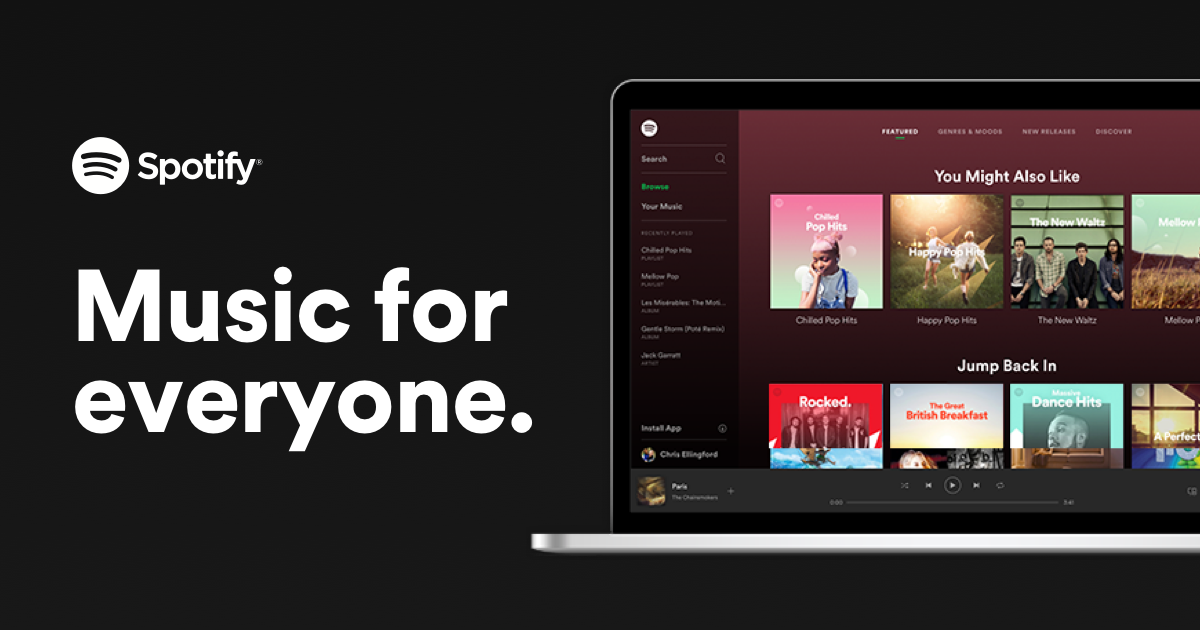
Even if you don't become the next Beyoncé, you can still find joy and fulfillment in creating and sharing your music with the world. And hey, at least you can tell your friends that you're on Spotify!
Keep the Music Flowing: Stay Creative, Stay Inspired
The most important thing is to keep making music that you love. Don't get caught up in trying to chase trends or please everyone else. The best music comes from the heart.
Keep experimenting, keep learning, and keep pushing yourself to grow as an artist. The more you hone your craft, the better your music will become.
And most importantly, have fun! Making music should be an enjoyable experience. If you're not having fun, then what's the point?
A Final Word of Encouragement: You Got This!
So there you have it: a step-by-step guide to getting your music on Spotify. It might seem daunting at first, but trust me, it's totally doable.
With a little hard work, dedication, and maybe a dash of luck, you'll be on your way to digital music stardom. Just remember to stay true to yourself, keep creating, and never give up on your dreams.
The world is waiting to hear your music. So go out there and make some noise!