How Geothermal Energy Is Converted Into Electricity

Okay, let's talk about something cool – literally and figuratively. We're diving deep (pun intended!) into the world of geothermal energy, and specifically, how we transform the Earth's natural heat into the electricity that powers our lives. Forget those images of smoky power plants; we're talking about harnessing the planet's own internal oven!
Think of it like this: the Earth is a giant avocado. The skin is the crust, the creamy flesh is the mantle, and the pit is the core. Now, that core? It's hotter than the surface of the sun! While we can't exactly tap that directly, the heat radiates outwards, warming the rocks and water beneath our feet. This is where the geothermal magic begins.
The Three Musketeers of Geothermal Power: Plant Types
There are three main types of geothermal power plants, each using slightly different methods to capture and convert that underground heat:
Must Read
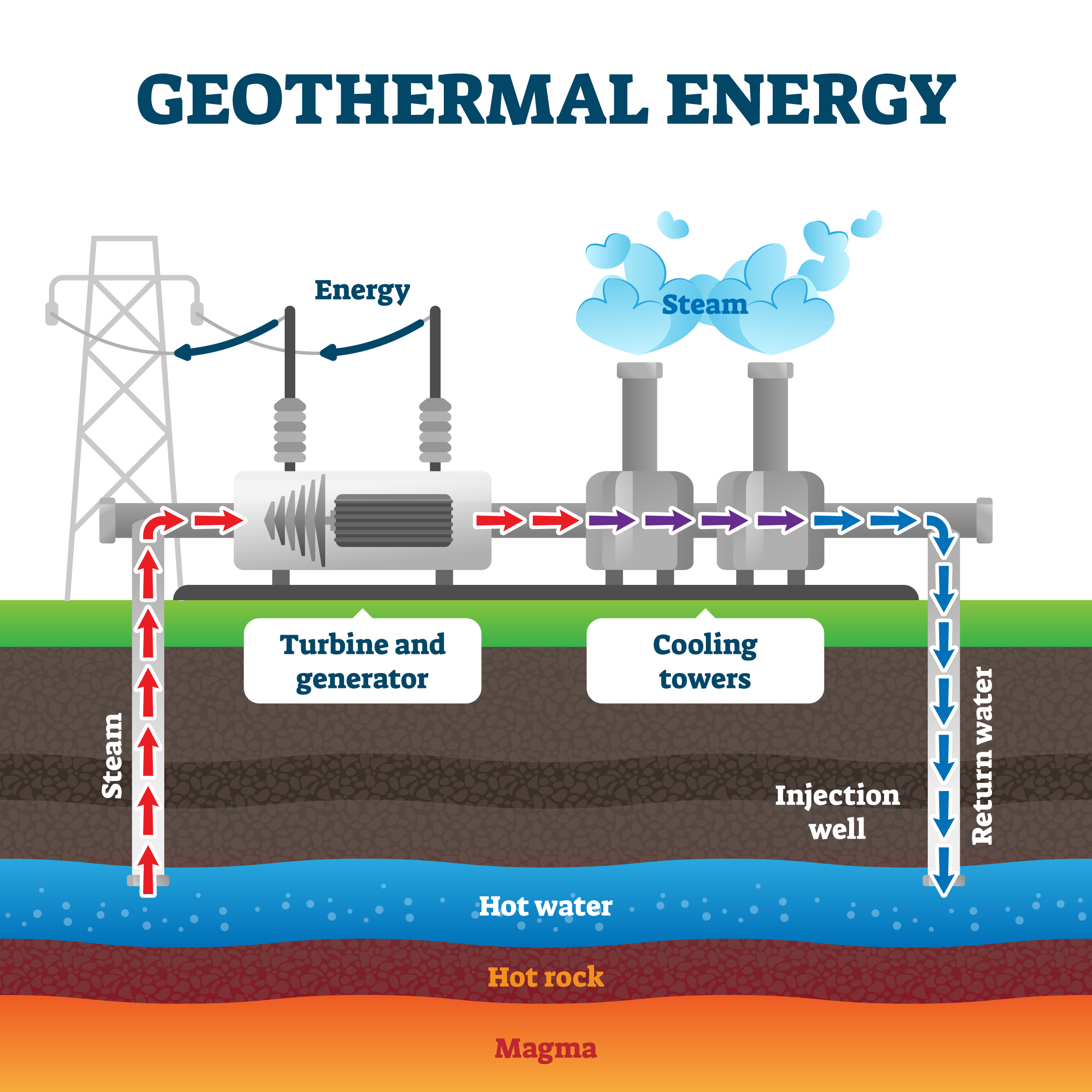
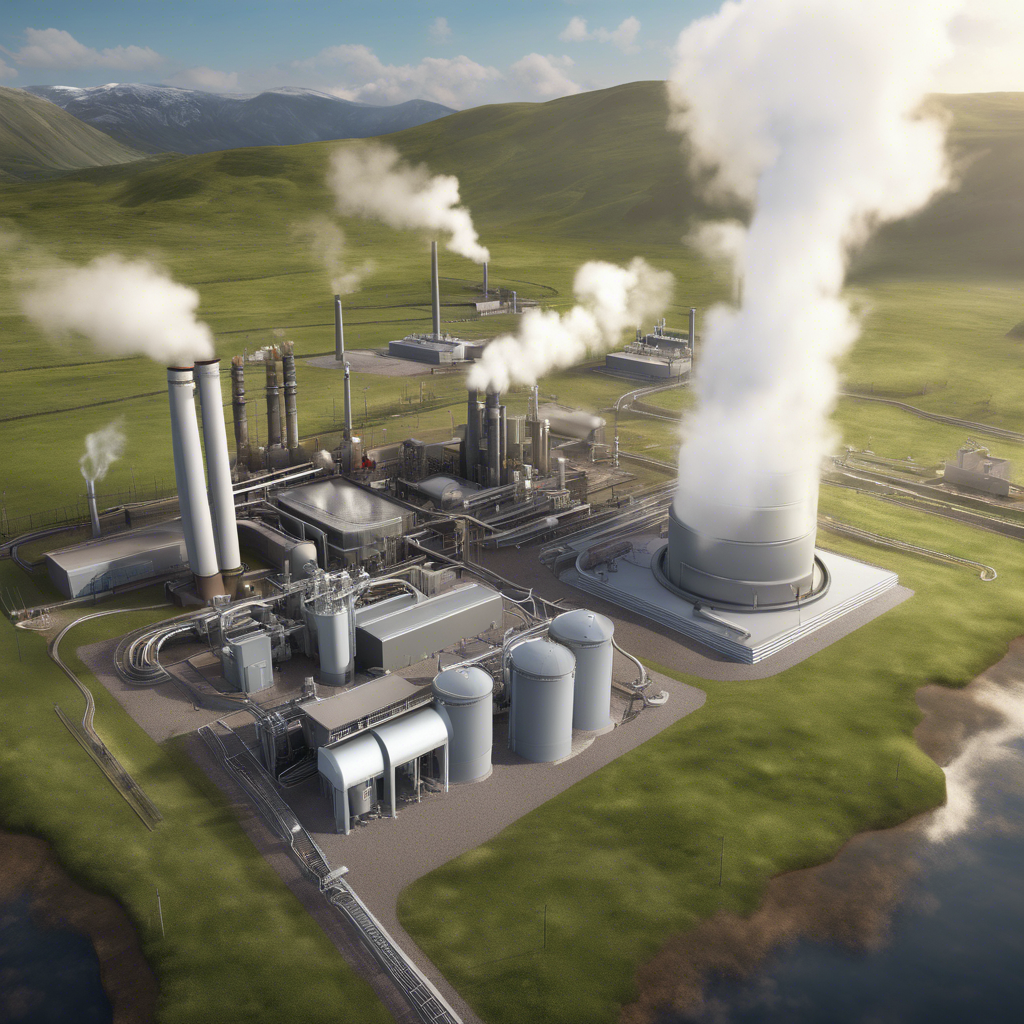
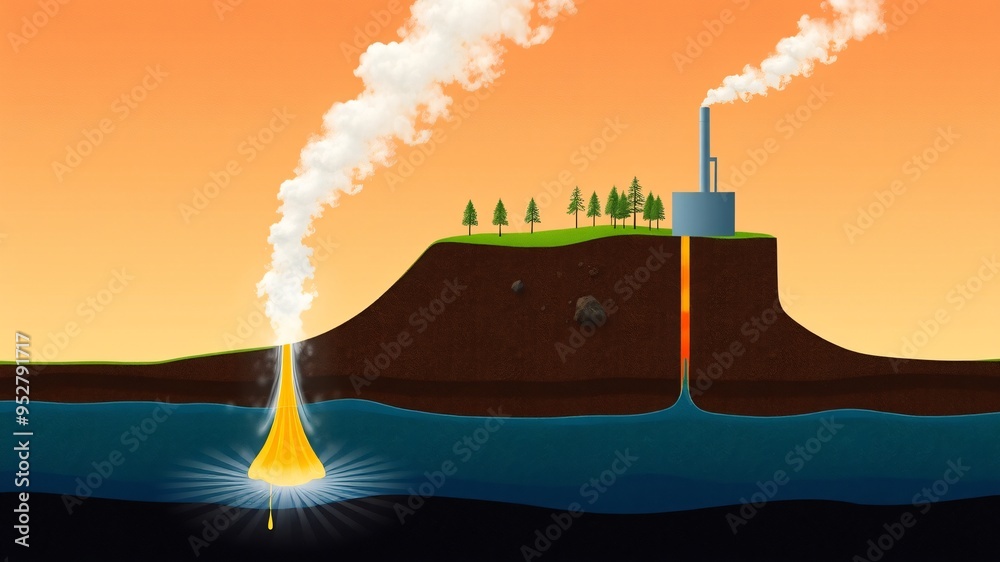
- Dry Steam Plants: These are the OGs of geothermal. They directly tap into underground reservoirs of steam. This steam, pressurized and ready to rock, is piped straight into a turbine, which spins a generator, producing electricity. Think of it as nature's own espresso machine, just on a massive scale.
- Flash Steam Plants: The most common type. They tap into high-pressure hot water reservoirs. When this hot water is brought to the surface, the pressure drops, causing some of it to "flash" into steam. This steam then spins a turbine, generating electricity. It's like opening a can of fizzy drink – that sudden release of pressure is similar to what's happening here.
- Binary Cycle Plants: These are the eco-chic option. They use moderately heated geothermal water (not hot enough to flash into steam) to heat a secondary fluid with a lower boiling point. This secondary fluid then turns into vapor, spins a turbine, and voila – electricity! It’s a bit like a double date, where the geothermal water introduces a friend (the secondary fluid) who does all the work.
Fun Fact: The Geysers in California, the world's largest geothermal field, are primarily powered by dry steam plants!
From Earth's Core to Your Coffee Maker: A Step-by-Step
Let's break down the general process:

- Exploration & Drilling: Geologists locate areas with high geothermal potential. Wells are then drilled deep into the earth to tap into those reservoirs of hot water or steam. It’s a bit like a treasure hunt, but instead of gold, you're looking for heat.
- Extraction: The hot water or steam is brought to the surface through these wells. This might involve pumps if the pressure isn’t high enough naturally.
- Conversion: As explained earlier, the steam or vapor is used to spin the blades of a turbine. This turbine is connected to a generator.
- Electricity Generation: The spinning turbine turns the generator, which converts the mechanical energy into electrical energy. This is the same principle used in many types of power plants, from coal-fired to wind farms.
- Distribution: The electricity is then sent through power lines to homes and businesses, ready to power your Netflix binges and keep your fridge humming.
- Reinjection (Important!): After the heat has been extracted, the cooled water is often reinjected back into the earth. This helps to replenish the geothermal reservoir and keeps the whole system sustainable. Think of it as recycling the planet's resources.
Pro Tip: Check your local energy provider to see if they offer a "green energy" option that includes geothermal power. Supporting these initiatives helps drive the adoption of renewable energy sources.
Beyond the Power Plant: Geothermal's Cultural Connection
Geothermal energy isn't just a modern technology; it's been used for centuries! Think of the ancient Roman baths, or the hot springs in Iceland and Japan. Cultures around the world have long recognized and utilized the Earth's natural heat for bathing, cooking, and heating. It's a testament to our enduring connection with the planet.
Did you know? Iceland is a pioneer in geothermal energy. They use it to heat over 90% of their homes and even melt snow off sidewalks in the winter!
A Little Reflection
So, the next time you flip a light switch, take a moment to consider where that electricity might be coming from. Could it be powered by the Earth's own heat, bubbling beneath our feet? Geothermal energy is a fascinating example of how we can harness the power of our planet in a sustainable and responsible way. It's a reminder that the Earth provides us with incredible resources, and it's up to us to use them wisely. Perhaps you could even swap out a regular bulb for an energy-efficient LED. Every little bit helps, right?