How Fossil Fuels Are Used To Produce Electricity

Think about your morning routine. The gentle hum of your alarm, the bright glow of your bedside lamp, the enticing aroma of coffee brewing – all powered by electricity! We often take for granted the seamless flow of power that fuels our lives, but have you ever stopped to wonder where all that energy actually comes from? A significant portion, even today, originates from the often-debated but undeniably crucial process of burning fossil fuels.
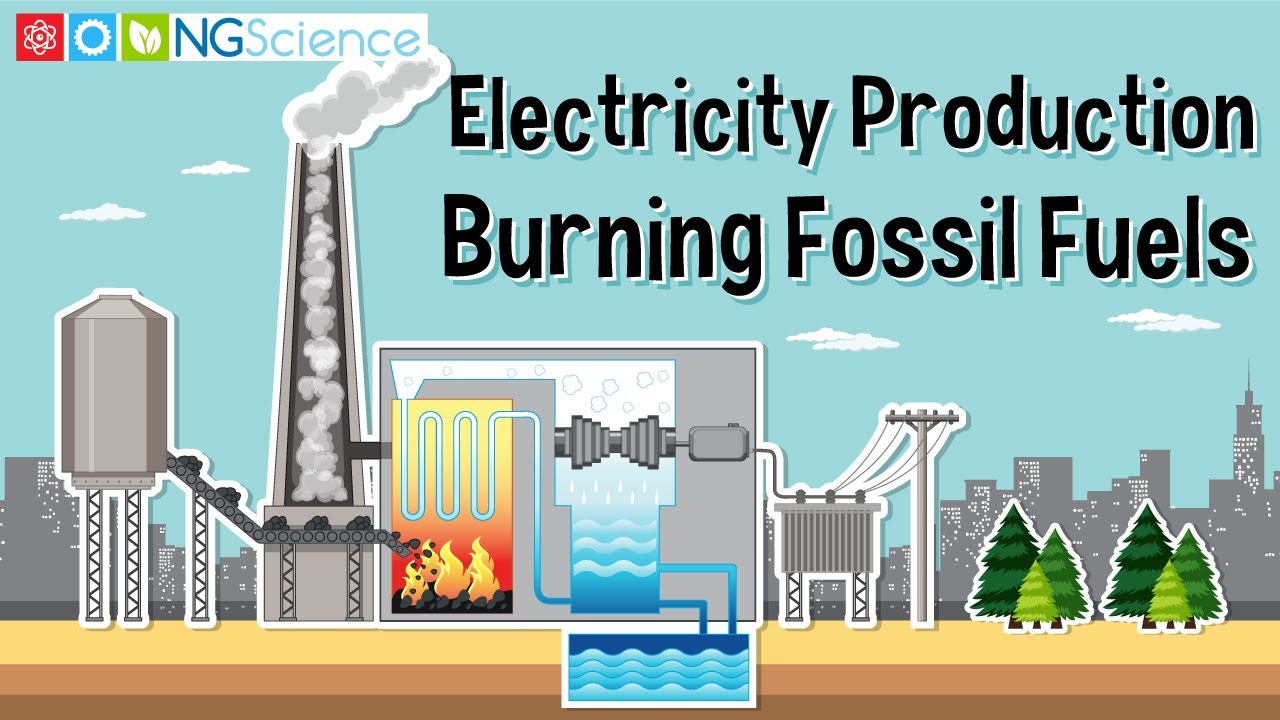
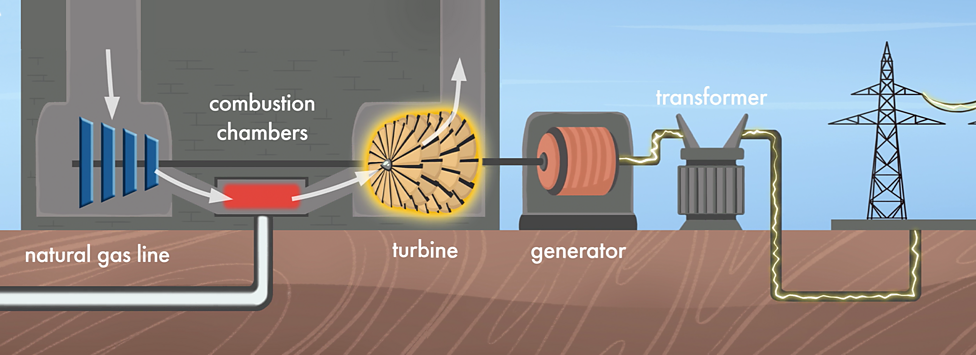
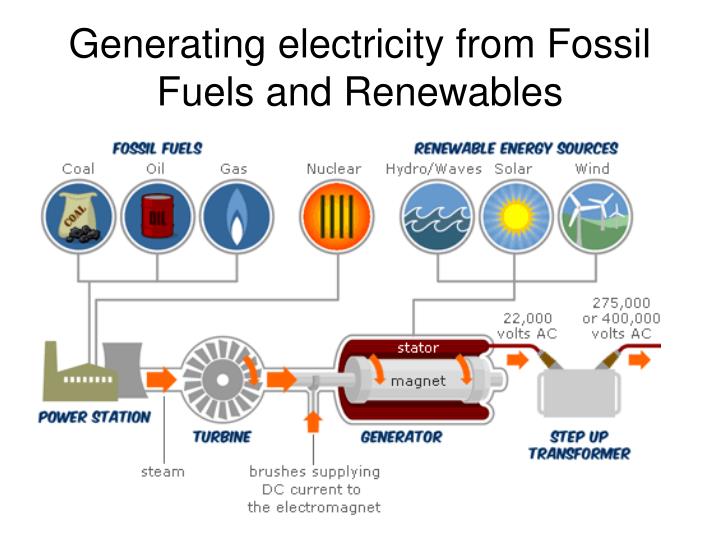
Fossil fuels, namely coal, oil, and natural gas, have been the workhorses of electricity generation for over a century. The beauty (and the complexity) lies in its relative simplicity: you burn something, you create heat, you use that heat to spin a turbine, and that turbine generates electricity. Essentially, it’s like a super-charged steam engine!
The benefits of using fossil fuels for electricity are undeniable, especially historically. They offered a relatively stable and affordable source of power that allowed industries to flourish, homes to be lit, and societies to develop at an unprecedented pace. Imagine a world without consistent electricity: no refrigeration to keep food fresh, no computers to connect us, and no life-saving medical equipment. The accessibility and energy density of fossil fuels powered the modern world.
Must Read
You see fossil fuel electricity generation in action every day, whether you realize it or not. From the lights illuminating your office building to the chargers powering your phone, a percentage of that energy likely came from a power plant fueled by coal, oil, or natural gas. Many regions still heavily rely on these power plants to meet peak demand, especially during extreme weather events like heatwaves or cold snaps.
However, with growing concerns about climate change and the environmental impact of burning fossil fuels, it's crucial to acknowledge the downsides. The greenhouse gases released during combustion contribute to global warming, and the extraction and transportation of these fuels can lead to pollution and habitat destruction.
So, how can we enjoy the benefits of electricity more effectively and responsibly, knowing the role fossil fuels still play? The answer lies in energy conservation and supporting the transition to cleaner energy sources. Here are a few practical tips:
- Be mindful of your energy consumption: Turn off lights when you leave a room, unplug electronics when not in use, and use energy-efficient appliances.
- Support renewable energy initiatives: Look for green energy options offered by your utility company or consider investing in solar panels for your home.
- Advocate for policies that promote clean energy: Contact your elected officials and let them know you support investments in renewable energy and energy efficiency programs.
- Embrace smart home technologies: Smart thermostats and lighting systems can help you optimize your energy usage and reduce waste.
Ultimately, while the role of fossil fuels in electricity generation is evolving, understanding its past and present significance is key to making informed decisions about our energy future. By being more conscious of our energy consumption and actively supporting the transition to cleaner alternatives, we can enjoy the convenience of electricity while minimizing its environmental impact. Let's work towards a future where our lights are powered by the sun, the wind, and other sustainable sources, leaving fossil fuels as a relic of the past.