
How Fast Were The Winds Of Hurricane Katrina
/cloudfront-us-east-1.images.arcpublishing.com/gray/M6CBCU4GUJBEVOJBB5LVTUSOQU.png)
Alright, buckle up buttercups, because we're about to talk about some seriously zippy winds! We're diving headfirst into the whirlwind that was Hurricane Katrina, and specifically, how ridiculously fast those winds were whipping around.
Katrina's Winds: Seriously Speedy
So, how fast ARE we talking? Imagine sticking your head out the car window...except that car is a fighter jet. Okay, maybe not quite that fast, but we're getting there!
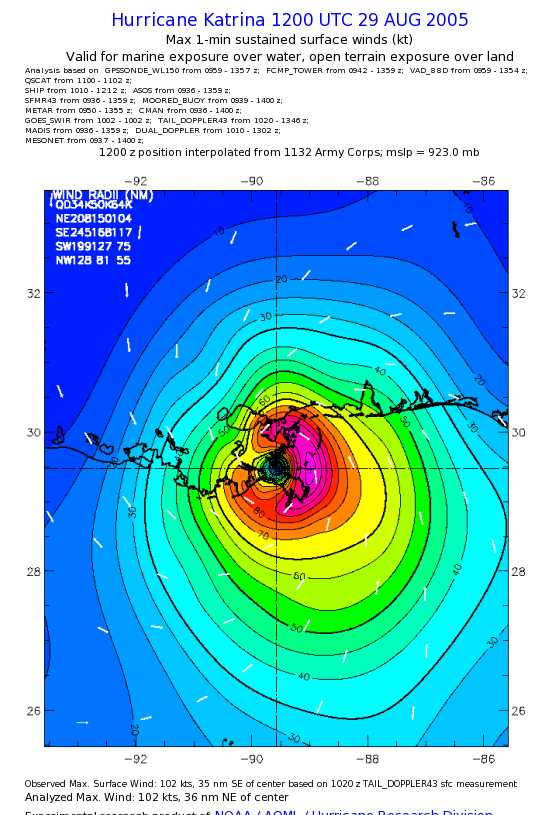
The sustained winds of Hurricane Katrina peaked at a whopping 175 miles per hour. That's not a typo. Think about that for a second. Seventeen-ty. Five. Miles. Per. Hour!
Must Read
Putting That Speed in Perspective
Let's break that down, shall we? Because numbers can be a bit...meh. We need some relatable examples here.
A cheetah, the fastest land animal, can hit about 75 mph in short bursts. So, Katrina's winds were more than twice as fast as a cheetah sprinting for its lunch!
Imagine a major league fastball. Those guys are throwing heat, right? Around 90-100 mph. Katrina's winds were basically throwing two major league fastballs at you. Simultaneously. Ouch!
Ever been on a rollercoaster that makes your stomach leap into your throat? Those usually top out around 60-80 mph. Katrina was like being on two rollercoasters, strapped together, going the wrong way! And through a swamp. Yeah, it was that bad.
Consider the wind speeds considered to be damaging in a regular storm. A sustained wind of 74 mph is the minimum to be classified as a hurricane! Katrina was nearly 2.5 times faster than that minimum!
The "Gust" Factor: Even Crazier!
But wait, there's more! We've only talked about sustained winds. What about the gusts? Those sneaky bursts of even faster wind?
During Hurricane Katrina, some gusts were estimated to have reached over 200 mph! That's just...bonkers.
At 200mph, your regular sedan would turn into a crumpled tin can and fly through the air like a paper airplane caught in a jet engine. Exaggerating? Maybe a little. But not by much! Imagine 200mph wind throwing things at you!
That’s fast enough to pick up a cow and deposit it in your neighbor’s swimming pool. (Okay, I'm definitely exaggerating now...but you get the picture!)
Why So Fast? A Tiny Bit of Science (I Promise!)
Okay, I know I promised to keep the science light. But a little bit helps, right?
Hurricanes are basically giant engines fueled by warm ocean water. This warm water evaporates, rises, and creates thunderstorms. The rotation of the Earth then causes the whole system to spin.
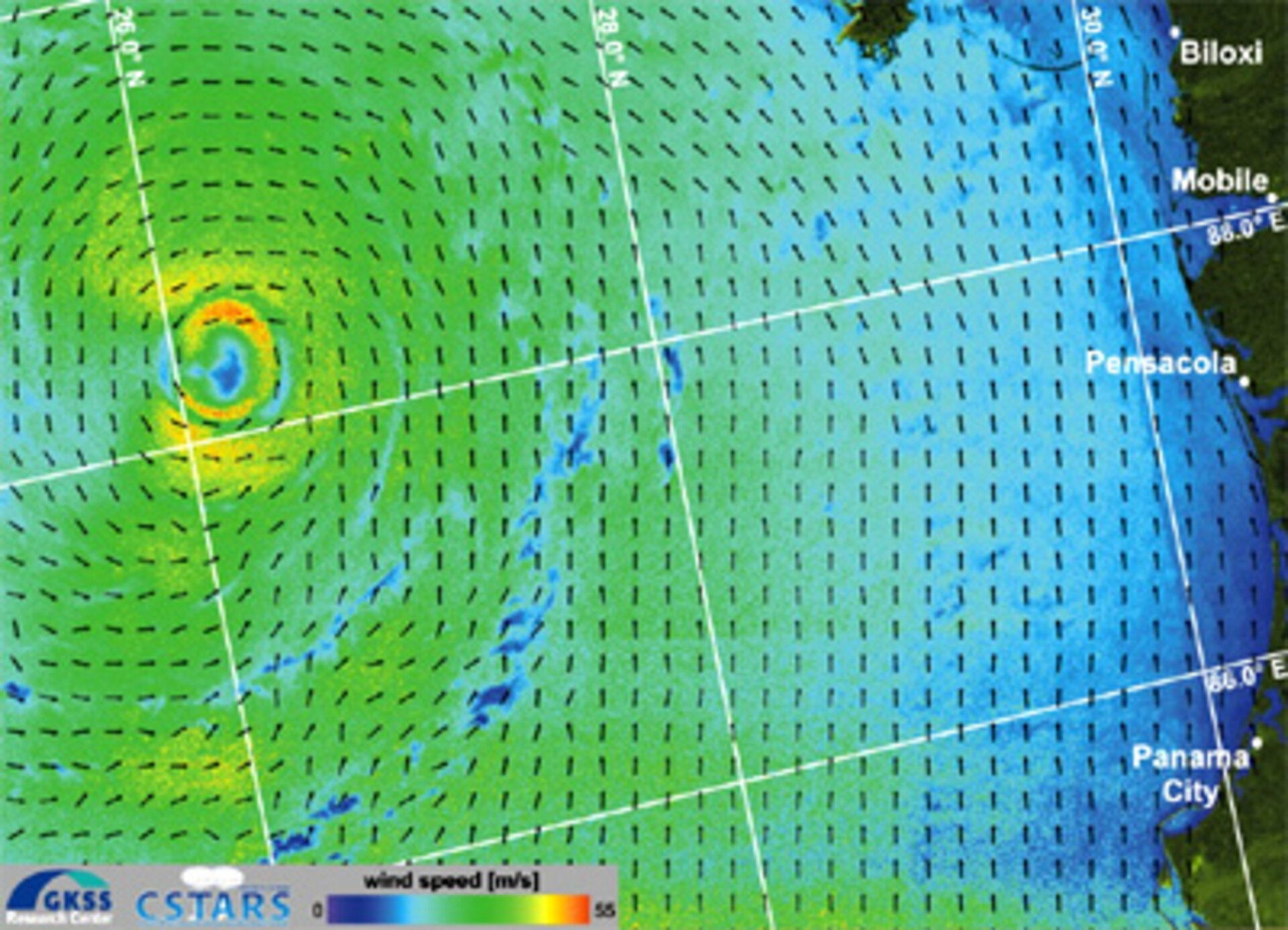
As the air spirals inward toward the center of the storm, it speeds up. Think of a figure skater pulling their arms in during a spin. Same principle! That inward spiral combined with the warm water fuel is what makes the winds get so insanely fast.
It’s really fascinating, if you think about it. Terrifying, but fascinating!
The Devastation of High Winds
All this talk about speed is fun and games (sort of), but it's important to remember the real impact of those winds. They weren't just a cool weather phenomenon; they were incredibly destructive.
Winds that strong can tear roofs off houses, uproot trees, and turn debris into dangerous projectiles. Flying debris! Imagine your garbage can turning into a cannon ball.
The damage caused by the winds of Hurricane Katrina was a significant factor in the overall devastation. It’s a stark reminder of the raw power of nature.
Katrina's Legacy: Learning and Preparing
Hurricane Katrina was a wake-up call. It taught us a lot about hurricane preparedness and the importance of understanding these powerful storms.
Improved forecasting, better building codes, and more effective evacuation plans are all part of Katrina's legacy. We must understand how these storms work. If we understand how they work, we know when we need to protect ourselves.
So, next time you hear about a hurricane, remember those cheetah-fast, rollercoaster-on-steroids winds. Take it seriously, be prepared, and stay safe!
Conclusion: Respect the Wind!
Hopefully, you now have a better (and slightly more entertaining) understanding of just how fast the winds of Hurricane Katrina truly were.
They were ridiculously fast, dangerously powerful, and a force to be reckoned with. Remember to respect the power of mother nature!
So, stay informed, stay safe, and may your winds always be gentle breezes. Or, at least, not cheetah-level gusts!
Additional Notes and Important Considerations:
While the official sustained wind speed was 175 mph, it's important to remember that these are estimates. Measuring winds in the middle of a hurricane is...tricky, to say the least!
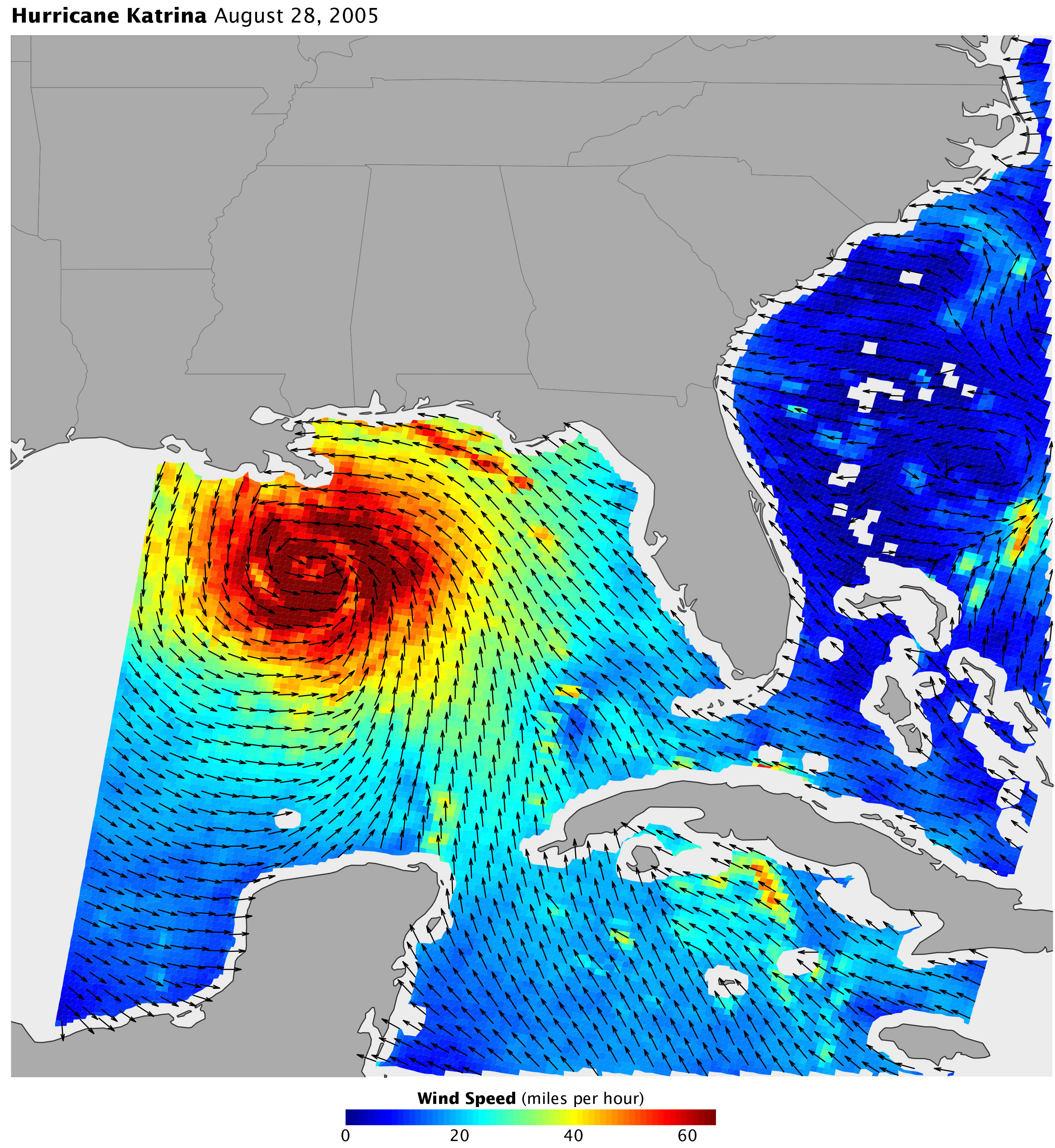
Scientists use various tools and techniques, including weather balloons, aircraft, and satellite data, to estimate wind speeds. However, there's always some degree of uncertainty.
Also, wind speeds can vary significantly within a hurricane. The strongest winds are typically found in the eyewall, the area surrounding the eye of the storm. But even within the eyewall, there can be fluctuations.
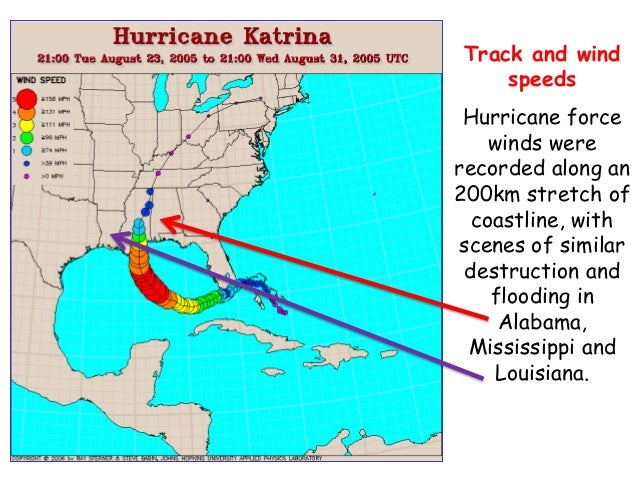
The storm surge from Hurricane Katrina caused significant problems to areas around Louisiana, Alabama, and Mississippi. While the hurricane dissipated in Kentucky, the issues caused along the Gulf coast were devastating.
Finally, it's worth noting that Hurricane Katrina was not the only hurricane with extremely high wind speeds. Other powerful hurricanes, such as Hurricane Allen (1980) and Hurricane Patricia (2015), have had even higher recorded wind speeds. These dangerous storms must be taken seriously.
Remember that while this article tries to entertain, the issues surrounding hurricanes and their affect on the population of impacted areas are important. Do your part to help those impacted by hurricanes.
Remember, knowing the speed of the winds is one thing, understanding the total impact is another. Be mindful of what these storms can do and take precautions to stay safe.