
How Fast Were The Winds In Hurricane Katrina
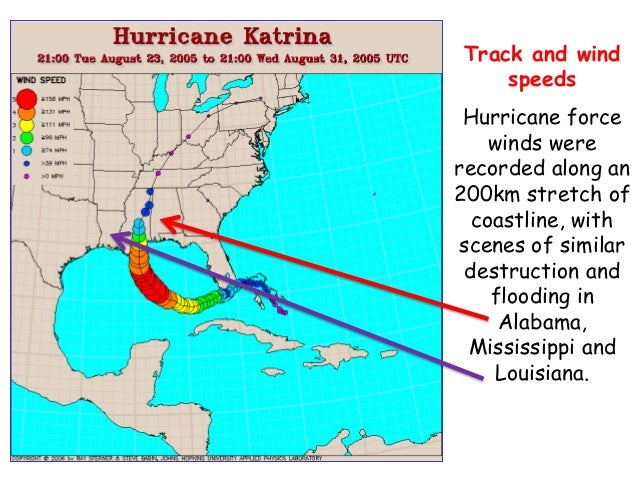
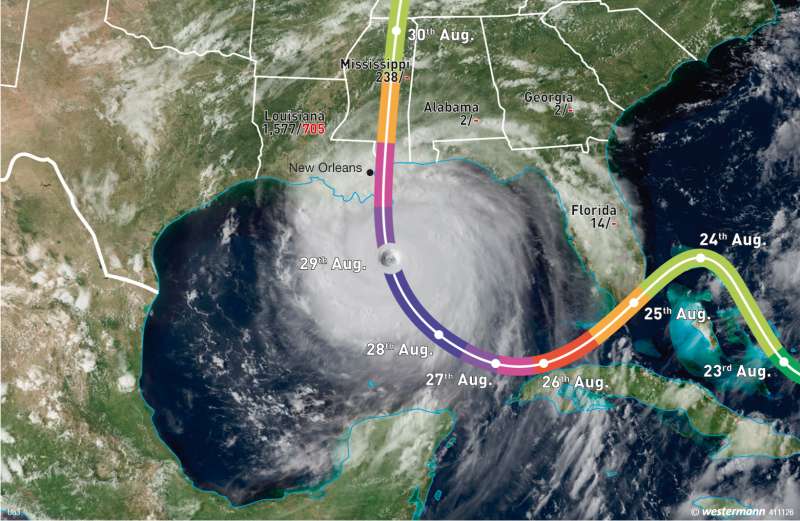
Hey, wanna talk about something wild? Let's dive into Hurricane Katrina! Yeah, the one that basically rewrote the map of New Orleans. You know, the insane storm.
But let’s get down to brass tacks: How fast were those winds? I mean, seriously, what kind of power are we talking about?
The Big Numbers: We're Talking SERIOUS Breeze
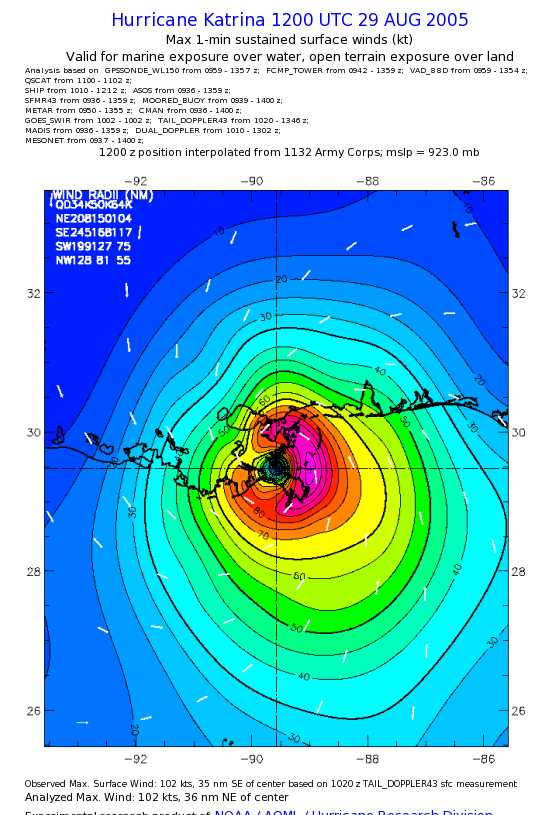
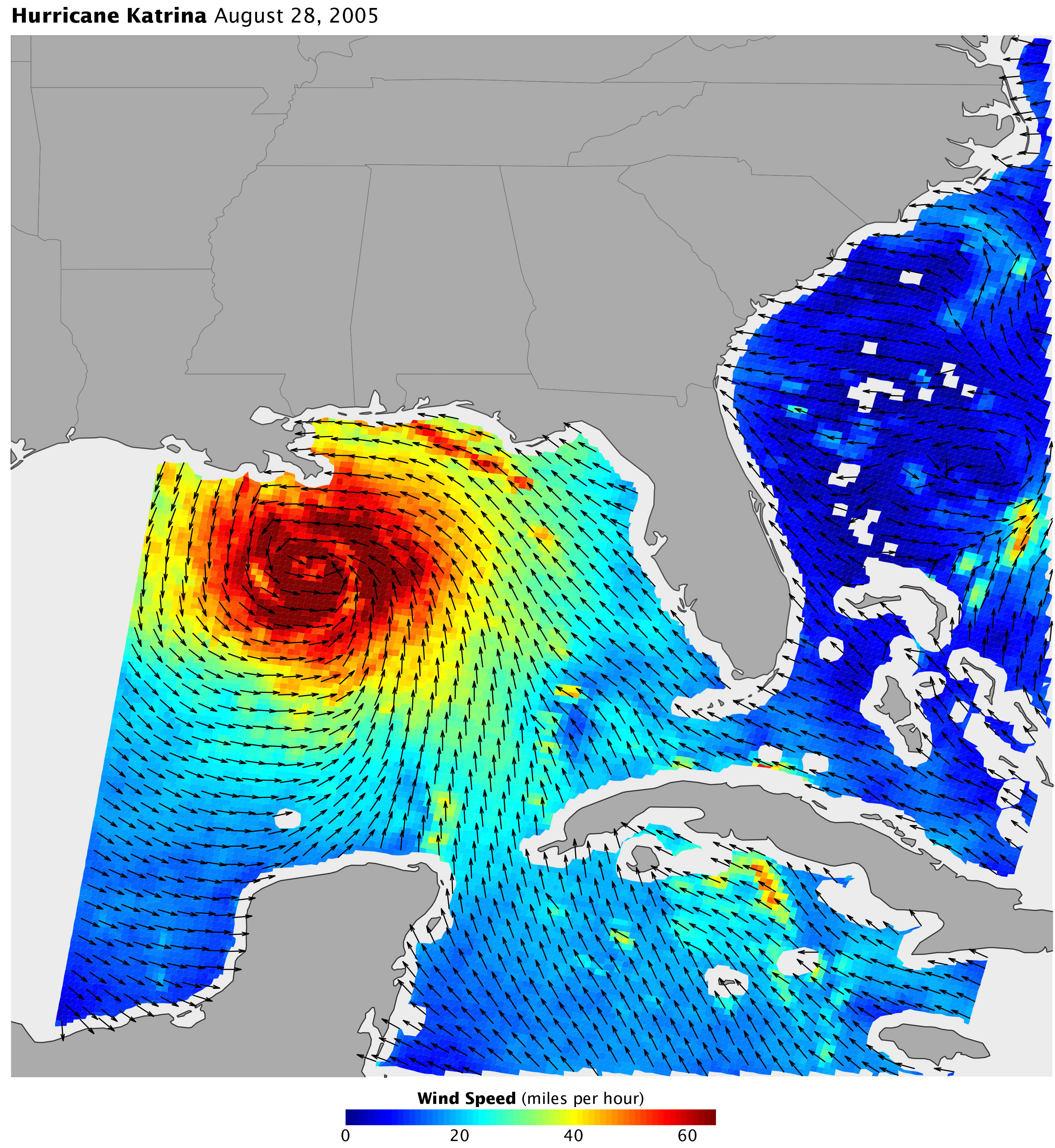
Okay, so here’s the deal. Katrina was a beast. At its peak, the sustained winds hit a whopping 175 mph (280 km/h)! Can you even imagine? That's faster than some race cars! Actually, no, it's slower, but still! CRAZY. We are talking about Category 5 levels of whoa.
Must Read
And those weren't just gusts! These were sustained, blow-your-house-down, send-your-car-flying winds. Think of it like a really, really angry hairdryer, except the hairdryer is the size of a small state and fueled by the fury of Poseidon himself. Okay, maybe not Poseidon. Weather patterns, probably. But you get the picture!
Think about trying to stand up in that kind of wind. Spoiler alert: you wouldn't. You'd be blown away like a dandelion seed. Furniture? Gone. Pets? Best to keep them inside, like, REALLY inside.
Gusts, Schmasts, What's the Diff?
Now, you might hear about "gusts" too. What are those? Imagine the sustained wind is a steady river. A gust is like a sudden, powerful surge in that river. During Katrina, gusts were even higher than the sustained winds. We're talking maybe over 200 mph in some spots. Yikes! That's enough to literally peel the paint off a building.
Why do they matter? Well, sustained winds do the consistent damage. But gusts are the "surprise attack" element. They can rip a roof off in a second, or snap a tree like a twig.
Think of it this way: sustained winds are the battering ram, gusts are the wrecking ball. Both are bad news.
Why So Fast? Let's Keep It Simple
So, what makes a hurricane's winds so intense? Basically, it's a combination of warm water and spinning air. Warm water evaporates, providing the fuel. Then, the Earth's rotation (the Coriolis effect, if you want to get fancy) makes the air spin. As the air spirals inward, it speeds up, like a figure skater pulling their arms in.
The warmer the water, the more fuel. The faster the spin, the stronger the winds. And Katrina had plenty of both.
Fun (But Terrifying) Facts
- At its widest, Katrina stretched over 400 miles. That's like driving from New York to Boston…and then driving halfway back.
- The storm surge (the wall of water pushed by the hurricane) was over 28 feet in some areas. That's like a two-story building!
- Katrina caused over $160 billion in damage, making it one of the costliest natural disasters in US history. Ouch.
- Some people used surfboards…IN the streets of New Orleans. Not exactly the ideal surfing conditions, but hey, gotta make the best of it, right? Okay, maybe not. Stay safe, kids!
Why This Matters (Even Though It's Kinda Fun to Talk About)
Okay, so talking about hurricane wind speeds might seem like just geeky weather chatter. But it’s important. Understanding the sheer power of these storms helps us prepare for them. It informs building codes, evacuation plans, and disaster relief efforts.
The stronger the wind, the stronger the precautions we need to take. It's that simple.
/cloudfront-us-east-1.images.arcpublishing.com/gray/M6CBCU4GUJBEVOJBB5LVTUSOQU.png)
And, let's be real, knowing the science behind these monstrous forces of nature is just plain cool. Mother Nature is a powerful force to be reckoned with, and understanding her power, even in a small way, is awe-inspiring.
Plus, next time a hurricane is brewing, you can casually drop some knowledge bombs about sustained winds and gusts. Instant weather expert status achieved!
So, yeah, Hurricane Katrina. One seriously windy, unforgettable, and ultimately tragic event. But understanding its power is the first step in preparing for the future. Now, go forth and impress your friends with your newfound hurricane knowledge!