How Fast The Wind Is Blowing
Have you ever stepped outside and felt a gentle kiss of air on your cheek, or perhaps struggled to hold onto your hat as nature decided to flex its muscles? That's the wind, and understanding how fast it's blowing is surprisingly fun, incredibly useful, and popular for many reasons! It's not just about knowing if you need a jacket; it's about appreciating one of Earth's most dynamic forces, a silent sculptor of landscapes and a powerful player in our daily lives.
So, why bother knowing the wind speed? The benefits are immense and touch many aspects of our lives. For starters, it's crucial for safety. Knowing if a strong gust is expected can help you secure loose outdoor items, or even decide if it's safe to be on water or up a ladder. It's also vital for planning: thinking of a picnic? A gentle breeze is lovely. A moderate gale? Maybe rethink the potato salad. For farmers, wind speed affects everything from crop irrigation to the spread of pesticides, while for pilots and sailors, it's literally a matter of navigation and survival.
Beyond the practical, understanding wind speed fuels our hobbies and passions. Kite flyers and windsurfers live for the perfect gust, while golfers know a crosswind can make or break a shot. It's also a cornerstone of weather forecasting. Meteorologists use precise wind data to predict storms, track patterns, and deliver crucial daily updates. And let's not forget the booming world of renewable energy, where wind turbines harness this invisible force to power our homes, making its measurement critical for energy and environment.
Must Read
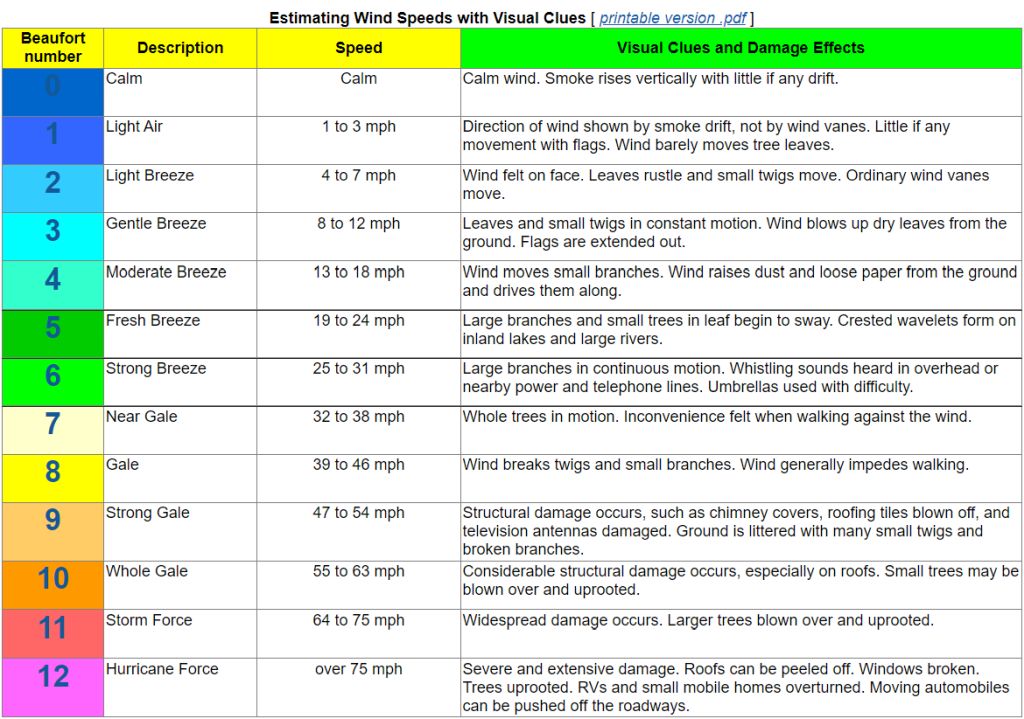
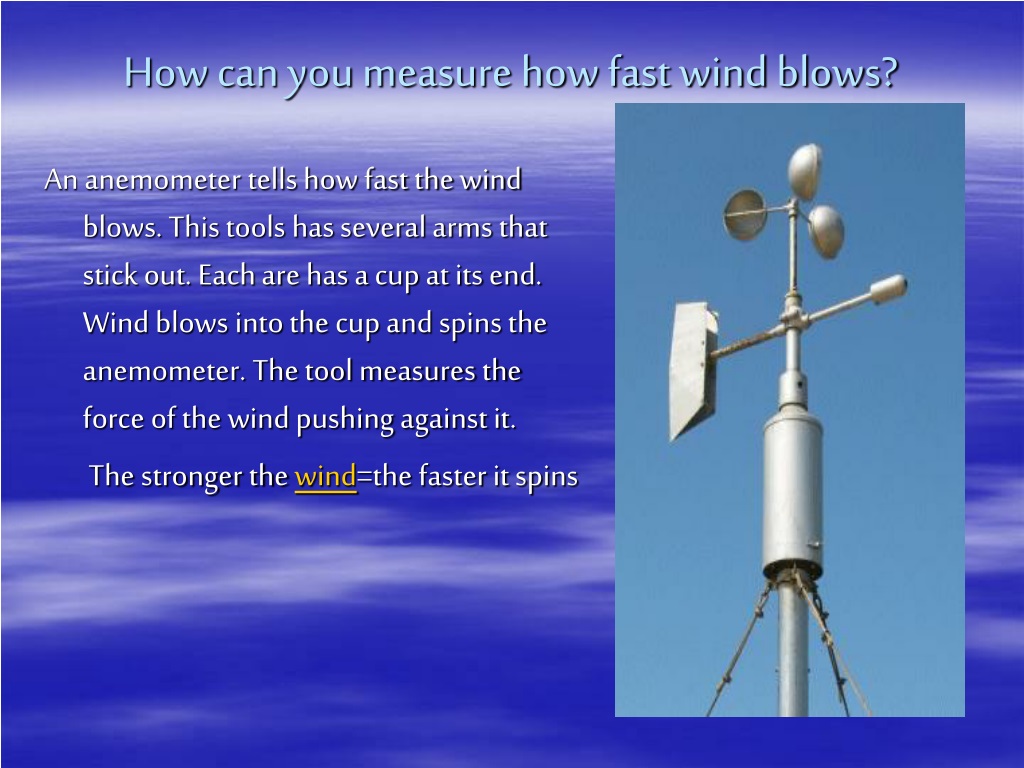
How do we actually measure this invisible force? The classic tool is an anemometer, a device with spinning cups that calculates speed based on rotation. But even without high-tech gadgets, we can make pretty good estimates! The Beaufort Wind Scale is a brilliant example, developed centuries ago. It describes wind strength based on observable effects – from smoke rising straight (calm) to trees swaying (fresh breeze) and beyond. It’s a wonderful reminder that nature itself provides clues.
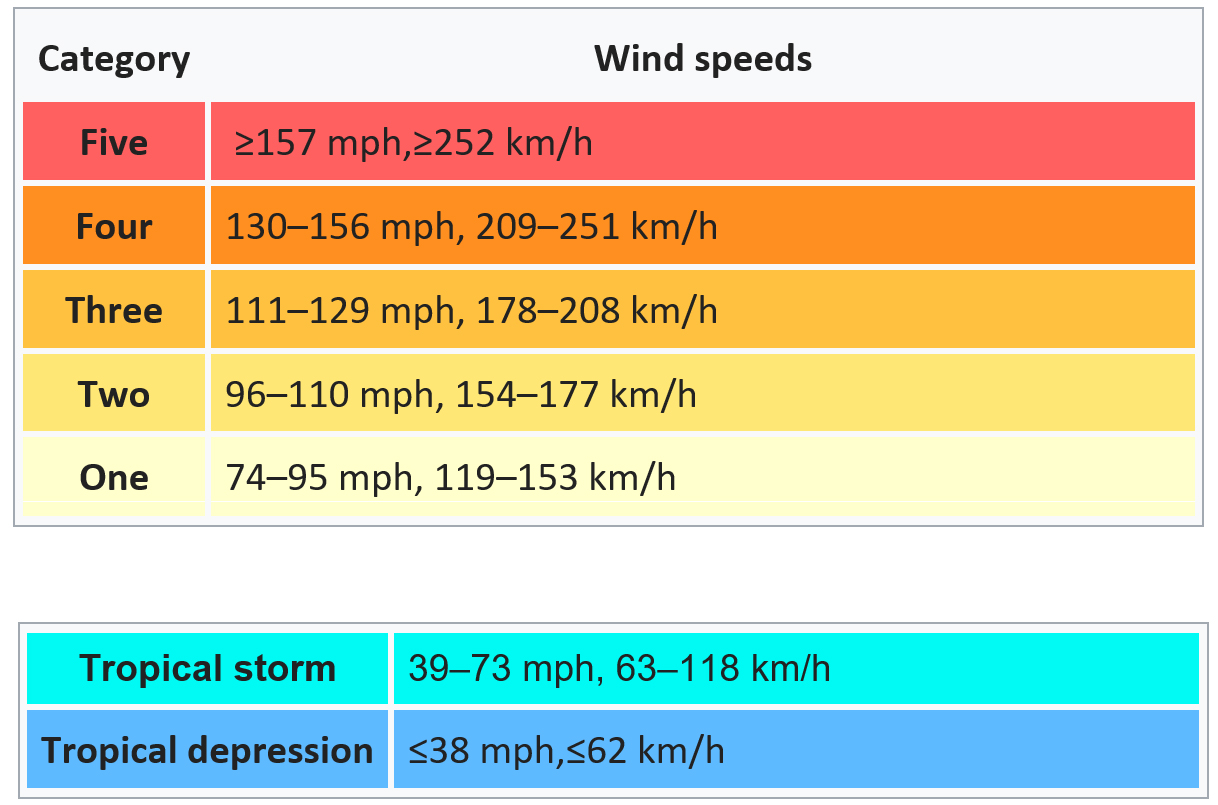
Consider the dramatic range of wind speeds. A "light air" at 1-3 mph barely rustles leaves, perfect for a gentle stroll. A "fresh breeze" at 19-24 mph starts to make small trees sway, perhaps a good day for sailing. But reach "strong gale" territory at 47-54 mph, and you're looking at significant structural damage. When the wind hits 74 mph or more, it officially becomes a hurricane-force wind, capable of widespread devastation. This immense spectrum highlights how profoundly wind speed can impact our world, from a pleasant cooling sensation to a destructive force.
Ultimately, paying attention to how fast the wind is blowing connects us more deeply to our environment. It empowers us to make better decisions, appreciate the subtleties of nature, and marvel at the sheer power of our planet. So next time you feel a gust, take a moment to consider its speed – it’s a tiny, powerful insight into the world around you!