How Fast Should You Go In 4wd
Ever found yourself staring down a dusty track or a sandy beach, engine purring, and wondering, "How fast should I actually be going in my 4WD?" It's a common thought, and a really fun one to explore because it touches on the very heart of off-road adventure! Getting the speed right isn't just about showing off; it's about safety, enjoyment, and keeping your beloved 4x4 in one piece. It's a popular topic because mastering your speed unlocks so much more of the great outdoors, making every trip smoother, safer, and way more rewarding.
For beginners, understanding optimal speed is your best friend. It helps you build confidence slowly, avoid common mistakes like getting bogged down or damaging your vehicle, and most importantly, keeps you and your passengers safe. You'll learn the rhythm of your machine and the terrain without feeling overwhelmed. For families heading out, finding that sweet spot means a much more comfortable ride for everyone, fewer spills, and happier kids in the back, making those long journeys to stunning campsites truly memorable. And for the seasoned hobbyists or weekend warriors, it's about refining your technique, maintaining momentum on challenging obstacles, and truly mastering the art of off-roading, pushing your vehicle's capabilities within safe limits.
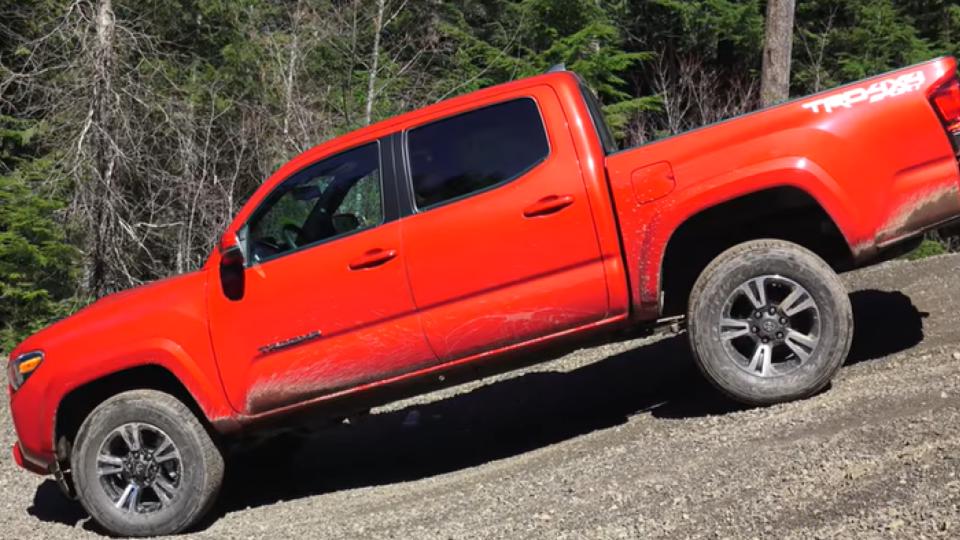
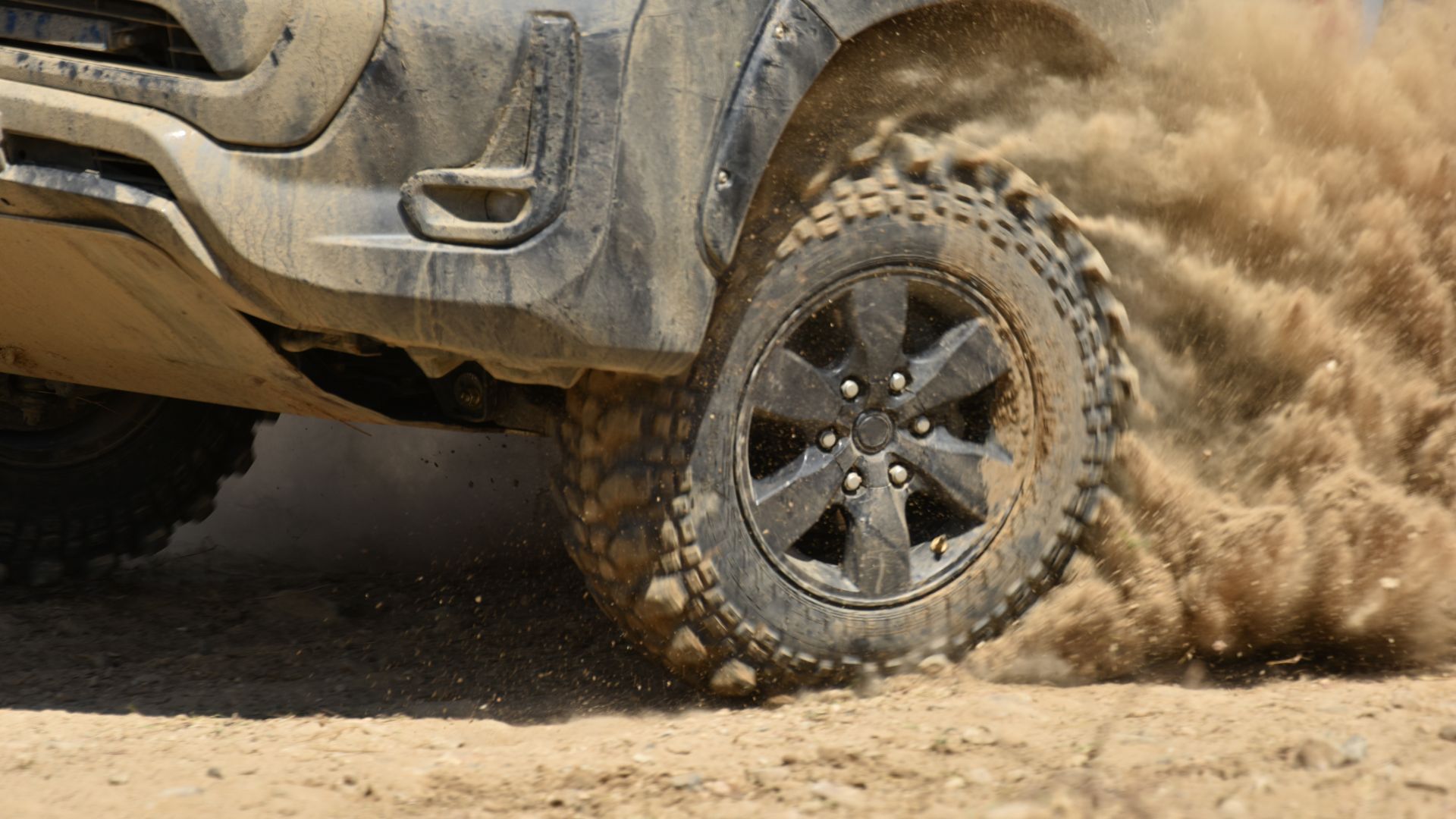
So, what does "how fast" actually look like on the track? It's all about context! Sometimes you need to go super slow, almost crawling. Think rock crawling or navigating steep, technical descents where precision is key to avoid scraping or tipping. Here, your vehicle's low-range gears are your best mates, allowing incredible control. Other times, a bit of momentum is your friend. On soft sand dunes, for instance, a steady, moderate pace often helps you float over the surface rather than digging in. The same applies to corrugated dirt roads; a slightly higher, consistent speed can sometimes smooth out the bumps, making for a much comfier ride than bumping along too slowly. But always remember, "fast" in 4WD terms is still usually a lot slower than you'd drive on a sealed road – never race or drive recklessly. Even on open dirt tracks, you need to be constantly aware of changing surfaces, wildlife, and blind corners.
Must Read
Ready to get started? Here are some simple, practical tips:
- Start Slow, Always: Begin with easy tracks and gradually increase your challenge. There's no rush!
- Look Ahead: Scan the terrain far in front of you. Anticipate bumps, holes, or changes in surface.
- Listen to Your Vehicle: Pay attention to unusual noises or how the engine is labouring. It tells you a lot.
- Adjust Tyre Pressures: Lowering tyre pressure on sand or rocks dramatically improves traction and comfort. Just remember to reinflate for bitumen!
- When in Doubt, Get Out: If a section looks too tricky, stop, get out, and walk it to assess the best line and speed.
Ultimately, getting your speed right in 4WD isn't about being the fastest; it's about being the smartest and having the most fun. It’s a skill you develop with practice, enhancing your control and confidence. So, get out there, explore responsibly, and truly enjoy the journey, one perfectly paced adventure at a time!