How Fast Should Ac Cool House

Ever walked into your house on a scorching summer day and cranked the AC down to "arctic blast" mode, only to wonder if it's really the best way to cool things down? We've all been there! It feels like a race against the sun, doesn't it? But what if I told you there’s a little secret to achieving optimal indoor comfort – one that involves understanding a bit about how fast your AC should cool your house, rather than just how fast it can?
This isn't just about technical jargon; it's about making your home a more pleasant, efficient, and even healthier place to live. Learning about this helps us become smarter homeowners, saving money on energy bills, extending the life of our appliances, and ultimately, feeling more comfortable in our own spaces. It's a fun peek behind the curtain of everyday technology, demystifying something we often take for granted.
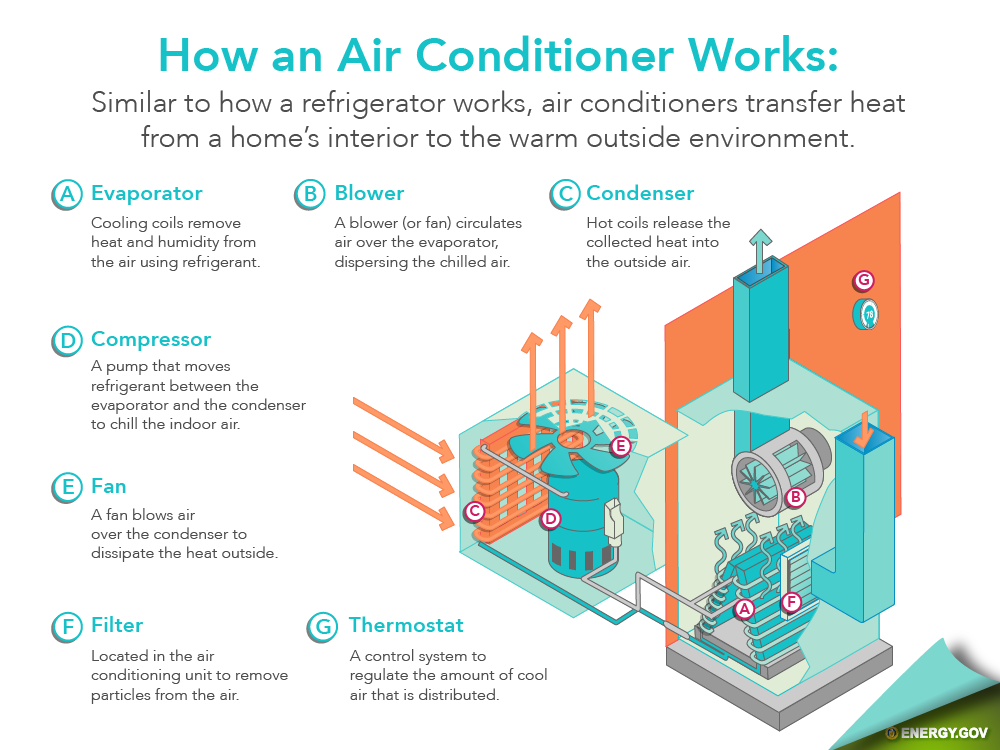
The core purpose of thinking about cooling speed isn't just to get cold; it's about achieving balanced comfort. A system that cools too quickly might bring the temperature down, but often leaves behind a sticky, humid feeling. This is because ACs do two main jobs: they remove heat (sensible cooling) and they remove moisture (latent cooling). A system that runs for an appropriate duration, not too short and not too long, can effectively handle both. The benefit? A house that feels genuinely cool and dry, not just chilly and damp. It also means your system isn't constantly cycling on and off – a process known as short-cycling – which puts immense stress on the compressor and can significantly shorten your unit's lifespan. By letting your AC run for longer, gentler cycles, you're promoting its longevity and ensuring it works smarter, not just harder.
Must Read
In our daily lives, this understanding translates directly into how we set our thermostats. Instead of aiming for a drastic 20-degree drop immediately, we might opt for a more gradual, sustained cooling strategy. For instance, if you're coming home to an 85-degree house, resisting the urge to set your thermostat to 65°F right away and instead opting for 72°F for a few hours will likely result in better dehumidification and overall comfort, and be more energy-efficient. You'll observe your AC unit running for longer, more consistent periods rather than short, intense bursts. In a broader sense, this is a practical application of basic physics and thermodynamics – understanding how energy moves and transforms. Think of it as your personal crash course in home energy management, allowing you to optimize your living environment with simple adjustments.
So, how can you explore this yourself? First, observe your AC's behavior. How long does it typically run to drop the temperature a few degrees? Does it frequently turn on and off? Second, experiment with your thermostat settings. Instead of huge temperature swings, try reducing the temperature by just one or two degrees at a time and see how long it takes to feel comfortable. Pay attention not just to the temperature reading, but to the feel of the air – is it dry and crisp, or still a bit muggy? Make sure your air filters are clean, as a clogged filter severely impedes airflow and efficiency. Finally, consider if your home has proper insulation and sealing; these factors dramatically impact how quickly and efficiently your AC can do its job. A well-sealed, well-insulated home will hold its cool longer, allowing your AC to work less intensely. By making these small observations and adjustments, you’ll not only achieve superior comfort but also foster a deeper appreciation for the intricate dance between your home and its climate control system.