
How Fast Does A Hurricane Move
Alright, let's talk hurricanes! When you hear about these colossal storms, your mind probably jumps straight to terrifying wind speeds, right? And you'd be absolutely correct to think that! But here’s a super interesting twist: the speed of a hurricane isn't just one thing. It's actually a two-part marvel, and understanding both parts can make you feel like a weather wizard! Ready to unlock some fascinating secrets of Mother Nature? Let's dive in!
The Whirling Dance: Wind Speed Inside the Storm
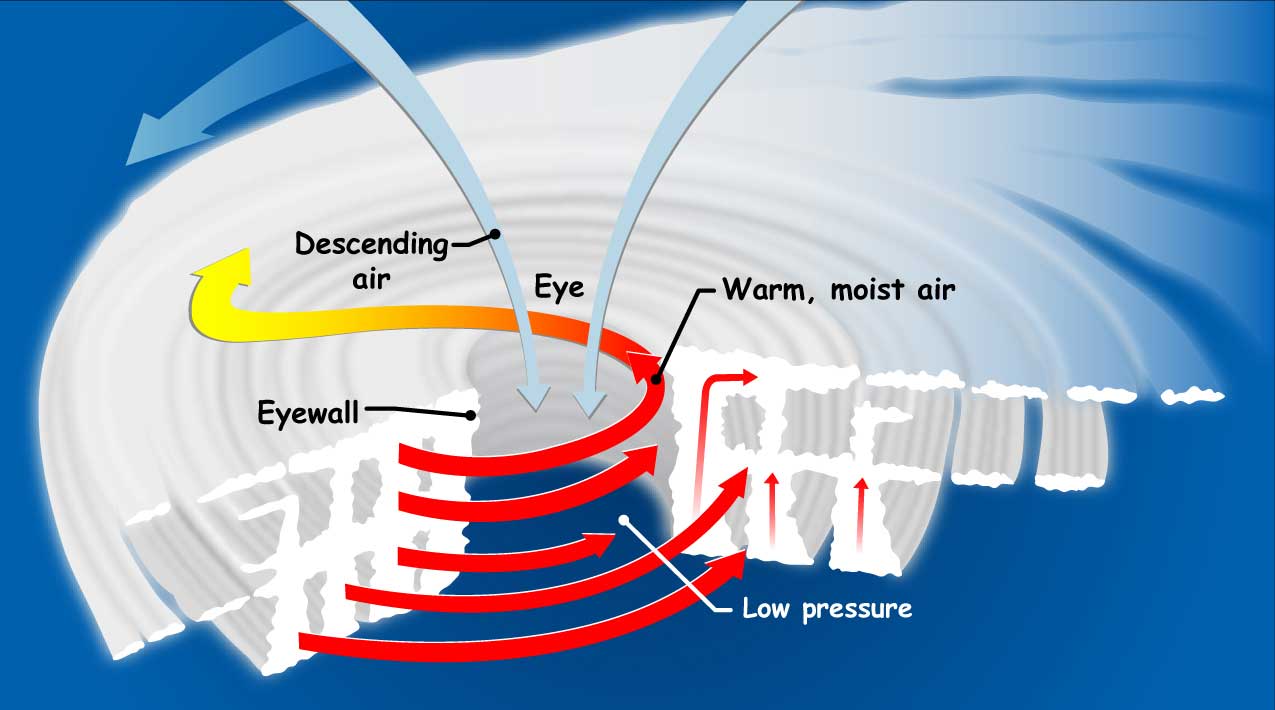
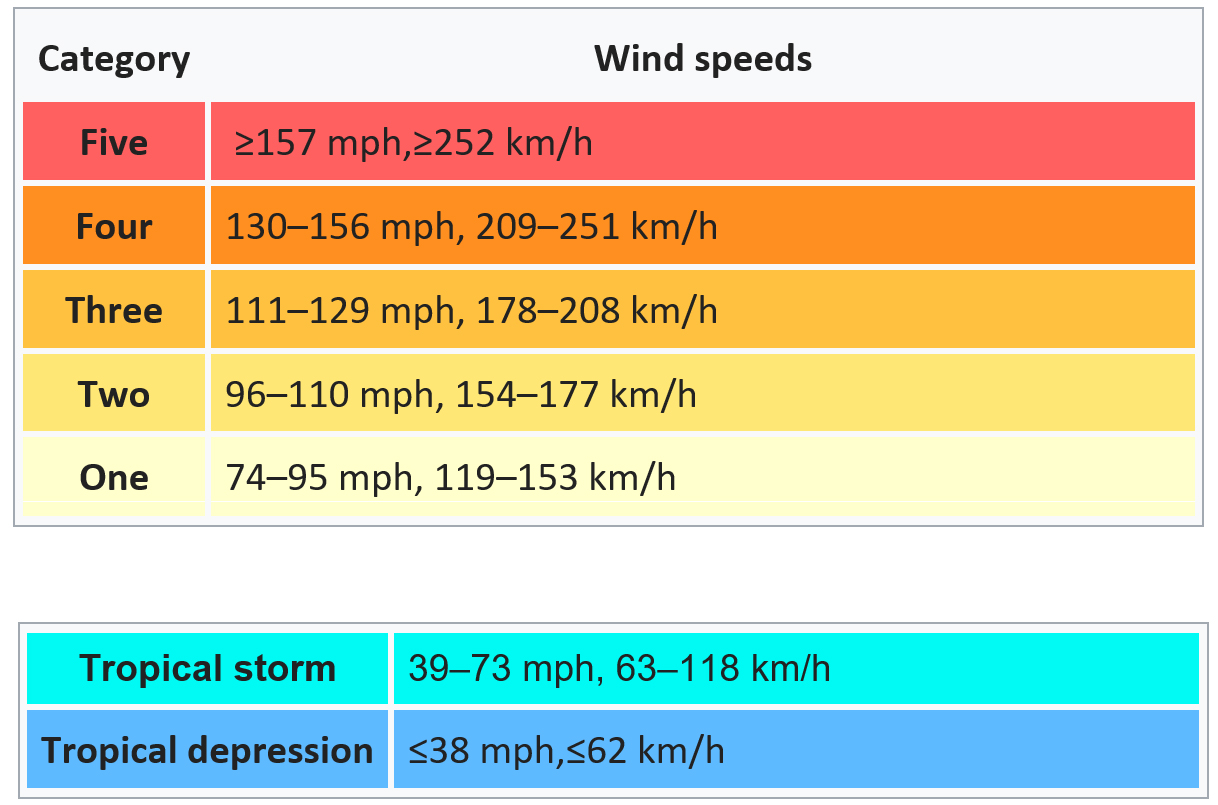
First off, let's tackle the obvious. When meteorologists talk about a Category 1, 2, or even a monster Category 5 hurricane, they're referring to the rotational wind speed within the storm itself. These are the winds that spin around the eye, the ones that cause all the powerful destruction we hear about.
We’re talking about winds that can hit:
Must Read
- Category 1: 74-95 mph (119-153 km/h)
- Category 3 (Major): 111-129 mph (178-208 km/h)
- Category 5 (Catastrophic): 157 mph (252 km/h) or higher!
Imagine that for a second! These are like a furious, swirling tornado, but on a massive scale. That's the intense, localized power that dictates the storm's category. And yes, knowing this is crucial for understanding the immediate danger.
The Great Crawl: How Fast the Entire Storm Moves
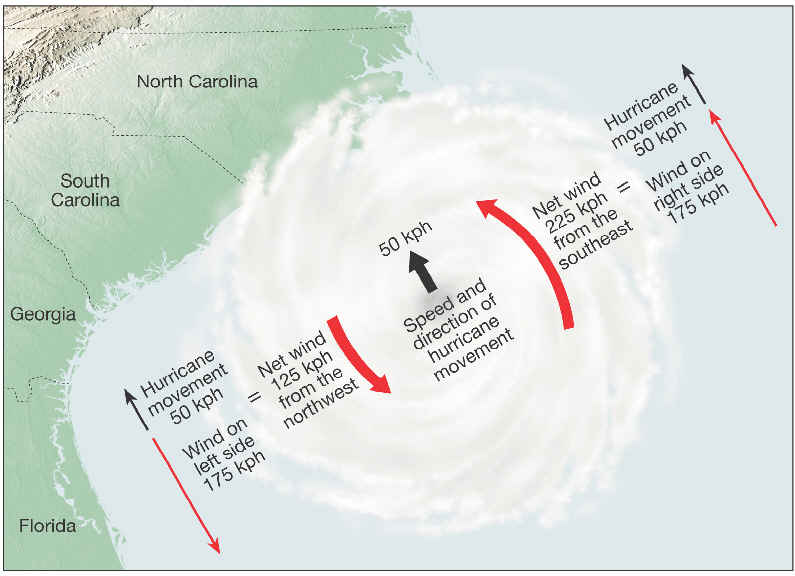
Now, here's where it gets really intriguing and often misunderstood. While those internal winds are screaming, the entire hurricane system itself is also moving across the ocean and land. This is called its forward speed or translational speed. And guess what? This speed is often surprisingly... well, slow!
Think about it like this: You can be standing still, spinning around like a dizzy kid (that's the internal winds), but the entire time, you're also slowly walking across the room (that's the forward speed of the storm). The walking speed is usually much, much slower than your spinning speed, isn't it?
Hurricanes typically chug along at speeds anywhere from 10 to 20 mph (16-32 km/h). To put that in perspective, that's often slower than the speed limit on a residential street! Sometimes they can crawl at a mere 5 mph, and other times they might pick up the pace to 30-40 mph, but those are less common.
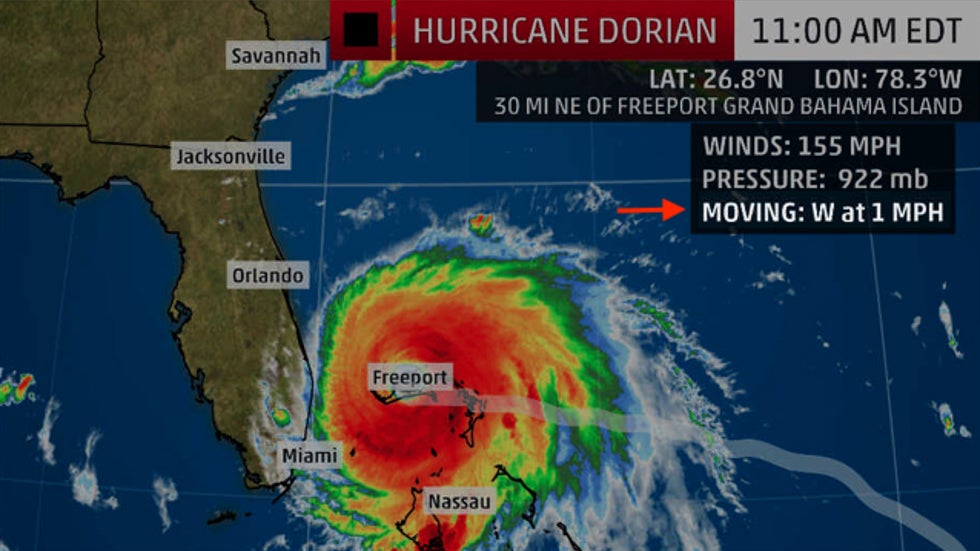
Isn't that wild? A storm with 150 mph winds can be moving at a leisurely 15 mph across the map! This distinction is super important, and here’s why understanding it makes life more interesting (and safer!).
Why Does This Snail's Pace Matter? (And How It Makes You Smarter!)
Knowing a hurricane's forward speed isn't just a fun fact; it's a key insight into its potential impact. You see, a slow-moving hurricane isn't necessarily less dangerous; in some ways, it can be even more destructive because it lingers longer.
- More Rain, More Flooding: A hurricane that crawls over an area for hours, or even days, will dump an incredible amount of rain. This leads to severe inland flooding, a major hazard that often gets overlooked in the focus on wind damage. Think about Hurricane Harvey in 2017, which stalled over Texas for days, causing catastrophic flooding.
- Prolonged Storm Surge: If a storm surge keeps pushing water inland for an extended period, the damage to coastal areas can be far more severe and persistent.
- Longer Exposure to Wind: While the winds might be moving slowly over the land, the strong internal winds are still battering structures for a longer duration, increasing wear and tear and potential collapse.
On the flip side, a faster-moving hurricane might sweep through an area more quickly, reducing the localized rainfall and duration of winds, but it also gives people less time to prepare and can spread its impact over a wider region. See? This stuff is fascinating! It's like solving a giant, dynamic puzzle.
What Steers These Giants?
So, what makes these massive systems move at their varied paces? It's all about the steering currents in the atmosphere. Think of them as invisible rivers of air high up in the sky. Hurricanes essentially get picked up and carried along by these currents, like a leaf on a stream. High-pressure systems can act like roadblocks, causing a hurricane to slow down or even stall, while low-pressure troughs can scoop them up and accelerate them.
Meteorologists are constantly tracking these atmospheric currents to predict not just where a hurricane is going, but also how fast. This is why forecasts are so crucial, giving us valuable time to prepare or evacuate. Pretty cool, right? It's like the atmosphere itself is playing a game of cosmic chess with these powerful storms.
Embrace the Curiosity!
So, the next time you hear about a hurricane, you're not just thinking about the scary wind speeds, are you? Now you're a connoisseur of hurricane dynamics, considering both the roaring internal engine and the measured pace of its journey.
Understanding these powerful forces of nature isn't just about feeling prepared; it's about appreciating the incredible complexity of our planet. It makes you look at the weather, the ocean, and even the air around you with a deeper sense of wonder. Every gust of wind, every cloud formation, becomes a clue in a grander story.
So, go forth, my friends! Let your curiosity take flight. The world is full of amazing things, and the more we learn, the richer and more empowered our lives become. Who knew hurricane speeds could be so inspiring? Keep asking questions, keep exploring, and keep marveling at the magnificent world we live in!