
How Fast Does A Hurricane Go
Okay, confession time. I once ordered a super fancy, artisanal coffee maker online. You know the kind – takes a month to ship because it's coming from some mythical land where coffee beans are hand-fed by unicorns. Anyway, I tracked that package like a hawk. It would crawl across the country, showing up in a new state every three days. I swear, my grandma on a motorized scooter could've delivered it faster. I kept thinking, "Come on, pick up the pace!" And that got me thinking about other things that move at weird, sometimes frustrating speeds. Like, say it with me... hurricanes.
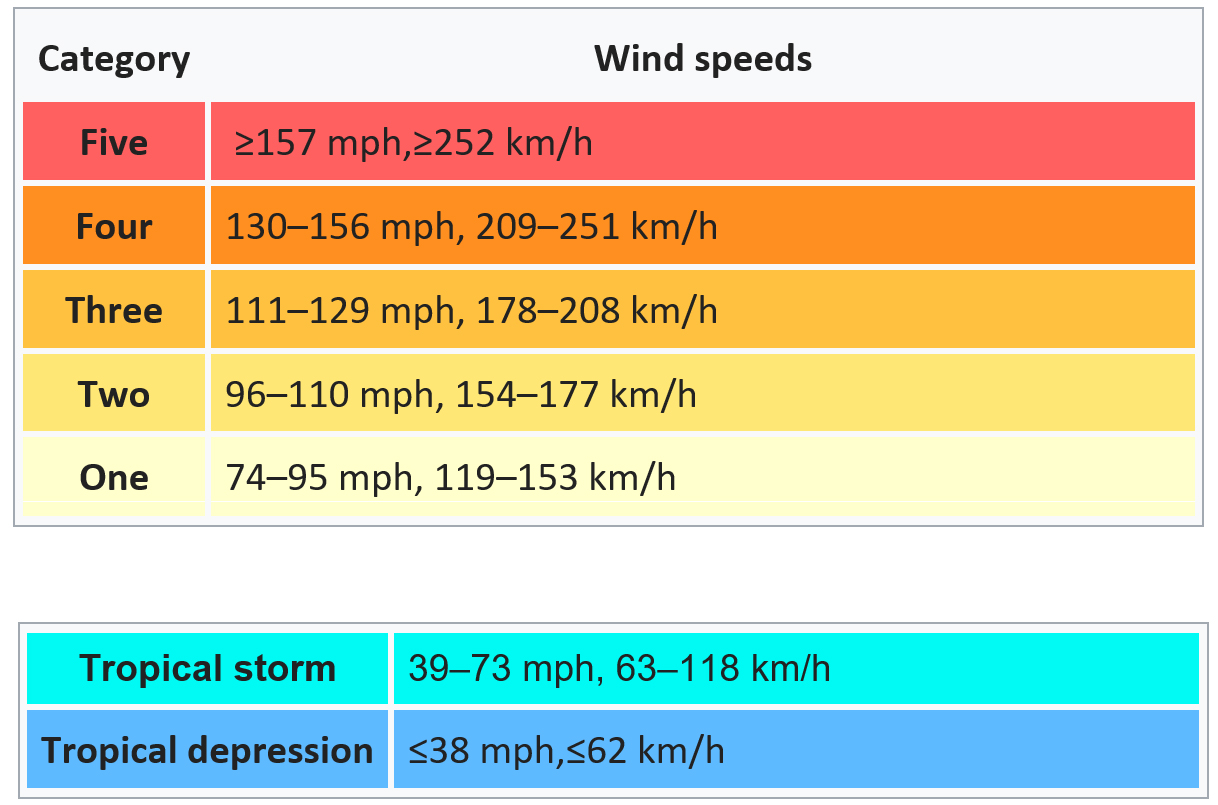
Because let's be real, when we hear "hurricane," our brains immediately jump to those terrifying wind speeds. Category 1, Category 5, "winds of 150 mph!" Shudders. But here's a secret that might blow your mind (or just lightly ruffle your hair): the truly scary wind speed isn't how fast the entire storm is actually moving across the map. Nope. We're talking about two entirely different beasts here, and mixing them up can be a real head-scratcher.
The Tale of Two Speeds: It's Not What You Think
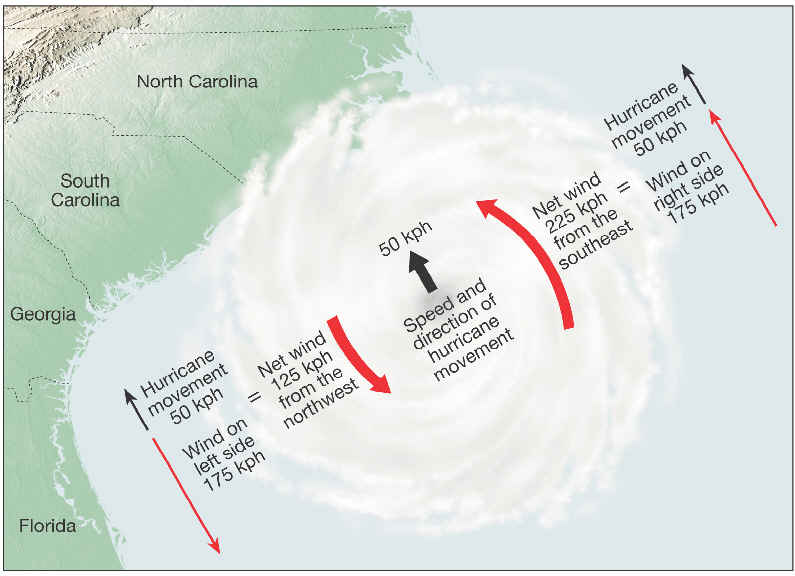
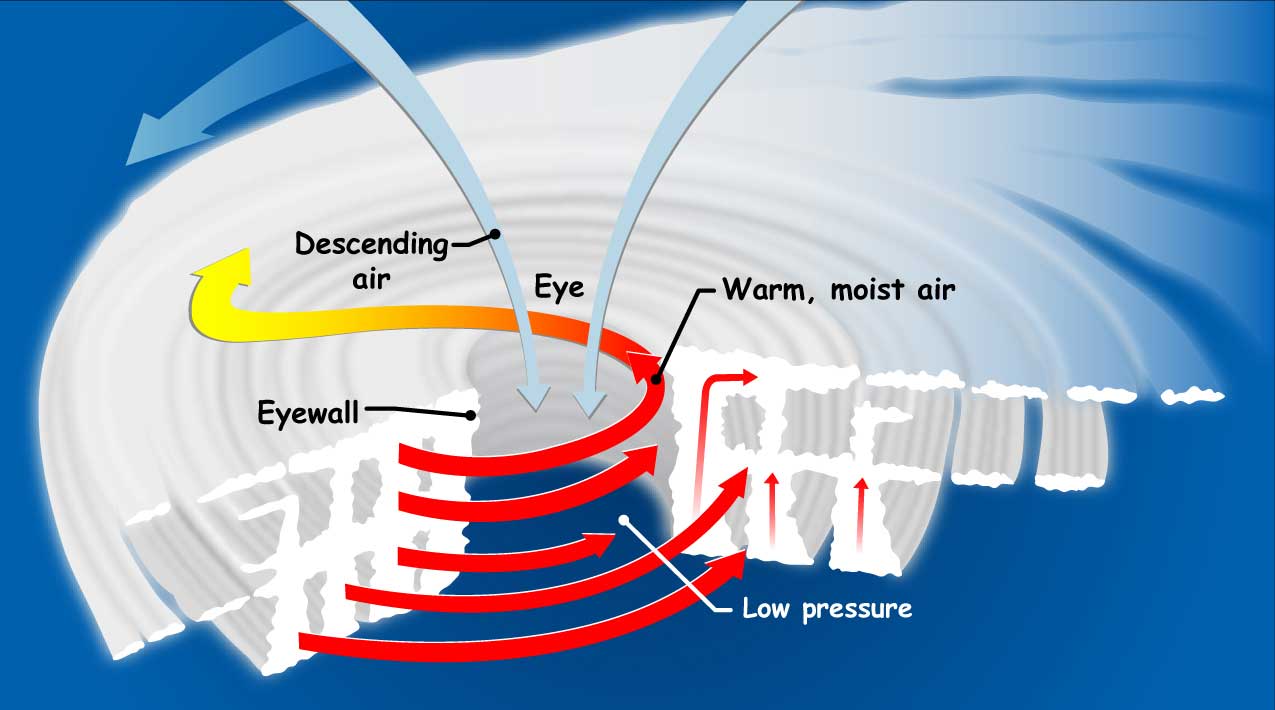
Alright, let's clear the air on this, because it's a common confusion, and frankly, it's pretty crucial. When meteorologists talk about a hurricane having "120 mph winds," they're talking about the speed of the wind within the storm itself. Imagine a giant, deadly spinning top. Those are the winds that can rip roofs off, flatten trees, and generally make a very bad day.
Must Read
But then there's the other speed. This is the one that often gets overlooked: the forward speed of the hurricane. This is how fast the entire system – that massive, rotating weather beast – is actually chugging along across the ocean or land. Think of it like this: your car can have an engine capable of 150 mph, but you're only driving it at 30 mph to the grocery store. The hurricane's forward speed is that "driving to the grocery store" pace.
And spoiler alert: this "grocery store" speed can be wildly different from its internal wind speed. A Category 5 monster with 180 mph winds internally might be creeping along at 5 mph. Or it could be hauling butt at 40 mph. Confusing, right?

The Slowpoke vs. The Sprinter: Why Some Zoom and Some Crawl
So, what dictates whether a hurricane decides to hit the gas or just putter along like it's enjoying a scenic drive? It all comes down to what's called steering currents. Picture these as invisible rivers of air high up in the atmosphere. Hurricanes are essentially slaves to these currents.
If the steering currents are weak, or if the storm gets stuck between two high-pressure systems (like a weather traffic jam), it can slow down to a crawl. We're talking 5-10 mph here. That's slower than most people jog! Remember Hurricane Harvey in 2017? It stalled over Houston, dumping mind-boggling amounts of rain. Or Hurricane Dorian in 2019, which agonizingly crept over the Bahamas, causing unimaginable devastation for days.
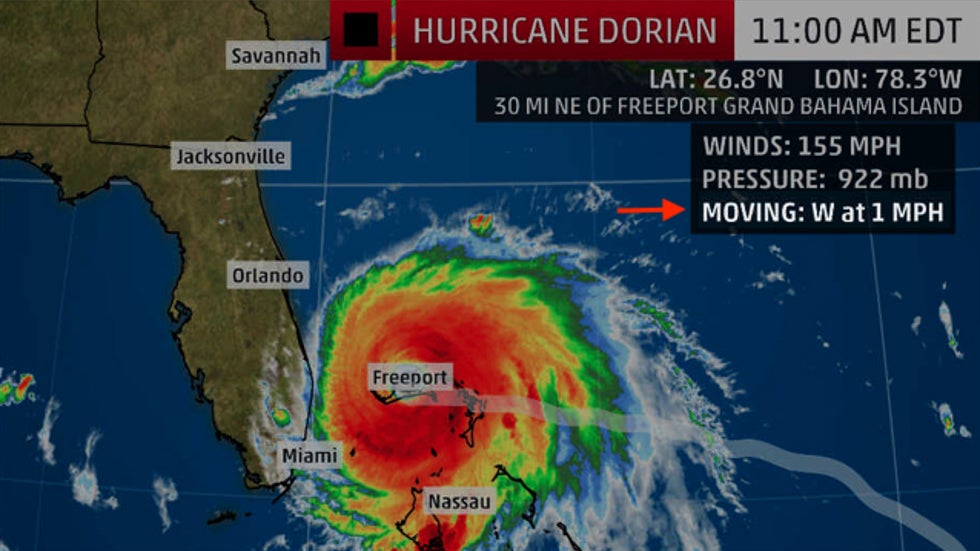
On the flip side, if those steering currents are strong and pushing it along, a hurricane can really pick up the pace, sometimes reaching 20-40 mph or even more. This isn't super common, but it happens! A faster-moving storm covers more ground quickly, which sounds good, but it also means less time for people in its path to prepare and evacuate. It's a trade-off, really.
Sometimes, storms can even change speed dramatically. A slow-moving storm might suddenly accelerate as it hits stronger steering currents, or vice-versa. It keeps meteorologists on their toes, that's for sure. And us, nervously checking our weather apps!
Why Does Forward Speed Even Matter? (A Lot, Actually)
Okay, so we know there are two speeds. But why should you care about the forward speed? Because it makes a massive difference to how impactful a storm is, even if the wind speeds are identical.
A slow-moving hurricane is often the most dangerous. Think of it like a really persistent house guest who just won't leave. The longer the storm lingers over an area, the more time it has to inflict damage. This means:
- More Rain: Days of continuous torrential rainfall lead to catastrophic inland flooding. This is where most hurricane-related deaths occur, historically.
- More Storm Surge: The longer the winds push water towards the coast, the higher and more prolonged the storm surge can be, inundating coastal communities.
- Prolonged Wind Damage: Houses, infrastructure, and even people are exposed to hurricane-force winds for extended periods, increasing structural fatigue and destruction.
Conversely, a fast-moving hurricane, while still incredibly dangerous due to high winds, tends to be less about the rain and surge in one specific spot (though still significant!). It's more about a broader swath of wind damage and can catch people off guard due to its rapid approach. The good news is, less time for continuous rain and surge build-up. The bad news? Surprise! Here it is!
So, the next time you hear about a hurricane, don't just focus on the category. Ask yourself: 'How fast is this thing actually moving?' Because that number tells a whole different, equally important story.
It's a tricky business, hurricanes. They're not just brute force wind machines; they're also travelers, sometimes at a snail's pace, sometimes surprisingly quick. Understanding both their rotational wind speed and their forward movement speed gives you a much fuller, and frankly, scarier picture of what's headed your way.
So, next time you're tracking a storm, remember my mythical coffee maker. Sometimes, the journey speed is just as important as the destination impact. Stay safe out there, folks!