How Fast Can A Hurricane Move
We humans are a curious bunch, aren't we? Whether it's the majesty of a towering mountain or the mesmerizing power of a raging river, there’s an inherent fascination with the forces that shape our world. And few things command our attention quite like a hurricane. It's not about "enjoying" these colossal storms, of course, but about a deep-seated desire to understand them – to grasp their immense power, to track their movements, and crucially, to know just how fast they can move.
This curiosity isn't just academic; it serves a vital purpose in our everyday lives. Knowing a hurricane’s forward speed isn't just a fascinating tidbit; it's a cornerstone of disaster preparedness. Imagine needing to evacuate an entire coastal town. The difference between a storm crawling at 5 miles per hour and one zipping along at 30 mph can literally mean the difference between life and death. It dictates how much time communities have to prepare, how quickly emergency services can respond, and ultimately, how effectively we can protect homes and families. Meteorologists, emergency managers, and even concerned citizens rely on this crucial data to make informed decisions.
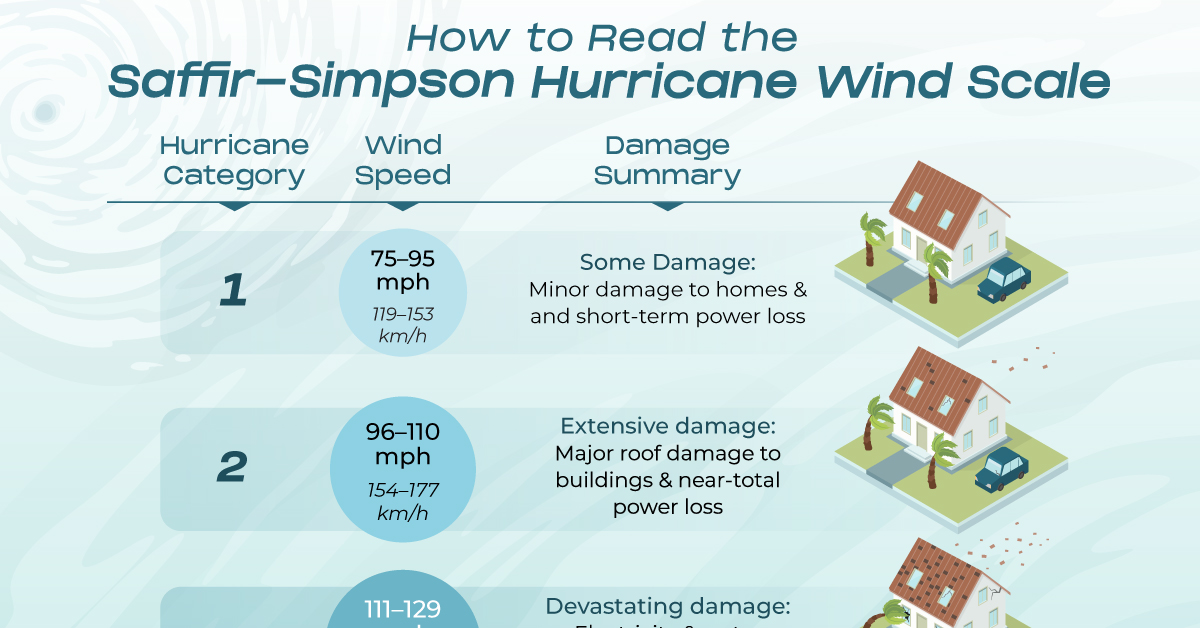
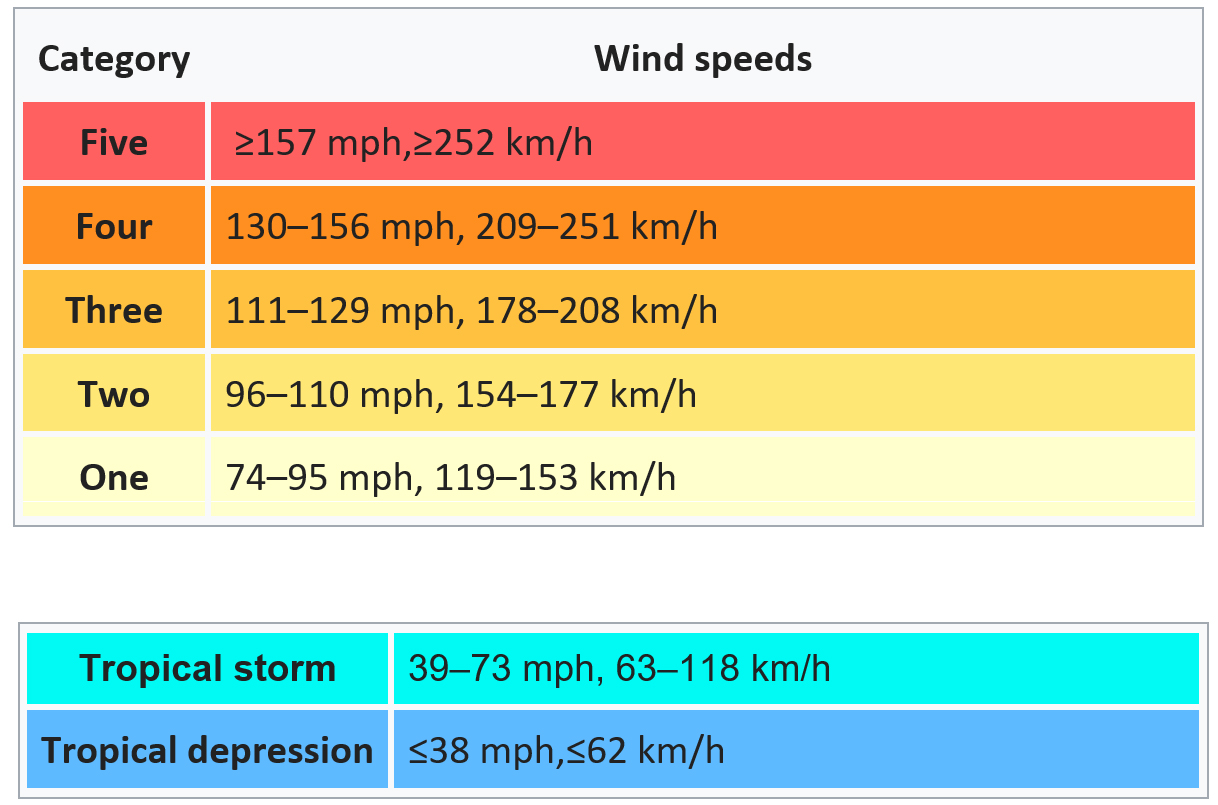
So, what are we talking about when we discuss a hurricane’s speed? It's important to clarify that we're talking about its forward speed – how quickly the entire storm system is moving across the ocean or land – not its internal wind speed, which is what categorizes a hurricane (Category 1, 2, 3, etc.). These two speeds can be wildly different! Typically, hurricanes drift along at a leisurely pace, often between 10 and 20 miles per hour, roughly the speed of a slow bicycle ride or a brisk jog. This allows them to churn through an area, unleashing prolonged periods of heavy rain and destructive winds.
Must Read
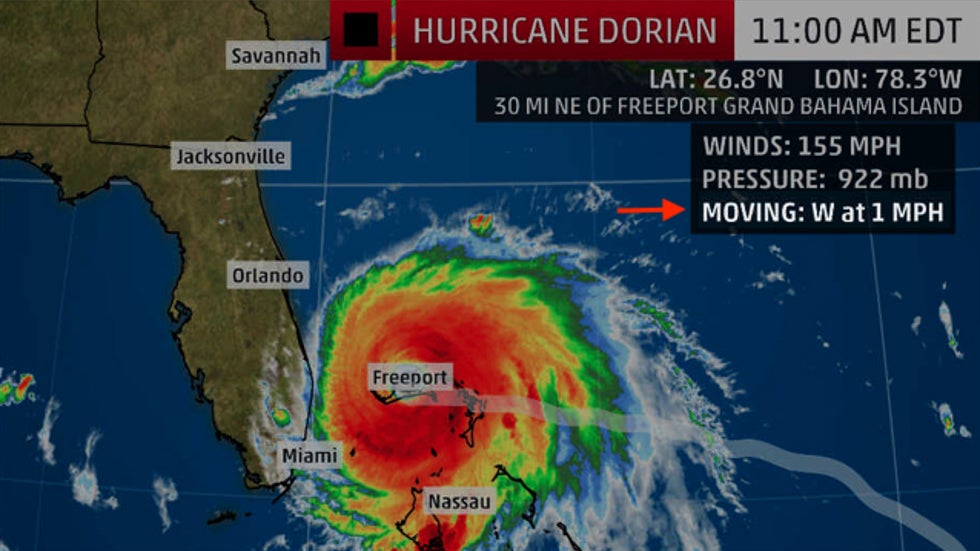
But they aren't always so sedate. Some hurricanes become real speed demons, occasionally accelerating to 40 or even 50 miles per hour. These storms can be tricky, arriving with little warning and surprising unprepared communities. Conversely, some hurricanes become agonizingly slow-movers, barely inching along at 5 mph or less. Think of Hurricane Harvey in 2017, which stalled over Texas, dumping catastrophic amounts of rain due to its molasses-like pace. Or Hurricane Dorian in 2019, which crept over the Bahamas, causing prolonged devastation.
To engage with this powerful knowledge more effectively and ensure you’re always prepared, here are a few practical tips. Firstly, always remember the distinction: forward speed (how fast the storm moves) versus wind speed (how strong its winds are). A slow Category 1 hurricane can be far more dangerous than a fast-moving Category 3 if it lingers and dumps massive amounts of rain. Secondly, always consult reliable sources like the National Hurricane Center (NHC) or your local meteorologists. They provide the most accurate, up-to-date information. Finally, focus not just on the storm's projected path, but on its potential impacts – the combination of wind, rain, and storm surge. Understanding a hurricane’s speed is a crucial piece of the puzzle, empowering us to face nature’s most formidable storms with knowledge and preparedness.