
How Far Does Generator Need To Be From House
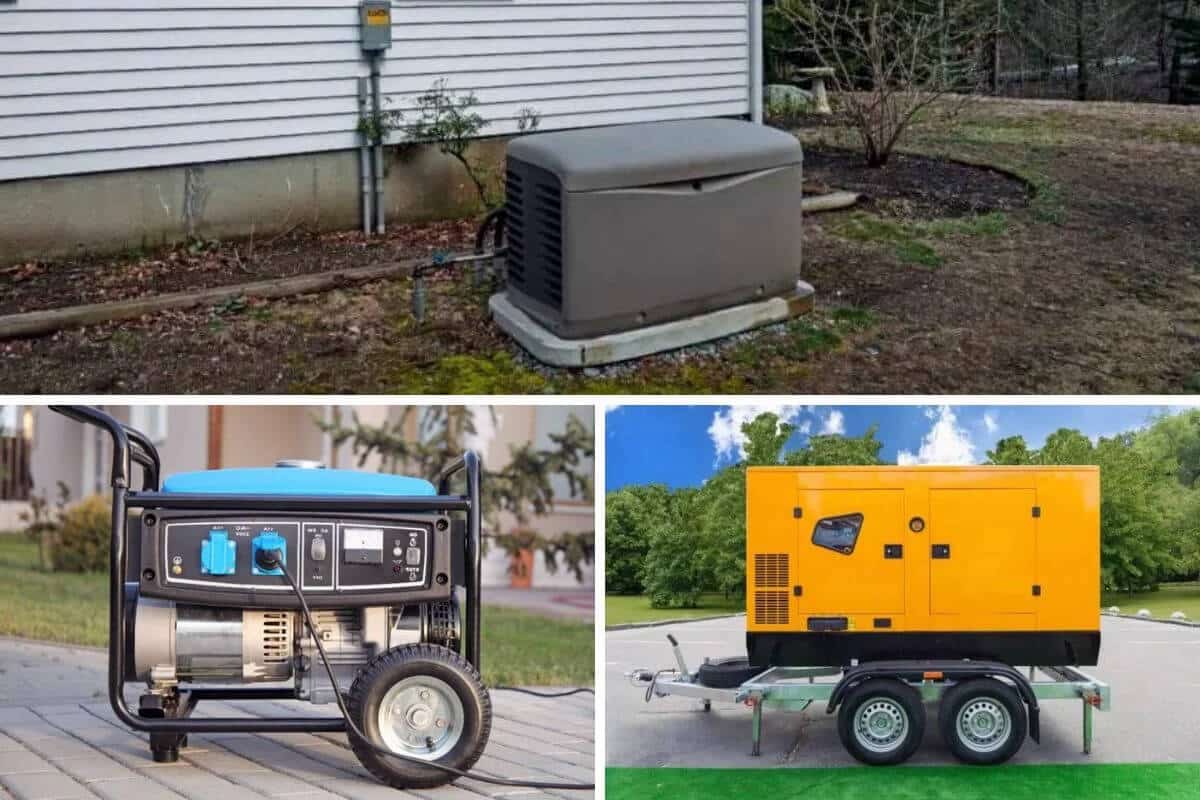
Okay, let's talk generators. Not exactly the sexiest topic, right? But trust me, this is crucial. Especially when the power grid decides to take an unscheduled vacation.
The big question: How far away does that noisy beast really need to be from my house? The internet screams ten feet. My neighbor, Earl, swears by twenty. I'm here to tell you, there's a better way.
The "Official" Answer (and Why It's Baloney)
You'll find a lot of "experts" online. They'll tell you about carbon monoxide. They'll lecture you about fire hazards. Blah, blah, blah.
Must Read
Yes, those things are important. But are they really important enough to dictate where I put my generator? Unpopular opinion: probably not.
Ten feet, they say! As if carbon monoxide is some kind of laser beam that only travels exactly ten feet and then poof! Vanishes. Give me a break.
My Unpopular Opinion: Common Sense Trumps Rules
Look, I'm not advocating for reckless endangerment. Let's be clear. But I am suggesting we use our brains.
First, consider the wind. Does it usually blow towards your house? Then, yeah, maybe ten feet isn't enough. Does it mostly blow away? Well, now we're talking.
Second, think about your windows and doors. Are they hermetically sealed? Or do they leak air like a sieve? The leakiest house in the world might warrant a bit more distance.
Third, are you running this generator 24/7? Or just for a few hours during a power outage? A short burst is different from a marathon.
Fourth, do you have a carbon monoxide detector? Actually, get a couple. They're cheap. They could save your life. This is not optional.
So, ditch the rigid rules. Embrace the nuance. It is time to think like an adult.
Where I Put My Generator (Don't Tell OSHA)
Full disclosure: my generator sits about seven feet from my back door. Seven! I know, I know. I'm a rebel.
But here's why. My back door is rarely used. The prevailing winds blow away from the house. And I have carbon monoxide detectors galore.
Plus, let's be honest, I'm lazy. Dragging that thing twenty feet across the yard every time the power goes out? No thanks. Convenience matters, people.
The Noise Factor: A Legitimate Concern
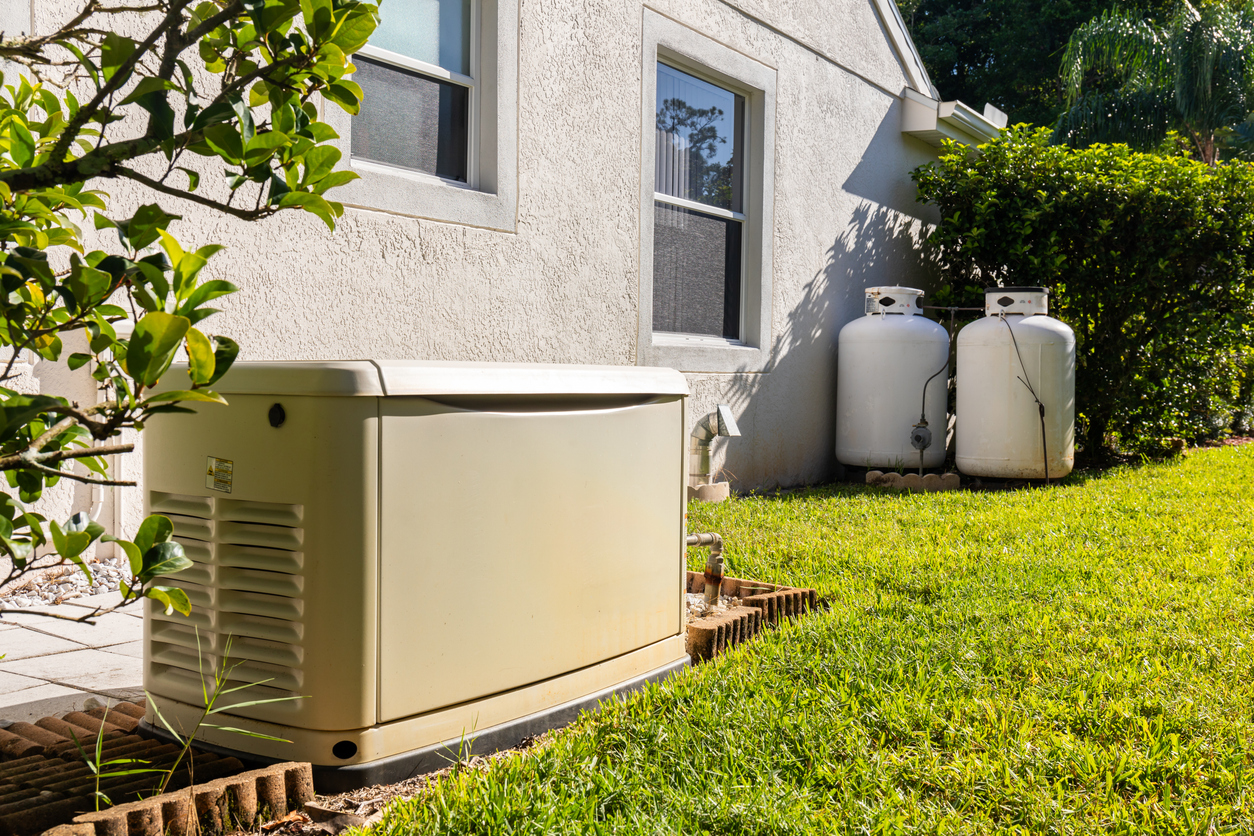
Okay, carbon monoxide isn't the only thing to consider. There's also the noise. Generators are loud. Like, really loud.
My neighbor Earl, the one with the twenty-foot rule? He also hates noise. He once complained about my wind chimes. (True story.)
So, yeah, think about your neighbors. And your own sanity. Maybe put the generator behind a shed or some bushes. Soundproofing can go a long way.
Consider this though: You could buy a quieter generator. They're pricier, but worth it if you value peace and quiet. Imagine, you will have the ability to have quiet, precious quiet.
Dealing with the Extension Cord Conundrum
The further away your generator, the longer your extension cord needs to be. This is a pain. Long extension cords are expensive. They're also a tripping hazard.
Plus, the longer the cord, the less efficient it is. You lose power along the way. It's like trying to drink a milkshake through a mile-long straw. Good luck with that.
So, factor in the extension cord length when deciding on placement. It makes a difference. It will be the difference between a successful backup, and a failed one.
The "Transfer Switch" Option (For the Fancy Folks)
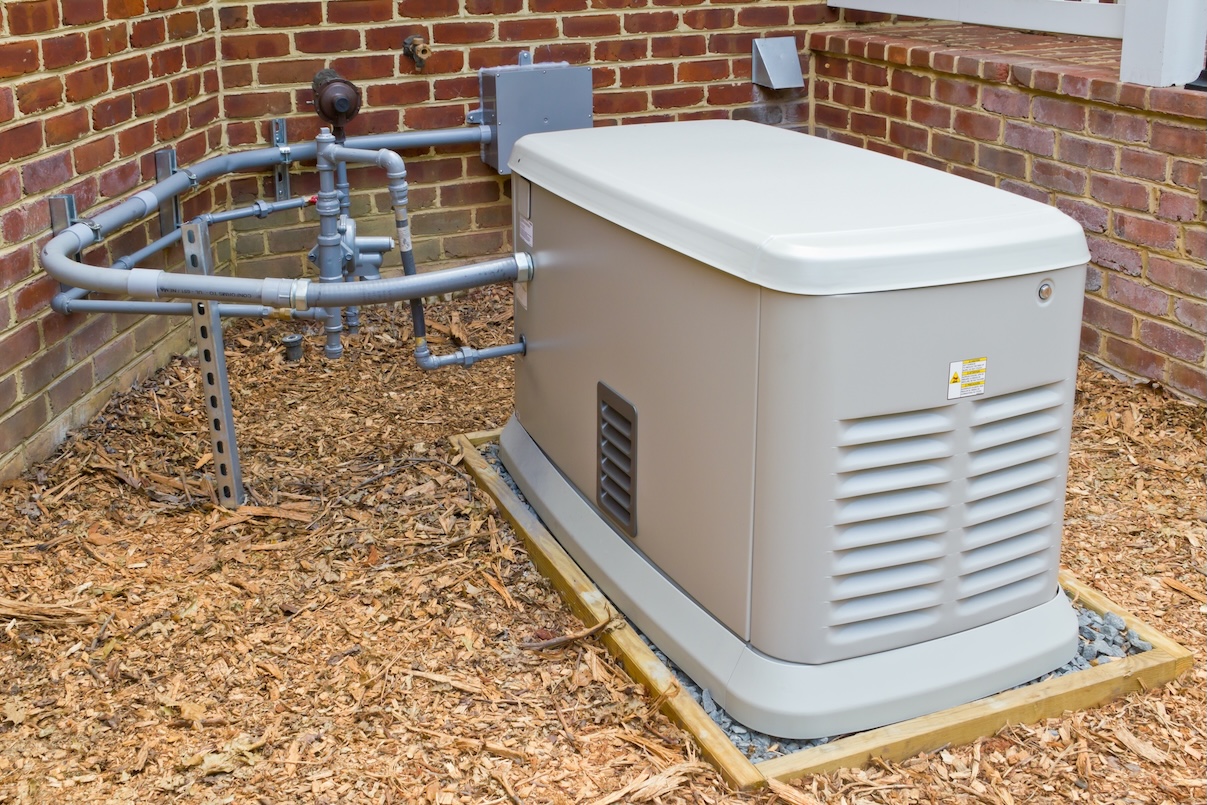
If you're serious about backup power, consider a transfer switch. This is a professionally installed device that connects your generator directly to your home's electrical system.
No more extension cords! No more running around in the dark! Just flip a switch and boom! Power. This thing is like magic.
Transfer switches are expensive. They require an electrician. But they're the safest, most convenient way to use a generator. And Earl can't complain about the cord placement!
Location, Location, Location (Within Reason)
Ultimately, the "right" distance depends on your specific situation. There's no one-size-fits-all answer. Sorry to disappoint the rule-followers.
Consider the wind. Think about your windows. Factor in the noise. Weigh the convenience. Use your head.

And for heaven's sake, get a carbon monoxide detector. Actually, make that two. Or three. Can't be too safe, people. I'm serious here.
Here's a cheat sheet! Pick a flat, level surface, away from flammable materials. Keep it dry, and protected from the elements as much as possible.
Let's Recap. Here's what to remember:
- Distance isn't everything. Don't blindly follow the "ten-foot rule."
- Common sense is key. Assess your own situation.
- Safety first (duh!). Carbon monoxide detectors are mandatory.
- Noise matters. Be a good neighbor.
- Convenience counts. Don't make it harder than it needs to be.
So, there you have it. My somewhat controversial, but hopefully helpful, guide to generator placement.
Now go forth and conquer those power outages! And maybe send Earl some earplugs. Just kidding (mostly).
Remember, I am not an expert and you should contact a professional. I'm just a guy with a generator and a very strong opinion! Good luck!