
How Far Away Should A Generator Be From A House
Okay, folks, let's talk generators! Not the kind that power entire cities (though those are cool too!), but the kind that keep your lights on when Mother Nature throws a tantrum. We’re diving into the age-old question: How far away should that trusty power source be from your beloved home?
The short answer? Ideally, at least 20 feet. But like a perfectly ripe avocado, there's more to it than meets the eye. Think of it this way: you wouldn’t want your neighbor's overly enthusiastic karaoke night happening right next to your bedroom window, would you? Same principle applies here.
Why the Distance Matters (and It’s Not Just About the Noise!)
First and foremost, we're talking about safety. Generators, while incredibly helpful, are essentially mini combustion engines. They produce exhaust fumes – specifically, carbon monoxide (CO). CO is odorless, colorless, and about as welcome in your house as a skunk at a garden party. Breathing in too much CO is a really, really bad idea. Think sleepy, then very, very… well, you get the picture.
Must Read
That 20-foot rule acts like a buffer zone, allowing those fumes to dissipate into the great outdoors, far away from your windows, doors, and any other sneaky openings where they might try to crash the party inside. It’s like giving the fumes a good head start on a cross-country race, ensuring they never make it to the finish line (your living room).
But What About the Prevailing Winds, You Ask?
Excellent question! You, my friend, are thinking like a seasoned generator guru. The 20-foot rule is a great starting point, but you need to consider which way the wind usually blows in your neck of the woods. Is it constantly swirling like a caffeinated hummingbird? If so, positioning the generator on the downwind side of your house becomes even more crucial. Think of it as setting up a force field against unwanted, smelly guests. Nobody wants to invite carbon monoxide into their home for a cozy get-together.

If you're not sure about your local wind patterns, observe which way the leaves tend to blow, or even hang a lightweight streamer near where you plan to place the generator. A little detective work can go a long way in ensuring a safe and comfortable environment. Remember the mantra: safety first, then backup power!
More Than Just Fumes: Noise Considerations
Let's be honest, generators aren't exactly known for their dulcet tones. They're more like that one uncle who always tells the same loud story at every family gathering. Twenty feet helps with the noise, too! It creates a little bit of distance between the engine's rumble and your sanity. Imagine trying to binge-watch your favorite show with a constant "vroom-vroom-vroom" soundtrack – not exactly relaxing, is it?
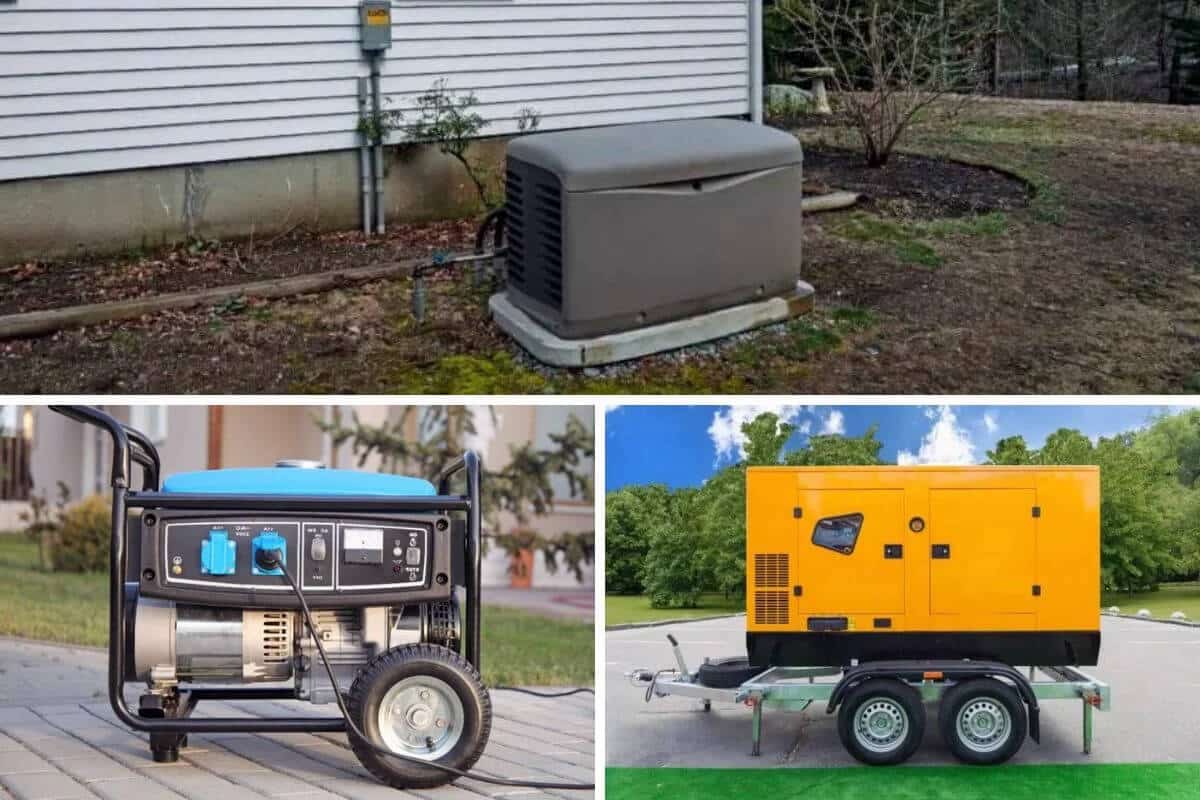
Consider adding some extra noise barriers if your generator is particularly vocal. Maybe a strategically placed shed, a fence, or even some dense shrubbery. Think of it as building a fortress of quiet around your power source. Your ears (and your neighbors) will thank you!
The Golden Rules of Generator Placement (Beyond the 20 Feet)
Okay, so we’ve hammered home the 20-foot rule. But here are a few extra nuggets of wisdom to keep in mind:
- Never, ever operate a generator indoors. This is non-negotiable. No garages, no basements, no sunrooms. Think of it as inviting a tiny, angry dragon to live inside your house – bad idea all around.
- Keep the generator away from flammable materials. That includes dry leaves, gasoline cans, and your Aunt Mildred's collection of vintage doilies (sorry, Aunt Mildred!).
- Make sure the generator is on a level surface. We don't want it wobbling around like a tipsy penguin.
- Protect it from the elements. A little rain won't hurt most generators, but prolonged exposure to harsh weather can shorten its lifespan. Consider a generator enclosure, or at least a temporary shelter during storms.
So there you have it! Keeping your generator a safe distance from your house isn't just a suggestion; it's a matter of safety and comfort. Follow these simple guidelines, and you can enjoy the peace of mind that comes with having backup power without turning your home into a carbon monoxide cocktail lounge. Now go forth and conquer those power outages, responsibly!

