How Electricity Is Generated From Fossil Fuels

Hey friend! Ever wondered how we get that juice that powers our phones, TVs, and, most importantly, our toasters? Well, a big chunk of it comes from good ol' fossil fuels! I know, I know, "fossil fuels" sounds like something a dinosaur would run on (spoiler alert: kinda true!), but let's break it down in a way that won't make your brain short-circuit.
Basically, it's all about making things hot. Like, really, really hot. We're talking dragon's breath hot!
The Fossil Fuel Fiesta: Coal, Oil, and Natural Gas
So, what are these "fossil fuels" anyway? Think of them as ancient energy bars. Millions of years ago, plants and animals (remember those dinosaurs?) died and got buried under layers of earth and rock. Over time, pressure and heat turned them into coal, oil, and natural gas. Pretty morbid when you think about it, but hey, at least something good came out of it, right?
Must Read
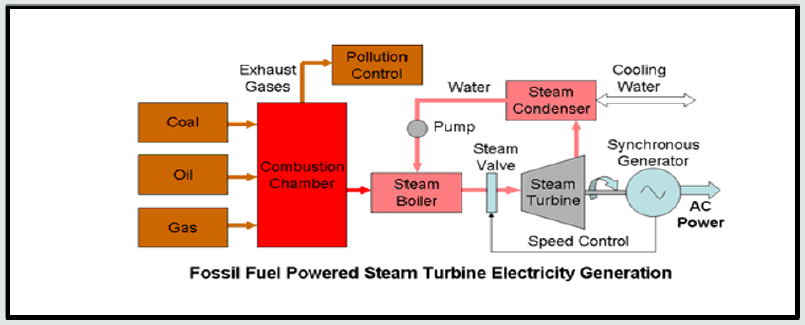
Each of these fuels has its own way of contributing to the electricity party, but the basic principle is the same: we burn them to release their stored energy. And burning things makes heat. Lots and lots of heat.
Boil, Baby, Boil! (The Water, That Is)
Okay, so we've got heat. Now what? Well, we use that heat to boil water! I know, sounds simple, but trust me, it's crucial. We’re not just making tea here; we’re creating superheated steam! The kind of steam that would make your kettle run and hide in the cupboard.
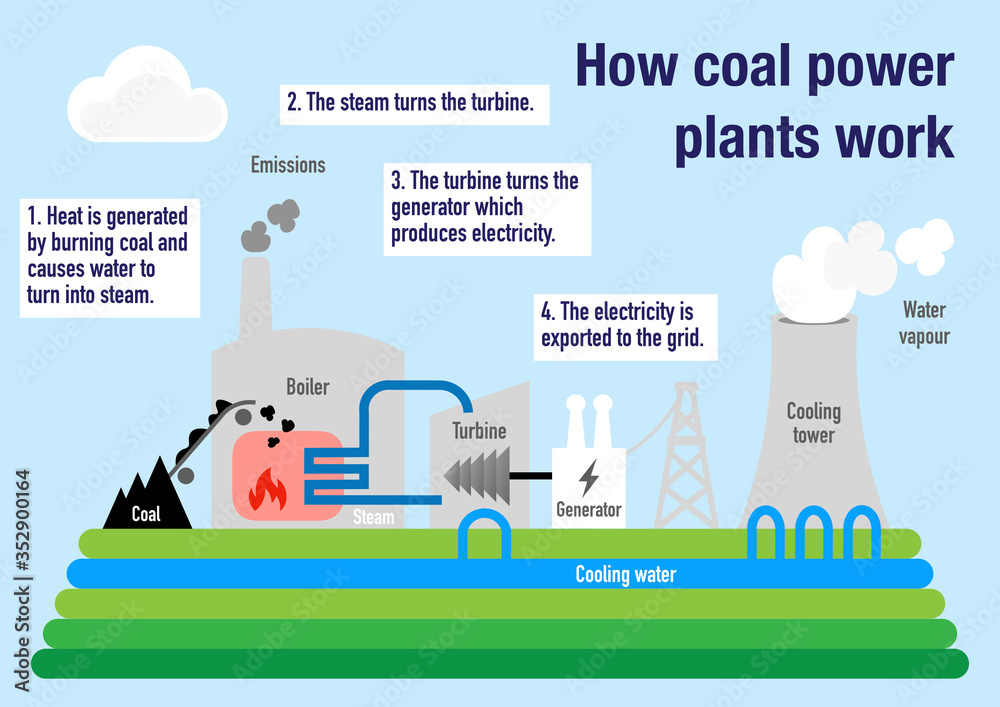
This high-pressure steam is then blasted at a turbine. Imagine a giant pinwheel, but instead of wind making it spin, it’s steam. A really powerful steam.
Turbine Time! (Spinning Our Way to Electricity)
This turbine is connected to a generator. Think of the generator as the dynamo on your old bicycle, but on a massive scale. As the turbine spins, it spins the generator, which uses magnets and coils of wire to convert mechanical energy (the spinning) into electrical energy. It’s like magic, but it’s science! (Okay, maybe science is magic, but don’t tell my physics teacher I said that.)

So, to recap: we burn fossil fuels, which heats water, which makes steam, which spins a turbine, which spins a generator, which makes electricity! Whew! That's a lot of spinning. I’m feeling dizzy just thinking about it.
From Power Plant to Your Plug: The Electric Highway
Now that we’ve got electricity, we need to get it to your house. This is where power lines come in. They act like highways for electricity, transporting it from the power plant, through substations (think of them as electricity toll booths), and finally to your wall socket. So, the next time you flip a light switch, remember that long journey! It's like a tiny electric adventure every time!

Important side note: while fossil fuels are a major source of electricity, they also contribute to things like air pollution and climate change. That's why there's a big push to develop cleaner, renewable energy sources like solar and wind. Think of it as trading in your gas-guzzling car for a super-cool electric scooter! It's better for the environment, and you'll look awesome doing it.
So, there you have it! The not-so-secret, slightly-complicated, but hopefully-not-boring way that fossil fuels help power our modern world. It's a process that involves ancient plants, boiling water, spinning turbines, and a whole lot of electrical wizardry. And while it has its drawbacks, understanding the process helps us appreciate the complexity of energy production and the importance of finding cleaner, more sustainable alternatives for the future.
Keep shining bright, friend! And remember, electricity is a privilege, so use it wisely! (And maybe charge your phone before that cat video marathon... just sayin’.)