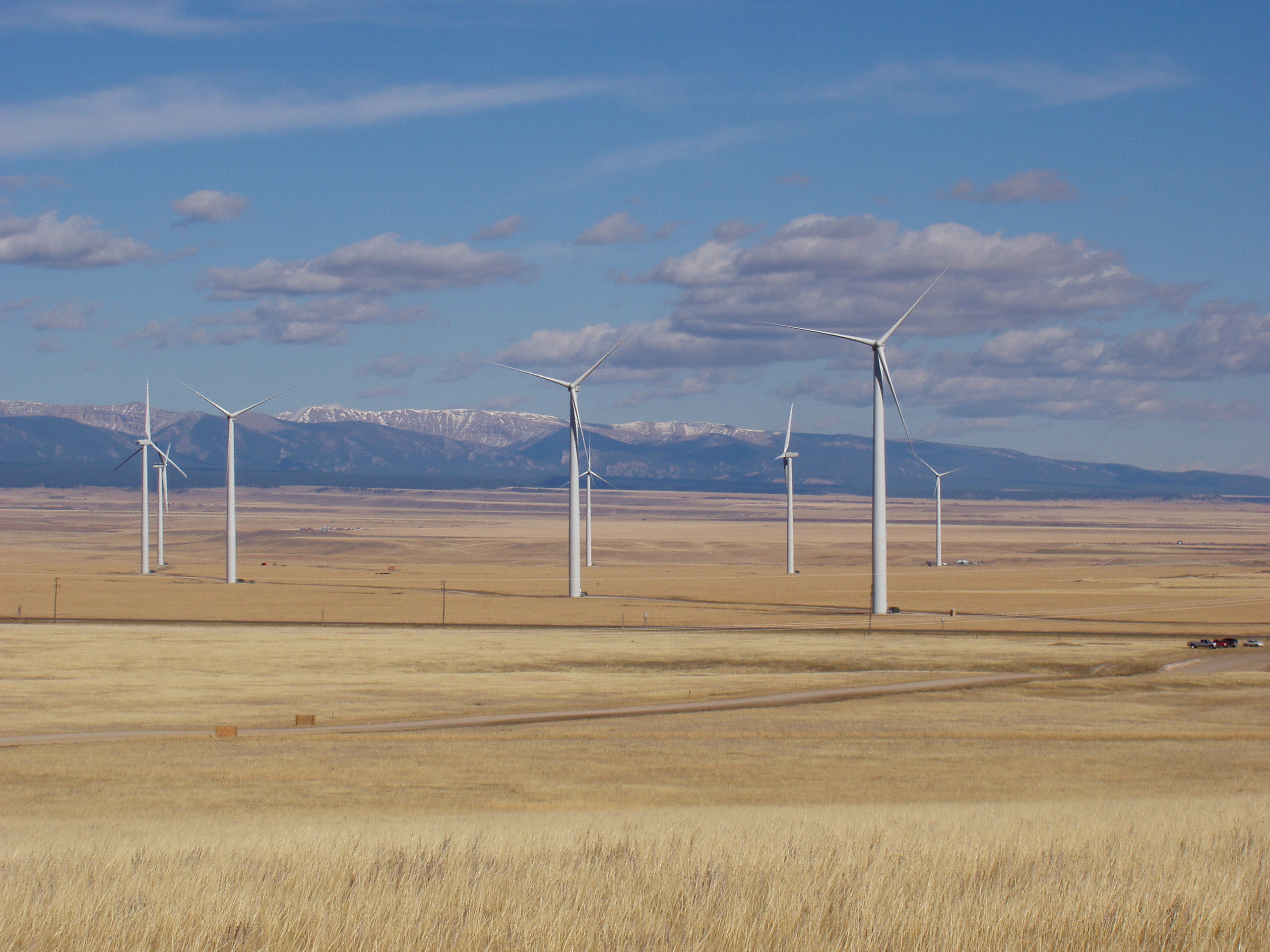
How Efficient Is Wind Power Compared To Fossil Fuels
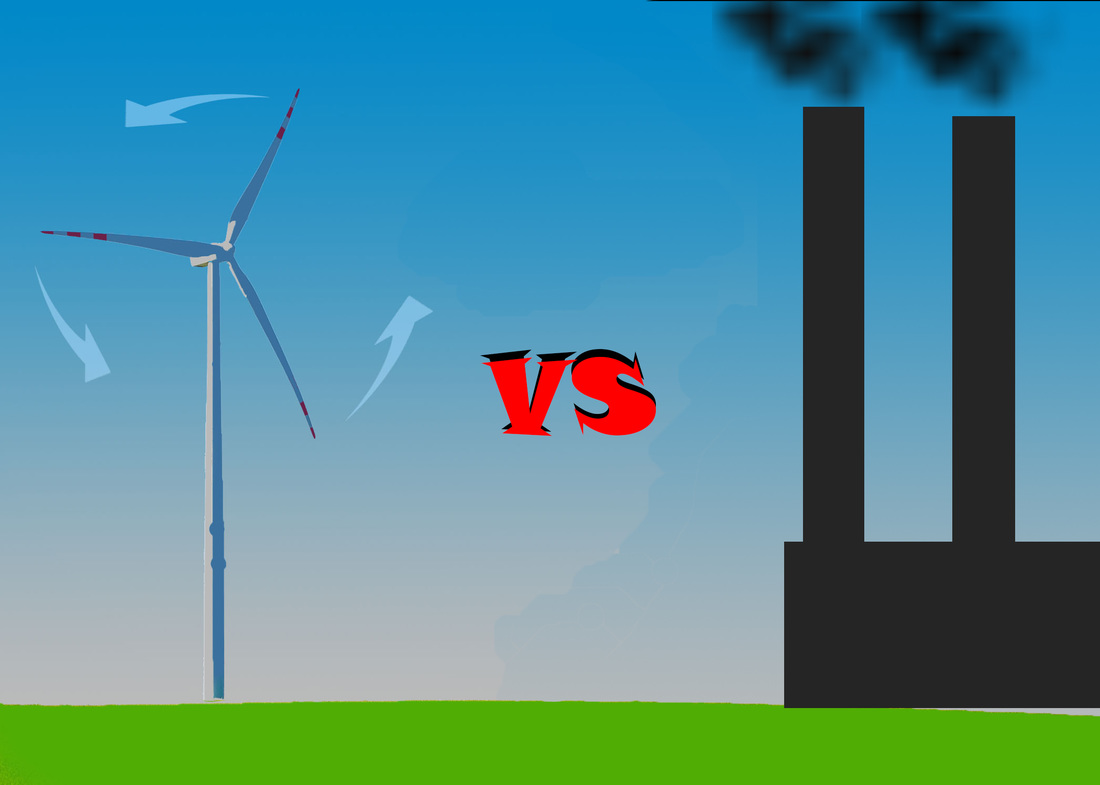
Okay, let's talk wind power! Why? Because it's everywhere, it's kind of mesmerizing watching those giant turbines spin, and frankly, it's a big part of our future. Plus, figuring out how it stacks up against old-school energy sources like fossil fuels is a fun brain teaser that affects us all.
So, what's the deal? This isn't just about "green energy" buzzwords. It's about efficiency – how much bang we get for our buck (or, in this case, for the wind!). Different people care about this for different reasons. For beginners, it’s understanding where your electricity comes from. For families, it's about the long-term health of our planet for our kids. And for hobbyists, like those building their own tiny wind turbines, it’s a fascinating engineering puzzle.
When we talk about "efficiency," we're looking at a few things. First, there's energy return on investment (EROI). This means how much energy we get out of a system compared to how much energy it takes to build and run it. Fossil fuels have traditionally had high EROIs, largely because we've been exploiting them for so long and have refined the processes. However, wind power's EROI is rapidly improving. Modern wind farms are pretty efficient, especially when compared to older technologies.
Must Read
Then there's capacity factor. This is the percentage of time a power plant is actually producing electricity at its maximum potential. Wind farms obviously depend on the wind, so their capacity factor fluctuates. A good wind farm might have a capacity factor of 30-50%. Coal-fired power plants, on the other hand, can run closer to 70-80% capacity. But here’s the kicker: wind is free once the turbine is built. Fossil fuels require a constant supply of, well, fossil fuels, which costs money and emits pollutants.
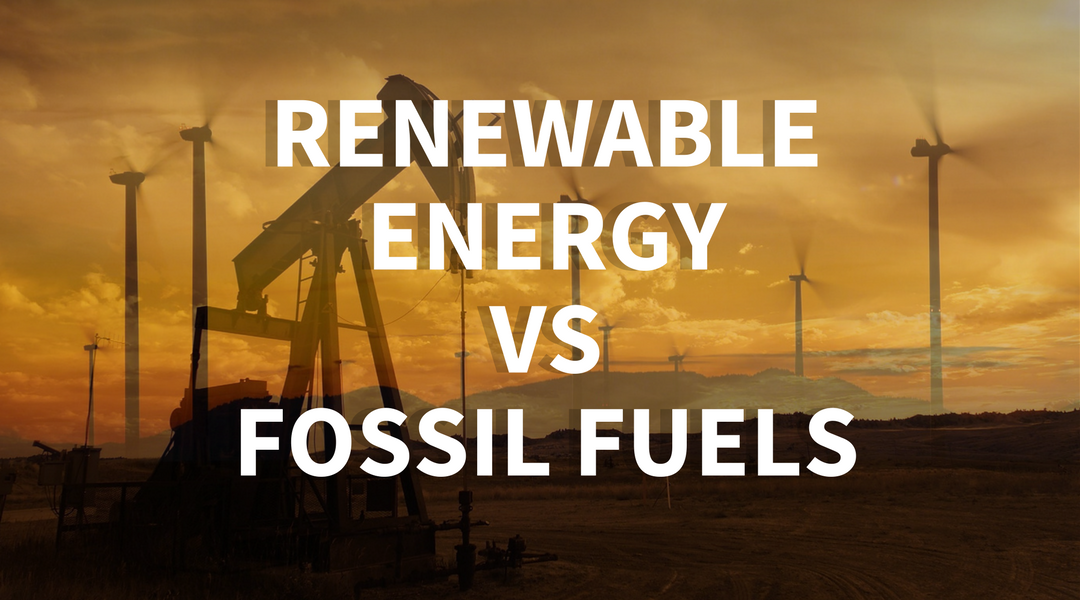
Think of it like this: a race car (fossil fuels) might be faster in a sprint, but requires expensive fuel and maintenance. A marathon runner (wind power) is steadier, cheaper to maintain (once trained!), and can keep going for much longer, even if the pace varies.
Variations abound in wind power technology too. There are enormous offshore wind farms, smaller onshore farms, and even tiny turbines you can put on your roof (if your local regulations allow!). The effectiveness depends on location, turbine size, and the prevailing wind conditions.
Want to learn more and get involved? Here are some simple tips:
- Research local wind projects: See if there are any wind farms near you and learn about their impact.
- Support renewable energy: Choose a "green" energy plan from your electricity provider (if available).
- Educate yourself: Read articles, watch documentaries, and learn about the science behind wind power.
- Advocate for change: Talk to your elected officials about supporting renewable energy policies.
Ultimately, comparing wind power to fossil fuels isn't just about crunching numbers. It’s about creating a more sustainable and cleaner future. While wind power isn't a perfect solution on its own, it's a powerful and growing part of the energy mix. And as technology improves and we learn more, it’s only going to become more efficient and beneficial. So go outside, feel the wind, and appreciate the potential of this amazing natural resource!