
How Early Do Cats Go In Heat
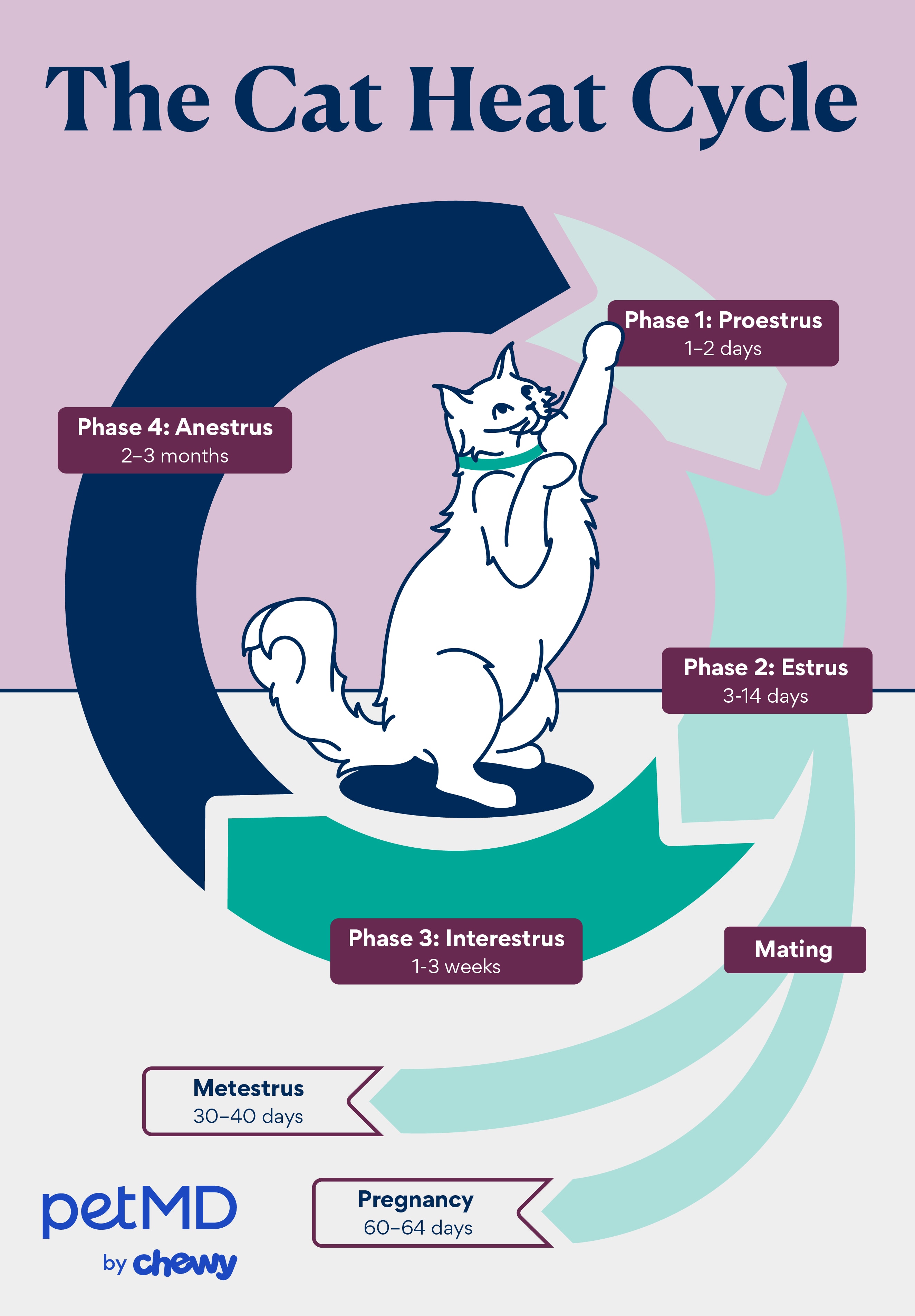
You know that moment when your adorable, clumsy kitten, who was just yesterday wrestling with a dust bunny, suddenly seems to transform overnight? One minute they’re a tiny ball of fluff, the next they’re... well, let’s just say they’re giving you a look that suggests they’ve got bigger plans than chasing a laser pointer.
If you've been wondering when your sweet little fur-ball might start acting a bit more like a seasoned lounge singer, then you've hit on a question many cat parents ponder: how early do cats go in heat? And trust us, the answer can sometimes be surprisingly swift!
The Great Awakening: Earlier Than You Think!
Most people imagine a cat going into heat around their first birthday, or maybe even a bit later. But here's the kicker, folks: many female cats, or queens as they’re fancy-pants called, can start their reproductive cycle as early as five or six months old!
Must Read
Yep, that’s right. Just when you’ve mastered the art of cleaning up kitten-sized messes, your little one might decide it’s time to become an independent woman (or cat, rather). We’re talking about a timeline that can catch even the most prepared pet parent off guard. Imagine your child graduating from kindergarten and then, BAM, asking for car keys. Okay, maybe not that extreme, but you get the picture!
While 5-6 months is a common starting point, some breeds, especially those with shorter hair, might even hit puberty a little earlier, say around four months. Others, particularly longer-haired breeds, might wait until they’re closer to a year. It's like people – everyone develops at their own pace!
/when-your-cat-is-in-heat-552170-V1-e8d4b48be415404c960dad7cb8c71963.png)
What’s Behind the Early Bloomer Phenomenon?
A few things can play a role in when your cat decides it's time to announce her availability to the feline dating pool:
- Daylight Hours: Cats are often "seasonally polyestrous," which is a fancy way of saying their cycles are triggered by increasing daylight. So, as spring rolls around and the days get longer, you might notice things heating up.
- Weight and Health: A healthy, well-fed cat is more likely to go into heat earlier than one who might be struggling.
- Genetics: Just like eye color, some of it is simply in their DNA.
Signs Your Kitty Might Be Ready to Rock and Roll
So, how do you know if your pint-sized princess is about to become a full-blown diva? Her body language and vocals will tell you! And oh, the vocals...
You might notice a sudden, inexplicable shift in personality. Your usually quiet kitty might start:
:max_bytes(150000):strip_icc()/will-heat-cycle-end-after-mating-554846_V2-dfdd387c61594efab70d34e2f688b213.png)
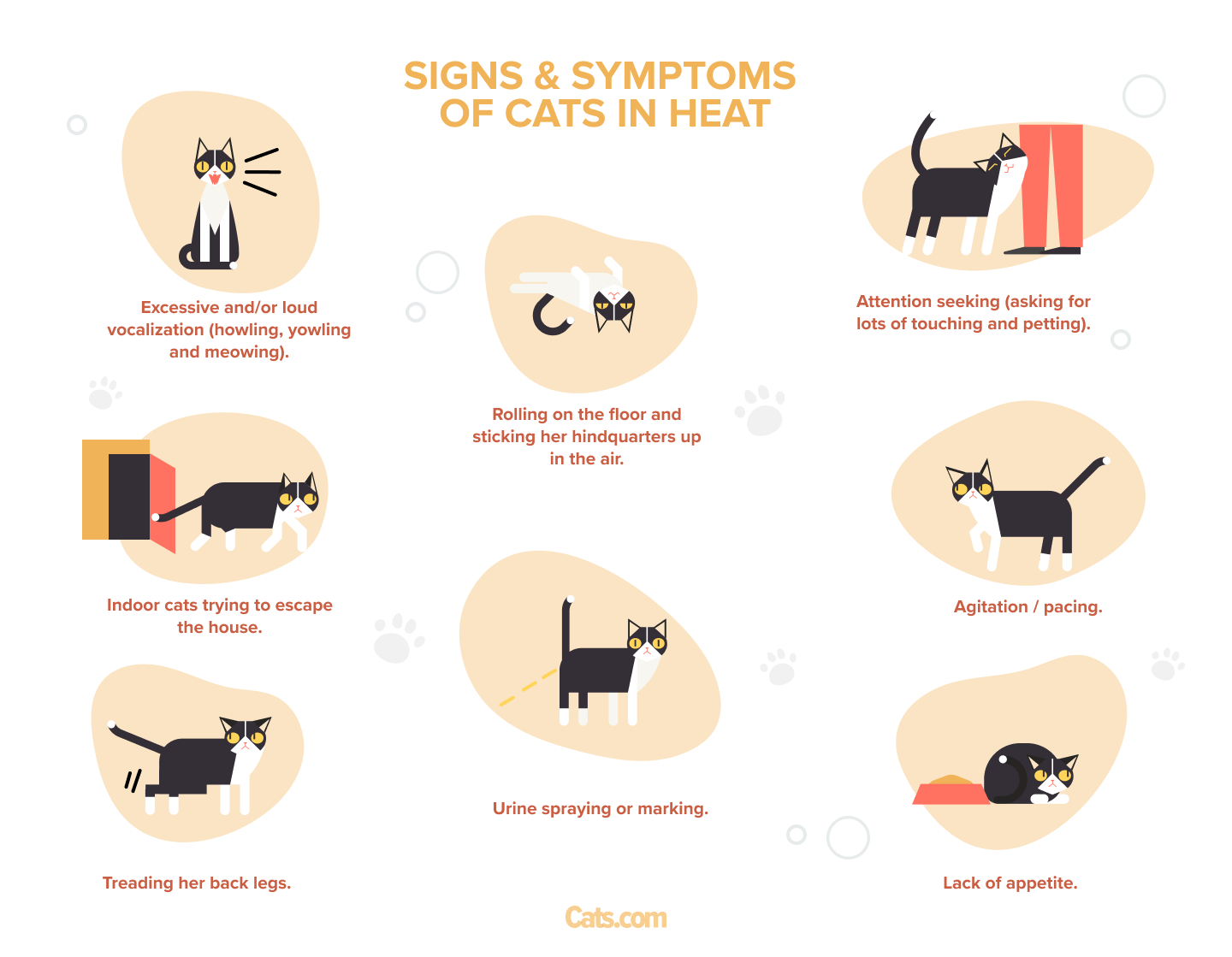
- Yowling and Meowing (LOUDLY!): This isn't just a friendly greeting. We're talking about a mournful, demanding, sometimes ear-splitting sound that makes you wonder if there’s a banshee living in your house. It’s her way of broadcasting to every male cat in a five-mile radius, "I'm here! And I'm ready for love!"
- Becoming a Stage Five Clinger: Suddenly, your cat can't get enough of you. She's rubbing against your legs, furniture, your feet – anything and everything. It's an intense form of affection, often accompanied by purring and head-bumping.
- The Dramatic Floor Show: She might start rolling around on the floor dramatically, sometimes almost like she's in pain. Don't worry, she's usually just expressing herself! It’s her way of spreading her scent and making herself known.
- Presenting Her Posterior: If you gently stroke her lower back, she might raise her hindquarters and tread her back paws. This is a classic "ready for mating" posture, called lordosis.
- Marking Territory: Occasionally, cats in heat might spray urine to mark their territory. It's not out of spite; it's just another way of saying, "Hey boys, I'm over here!"
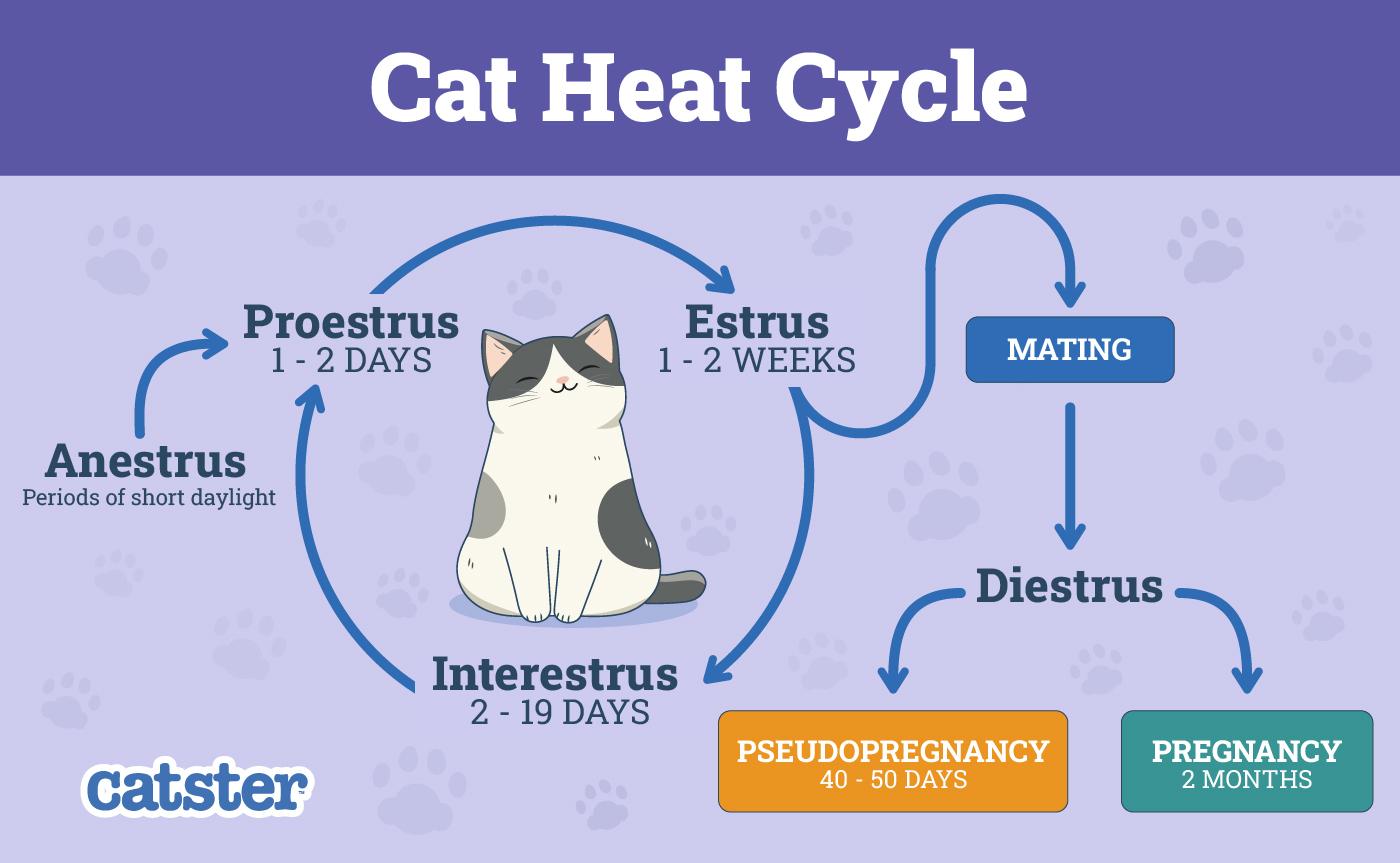
These signs can be intermittent, lasting for a few days, then disappearing for a week or two, only to reappear. Cats are quite unique; unlike dogs, they don't have a visible discharge. Their heat cycle is purely behavioral.
Why Should YOU Care? (Beyond the Lack of Sleep!)
Okay, so your kitten might be ready for love earlier than expected. So what? Well, dear reader, this is where it gets important – for both you and your cat!
1. The Kitten Avalanche: If your cat is roaming freely and not spayed, that early heat means a chance of an unexpected litter of kittens. And while tiny kittens are undeniably adorable, they’re also a huge responsibility. Finding homes, vet visits, late-night feedings… it's a lot! Spaying prevents these surprise additions to your family, which helps control pet overpopulation too.
2. Health is Wealth (for your Cat!): Spaying your cat before her first heat cycle dramatically reduces her risk of developing mammary (breast) cancer. It also completely eliminates the risk of uterine infections (pyometra) and ovarian tumors. Think of it as a super shield against some really nasty health issues!
3. A Quieter, Happier Home: Let's be honest, the constant yowling and desperate attempts to escape can be stressful for both you and your cat. Spaying eliminates those noisy, hormonally-driven behaviors. No more 3 AM serenades or frantic window dashing! You’ll have a calmer, more contented companion.
4. Less Stress for Your Fur-Baby: Being in heat is a natural process, but it can be quite stressful for a cat, particularly if she’s constantly seeking a mate that isn't available. Spaying takes away that hormonal roller coaster, allowing her to relax and just be her wonderful, playful self.
The Takeaway: Talk to Your Vet!
So, if you’ve got a fluffy youngster nearing that 4-6 month mark, it’s a really good idea to have a chat with your veterinarian about spaying. Don't assume she's too young! They can advise you on the best time for the procedure, ensuring your cat stays healthy and your home remains a peaceful, kitten-free (unless you plan for them, of course!) zone.
After all, we want our feline friends to live their best lives – happy, healthy, and maybe a little less prone to impromptu opera performances!