How Does Wind Energy Affect The Environment
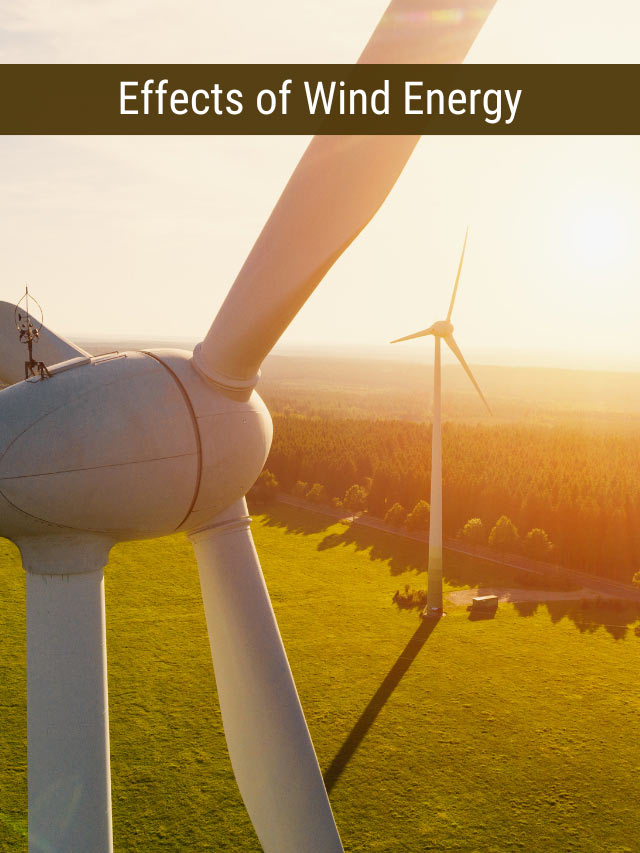
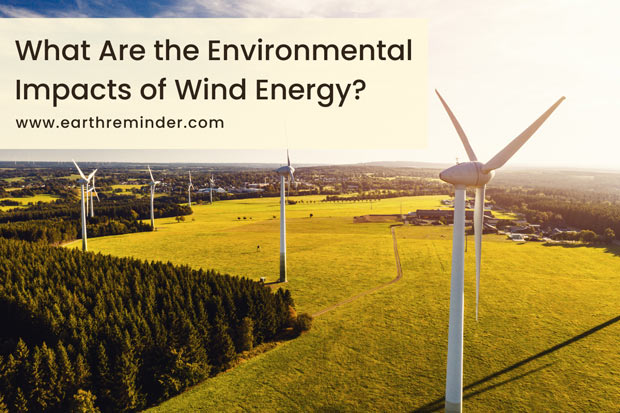
Wind energy! It's clean, it's green, and it's swirling its way into our power grids. But have you ever stopped to wonder what its actual impact is on our environment? It's a surprisingly complex and fascinating question, and understanding it helps us make informed decisions about our energy future. So, let's dive in and see what's powering our world – and what it's costing (or, more accurately, not costing) the planet!
The primary purpose of wind energy is pretty straightforward: to generate electricity from a renewable source – the wind! The benefits are numerous. Firstly, and most importantly, it reduces our reliance on fossil fuels like coal and gas. Burning these fuels releases greenhouse gases, the major culprit behind climate change. Wind energy, on the other hand, produces no direct emissions during operation. That means cleaner air and a healthier planet. Think of it as trading in your gas-guzzling car for a super-efficient electric vehicle powered by the breeze.
Beyond reducing emissions, wind farms can also boost local economies. They create jobs in manufacturing, construction, maintenance, and research. Plus, landowners who host wind turbines can receive lease payments, providing a valuable source of income. It's like turning empty fields into little money-making machines, all while benefiting the environment!
Must Read
However, like any technology, wind energy isn't perfect. One of the biggest concerns is its impact on wildlife, particularly birds and bats. Turbines can pose a collision risk, especially to migrating species. This is a serious issue, and scientists and engineers are working hard to mitigate it through measures like turbine placement, shutdown protocols during peak migration periods, and even using deterrent technologies like sound or light to keep animals away.
Another consideration is the visual impact of wind farms. Some people find them aesthetically pleasing, seeing them as symbols of progress and sustainability. Others find them to be eyesores that disrupt the natural landscape. This is subjective, of course, but it's an important factor to consider when planning new wind energy projects. Careful planning and community engagement can help minimize visual impacts and ensure that wind farms are integrated sensitively into their surroundings.
Finally, the manufacturing and disposal of wind turbines also have environmental implications. The materials used to build turbines, such as steel, concrete, and fiberglass, require energy to produce. And while turbine blades are designed to last for many years, eventually they need to be decommissioned and disposed of. Finding sustainable ways to recycle or repurpose these materials is an ongoing challenge. But remember, even with these considerations, the overall environmental footprint of wind energy is still significantly smaller than that of fossil fuels.
In conclusion, wind energy offers a powerful and promising solution to our energy needs. While it's not without its challenges, the benefits – reduced emissions, cleaner air, and a more sustainable future – are clear. By continuing to innovate and address the environmental concerns associated with wind energy, we can harness the power of the wind to create a brighter, greener future for all. And that's something to get excited about!