How Does Waste Affect The Ocean
Ever gazed out at the vast, sparkling ocean and felt a sense of wonder? From the gentle lapping of waves on a sandy beach to the vibrant marine life teeming beneath the surface, our oceans are truly incredible. Understanding how our daily actions impact this magnificent natural resource isn't just about doom and gloom; it's actually a super useful and even fun way to connect with the planet and feel good about making a positive difference. It’s a topic that brings us closer to nature, making us appreciate its beauty even more, and empowers us to protect it.
So, who can benefit from diving into this topic? Beginners can grasp the simple truth that what we toss away often finds its way to the sea, affecting everything from tiny plankton to majestic whales. It's about recognizing that every piece of litter has a journey. For families, learning about ocean waste together can be a fantastic bonding experience, turning beach trips into treasure hunts for rubbish to be properly disposed of, or sparking conversations about sustainable choices at home. It’s a chance to teach kids about responsibility and interconnectedness. And for hobbyists, like divers, surfers, or even keen beachcombers, understanding waste impacts deepens their appreciation for the marine environment they love, helping them become even more effective advocates and stewards of the ocean.
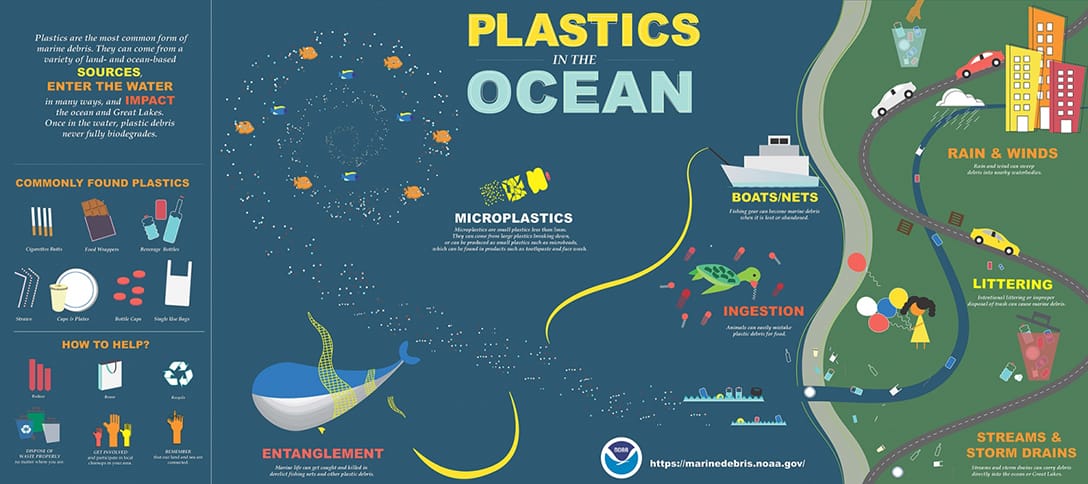
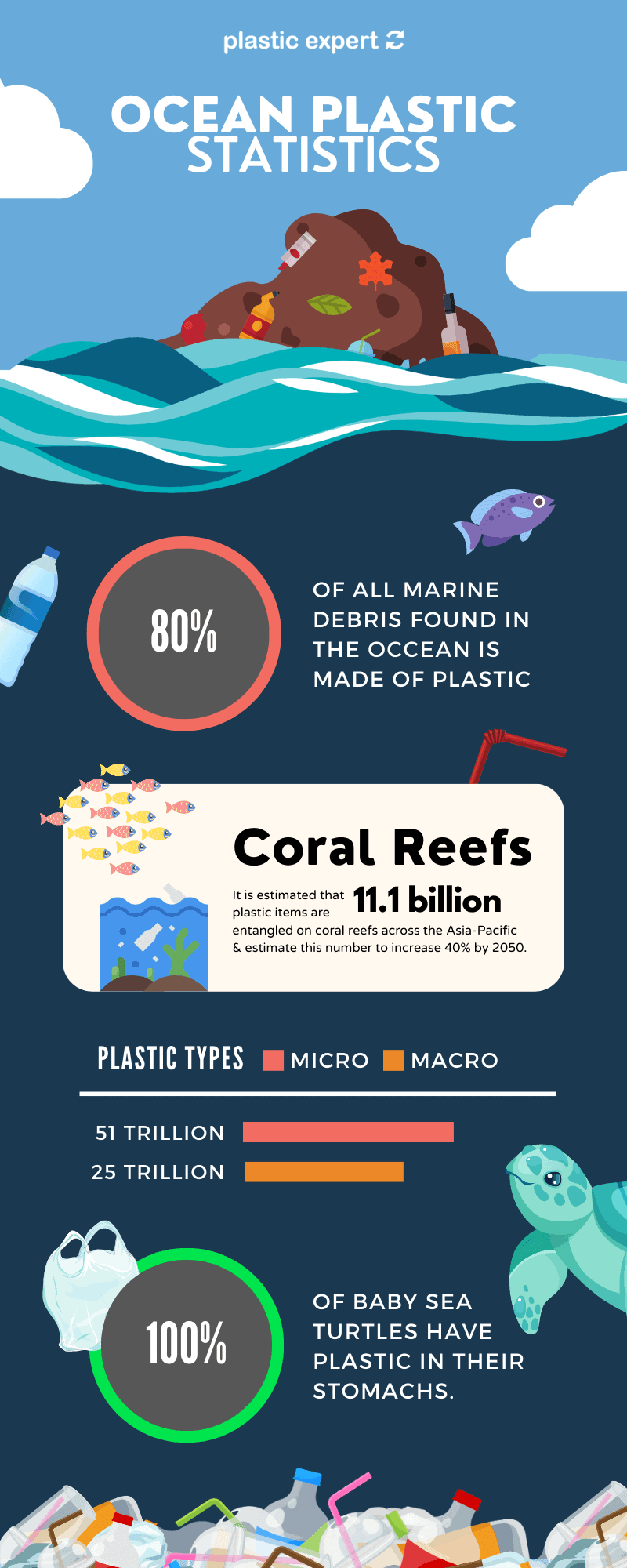
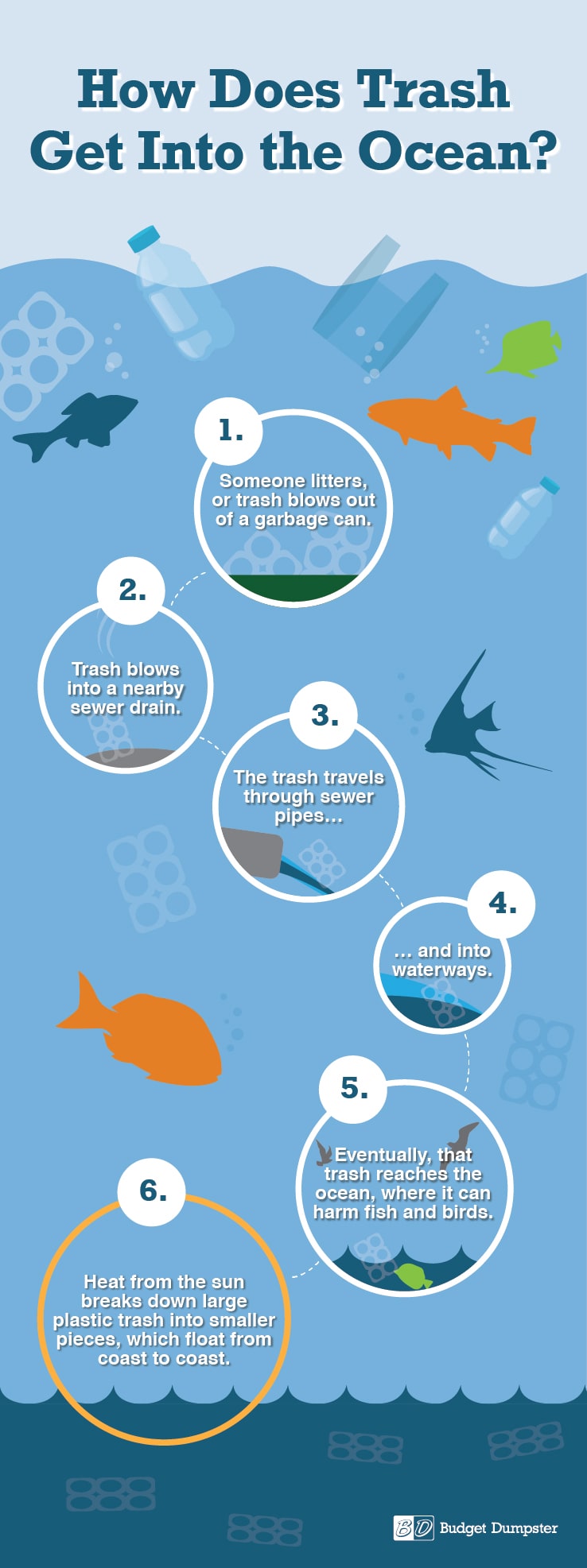
The ways waste affects the ocean are varied, but often start with what we call plastic pollution. Think about those single-use plastic bottles, bags, and food wrappers. When they aren't properly disposed of, they can drift into rivers and eventually out to sea. Once there, they don't just disappear. They break down into tiny pieces called microplastics, which marine animals mistake for food, leading to serious health issues. Larger items can entangle turtles, seals, and birds, making it impossible for them to hunt or swim. It's not just plastic, though. Harmful chemicals from improper disposal, oil spills, and even discarded "ghost" fishing gear continue to harm marine ecosystems, disrupting the delicate balance of life under the waves.
Must Read
Ready to make a splash with some positive change? Getting started is easier than you think! One of the biggest impacts you can make is to reduce your reliance on single-use plastics. Carry a reusable water bottle, bring your own shopping bags, and opt for reusable coffee cups. Always ensure your waste is properly disposed of – use recycling bins for recyclables and general waste bins for everything else. Better yet, join a local beach or park cleanup, or simply make it a habit to pick up a few pieces of litter whenever you see them. Every little bit truly helps! And remember, by supporting businesses committed to sustainability, you're voting with your wallet for a healthier planet.
Learning about how our waste impacts the ocean isn't just a lesson in environmental science; it's an invitation to become a guardian of our blue planet. There's immense satisfaction in knowing that your choices, no matter how small, contribute to a cleaner, healthier ocean for all its incredible creatures and for future generations to enjoy. It’s a rewarding journey that connects you to something much bigger than yourself, bringing both purpose and enjoyment to your everyday life.