
How Does Using Hydropower Affect The Environment
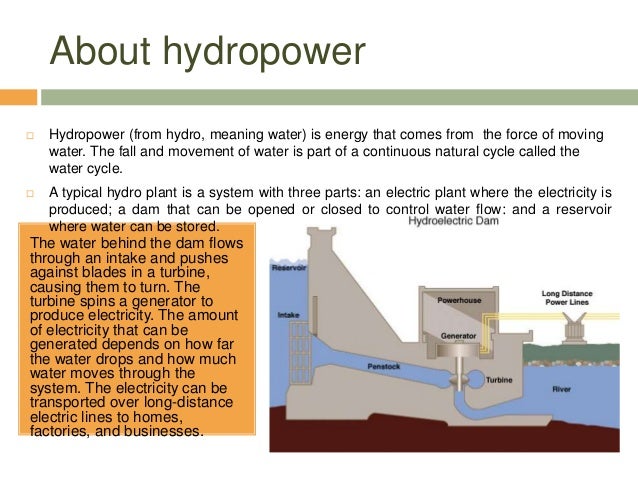
Okay, let's talk hydropower. Clean energy, right? Everyone loves a good hydro dam. But hold on a second. Let's get real.
Dams: Big Concrete...Things
Dams are HUGE. We’re talking about blocking rivers. That’s a pretty big deal for, you know, the river. Think of it like someone building a wall in your living room. Suddenly, your flow is disrupted. You can’t get to the fridge as easily. Your cat is probably annoyed. Same with rivers.
Fish are probably the most famous complainers. They like to swim upstream. It's their thing! They have places to be, eggs to lay, salmon-y stuff to do. A giant wall of concrete isn't exactly a smooth travel experience. Fish ladders help, sure, but let's be honest, it's like making them climb a tiny, watery staircase instead of just… swimming. I’d be grumpy.
Must Read
And what about sediment? That's the stuff the river usually carries downstream. Good for the plants and the soil. But guess what? The dam stops it. So, downstream gets less nourishment. It's like cutting off the food supply. Not cool.
The Unpopular Opinion (Brace Yourselves)
Here's where I might get some hate mail. Are dams always evil? I'm going to say... not necessarily. ducks for cover

Look, nobody wants to destroy the planet. But we also need electricity. Wind and solar are awesome, but they aren’t always reliable. Sometimes the sun is hiding. Sometimes the wind is sleepy. Hydropower? It’s usually pretty consistent. A steady stream of electricity, quite literally.
And compared to burning fossil fuels? Well, that’s a whole other level of "bad for the planet." So, while dams definitely have downsides, they might be the lesser of two evils in some cases. Just saying.
Methane: The Sneaky Culprit
Okay, this is a slightly gross one. When you flood a bunch of land to create a reservoir, all that rotting vegetation releases methane. And methane is a greenhouse gas. Even worse than carbon dioxide, in some ways. So, that pristine lake might actually be burping out climate-changing fumes. Yikes.

It’s like that forgotten bag of salad in the back of your fridge. Except on a much, much larger scale. A methane-emitting, flooded-forest scale.
The Landscape Gets a Makeover (Not Always for the Best)
Think about it: you’re essentially creating a giant bathtub. That means the land that used to be there is now underwater. Entire ecosystems get…rearranged. Forests become lakes. Animals have to find new homes. It's a major upheaval.
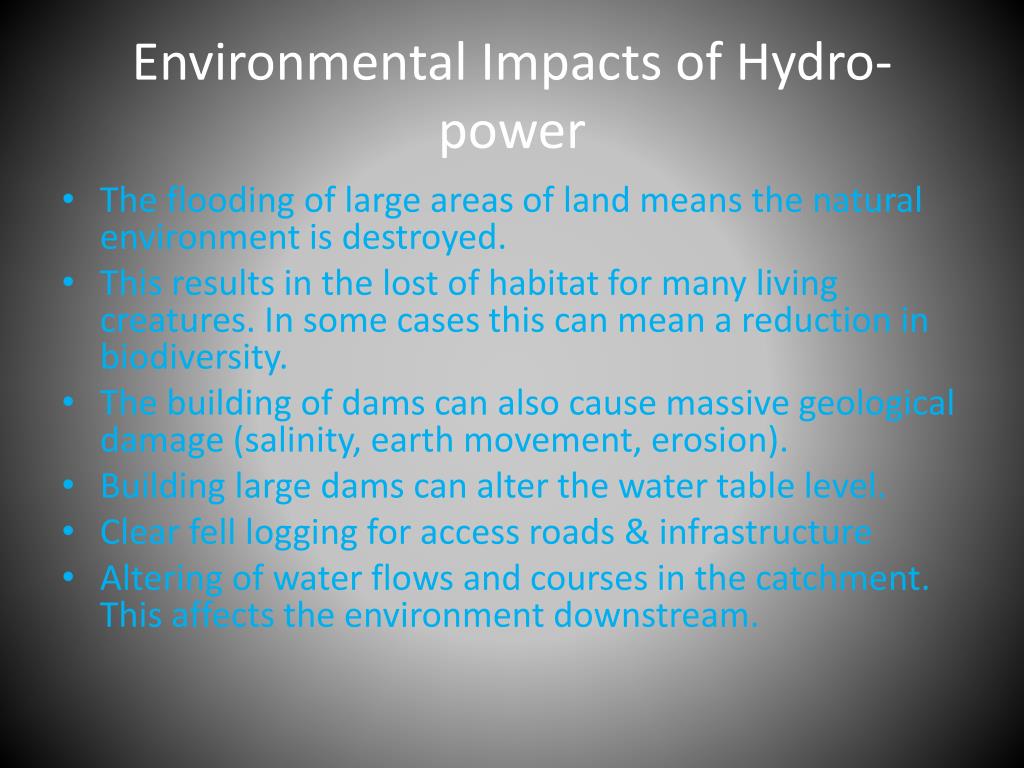
Imagine waking up one morning and your house is now a swimming pool. You’d be pretty stressed, right? Same with the animals.
It's Complicated
So, how does using hydropower affect the environment? It’s complicated! There are definitely downsides: blocked rivers, unhappy fish, methane emissions, and altered landscapes. It’s not all sunshine and renewable rainbows.
But, it's also a source of reliable electricity that (usually) doesn't involve burning fossil fuels. It's a balancing act. A tricky trade-off. A real head-scratcher.

So, What's the Answer?
I wish I knew! Maybe it’s about finding the right balance. Maybe it’s about building smaller, smarter dams. Maybe it’s about focusing on other renewable energy sources. Maybe it's about finally perfecting fusion (that's a joke... mostly).
The point is, we need to think critically about all our energy choices. Don't just blindly accept that hydropower is always good, or always bad. Look at the specific project, consider the alternatives, and try to make the most informed decision possible. And maybe, just maybe, leave a little room in your heart for the (slightly traumatized) fish.
And maybe plant a tree. Just in case.