
How Does The 3d Printer Work
Ever wished you could just will something into existence? Like, imagine a cool gadget or a replacement part for your favorite toy, and boom, it appears! While we're not quite at Star Trek replicator levels, 3D printers are bringing us pretty close to that magic. They're not just for engineers anymore; these incredible machines are making waves in homes, schools, and workshops, turning digital ideas into tangible objects right before your eyes. It’s a fantastic blend of tech and creativity, opening up a world of possibilities for everyone.
So, who are 3D printers for? Honestly, almost anyone! For beginners and families, they're a brilliant way to explore creativity. You can print fun, custom toys, personalize gifts, or even create educational models that bring learning to life. Imagine designing and printing your own unique board game pieces or a custom cookie cutter! For hobbyists, the sky's the limit. From prototyping intricate parts for RC cars or drones to crafting detailed cosplay accessories or miniature models, a 3D printer can quickly become an indispensable tool. It empowers you to solve problems, personalize your world, and bring truly unique creations into being.
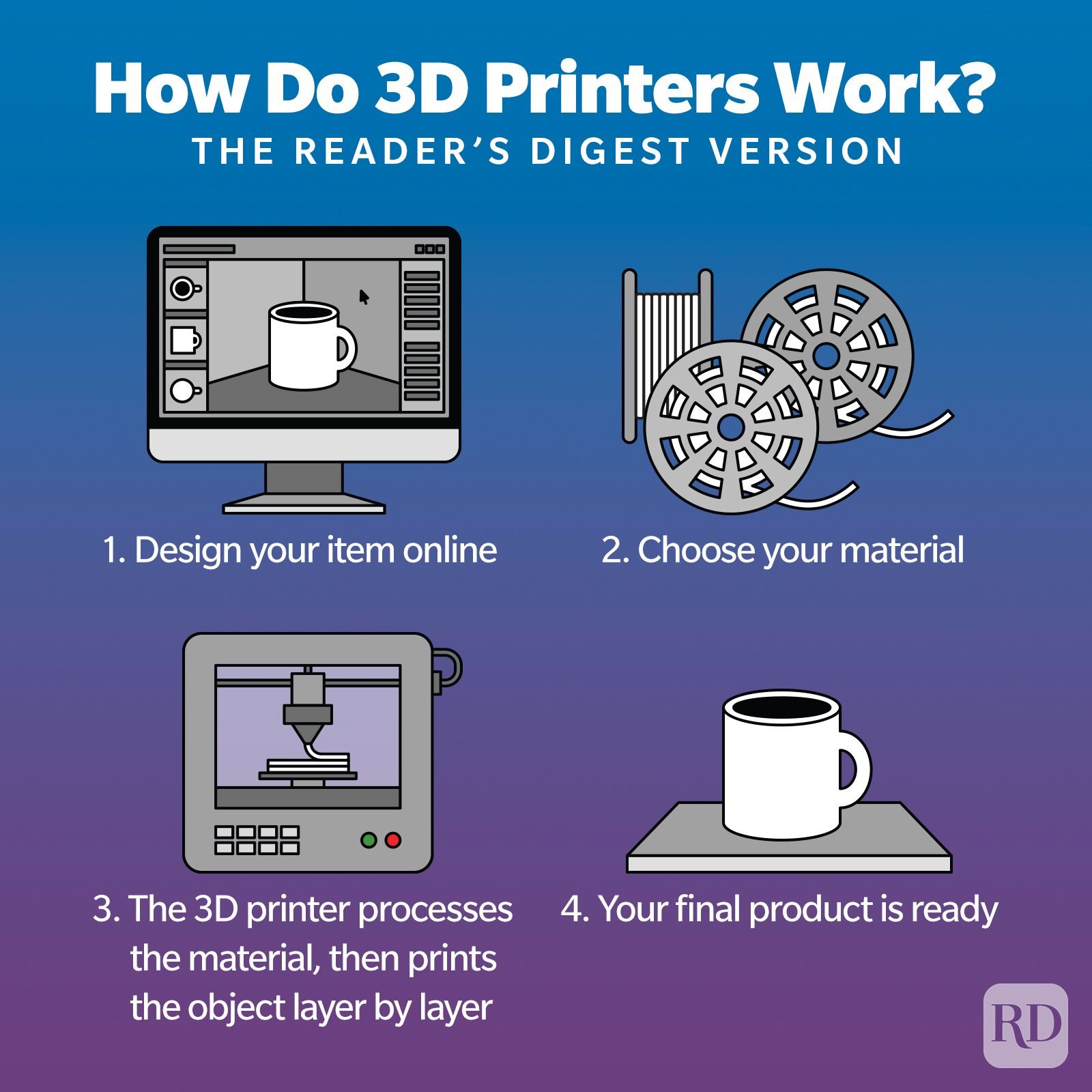
But how does this modern marvel actually work its magic? At its heart, most consumer-friendly 3D printers, especially those using a method called Fused Deposition Modeling (FDM), work on a simple, yet ingenious principle: layer by layer. Think of it like drawing, but in three dimensions, slowly building up an object from the ground up. First, you need a digital design – often a 3D model file (like an STL file) created with design software or downloaded from a vast online library. This file is then fed into "slicer" software, which essentially cuts your 3D model into thousands of super-thin horizontal layers, translating each layer into precise instructions (called G-code) for the printer.
Must Read
Next comes the fun part: printing! The printer heats up a special plastic filament (often PLA, a biodegradable plastic) until it melts. A tiny nozzle then moves precisely across a print bed, extruding this molten plastic layer by tiny layer, following the instructions from the G-code. As each thin line of plastic is laid down, it quickly cools and solidifies, bonding to the layer beneath it. The print bed or the nozzle then moves a tiny fraction upwards, and the next layer is extruded. This process repeats, patiently building up the object, one wafer-thin slice at a time, until your chosen design fully emerges from the print bed. It's a bit like watching a tiny, robotic chef meticulously stack pancakes to build a sculpture!
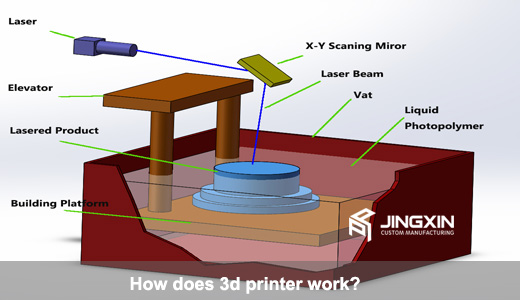
The variety of things you can print is astonishing. Beyond toys and figurines, people are printing functional items like custom phone stands, cable organizers, replacement knobs for appliances, garden tools, and even parts for home repairs. While FDM is the most common for home use, there are also resin printers (SLA/DLP) that use light to cure liquid resin, offering incredibly fine details, often used for jewelry or highly detailed miniatures. The core idea of building up an object remains consistent, regardless of the material or method.
Ready to jump into the world of 3D printing? Here are some simple, practical tips to get started: First, consider an entry-level FDM printer; many great options are now very affordable and user-friendly. Secondly, don't be afraid of design! Programs like Tinkercad are free and incredibly easy to learn for creating your own simple models. For more complex items, websites like Thingiverse offer thousands of free, ready-to-print designs. Always start with PLA filament as it's the easiest to work with. Lastly, join an online community – there's a huge, helpful network of 3D printing enthusiasts eager to share tips, tricks, and inspiration.
Ultimately, 3D printing is all about unleashing your inner maker. There’s a profound satisfaction in holding something in your hand that was once just an idea in your head, or a file on your screen. It’s an accessible, exciting hobby that offers endless opportunities for creativity, problem-solving, and sheer enjoyment. Why not give it a try and discover the magic of bringing your imagination to life, layer by fascinating layer?


