How Does Oil Form In 3 Steps
Imagine a world bustling with life, far, far away from your morning commute or your evening binge-watch session. We’re talking millions upon millions of years ago, when dinosaurs might have still been strutting their stuff, and the oceans teemed with microscopic wonders. You might think oil, that dark, sticky stuff that powers so much of our modern world, just... appeared. But it has a secret origin story, a captivating tale spun by Mother Earth herself, playing out over geological timescales. It’s not just fuel; it’s a time capsule, a heartwarming legacy from tiny, ancient lives. And believe it or not, this epic journey happens in just three remarkable steps.
Step 1: The Grand Farewell Party (and a Gentle Descent)
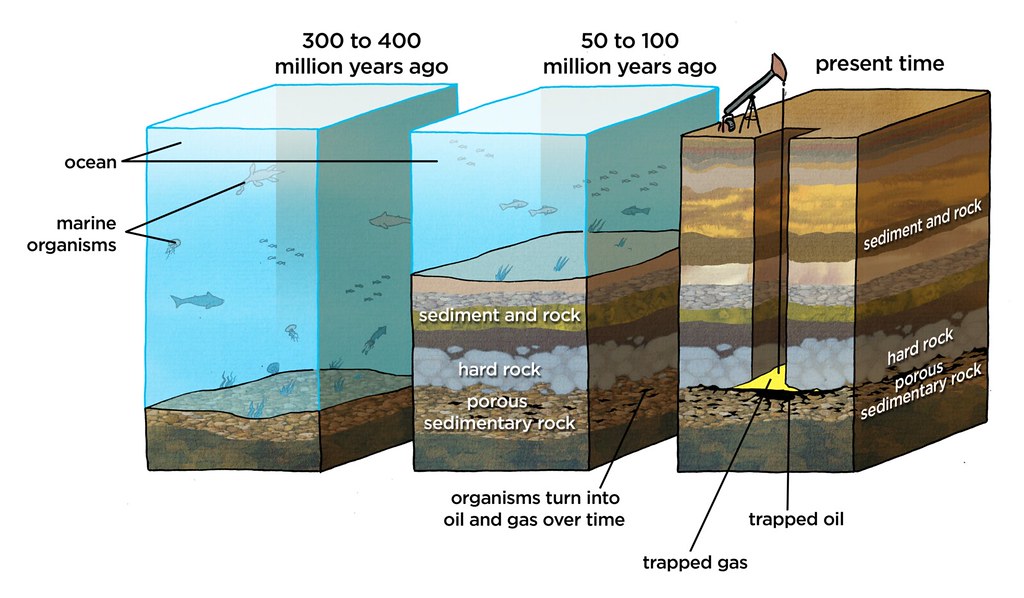
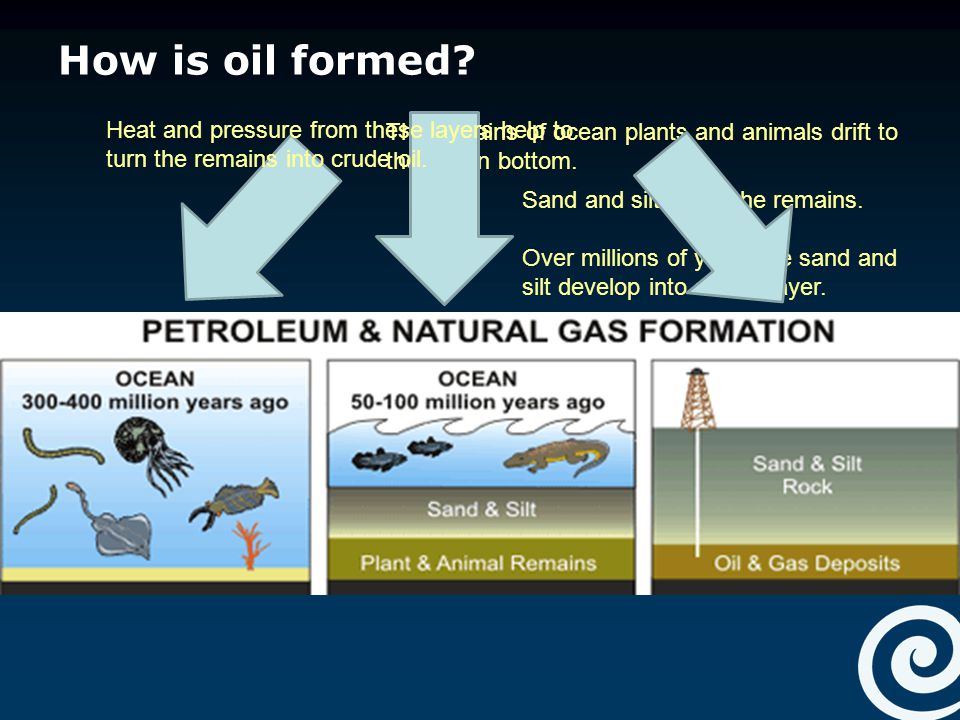
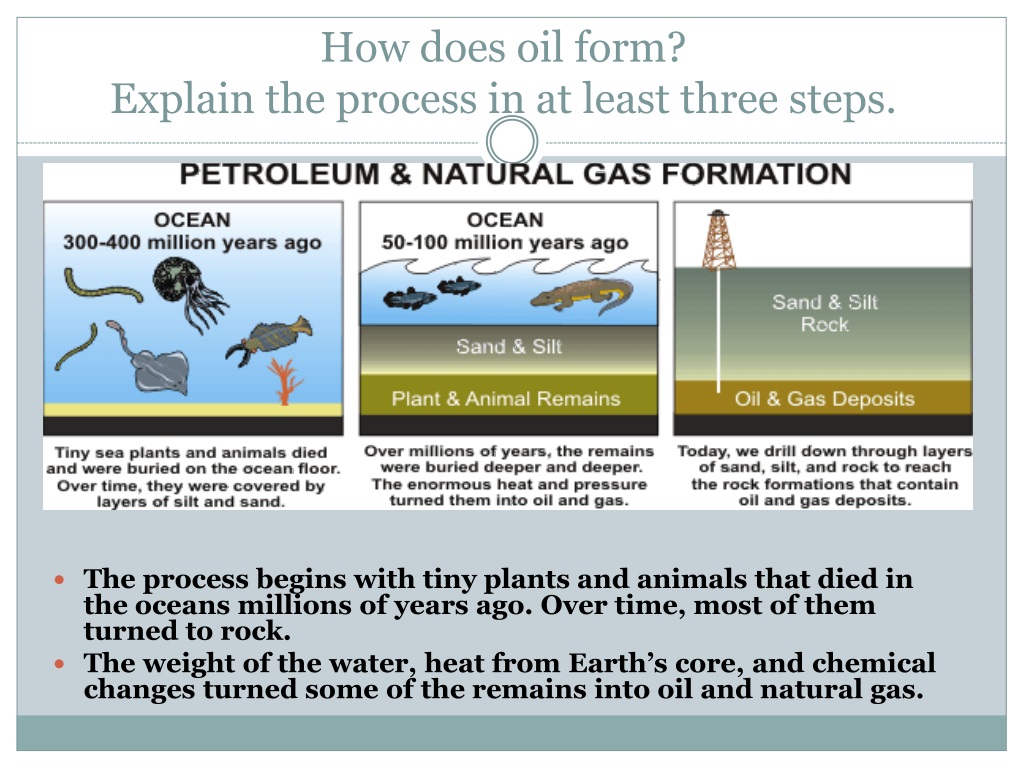
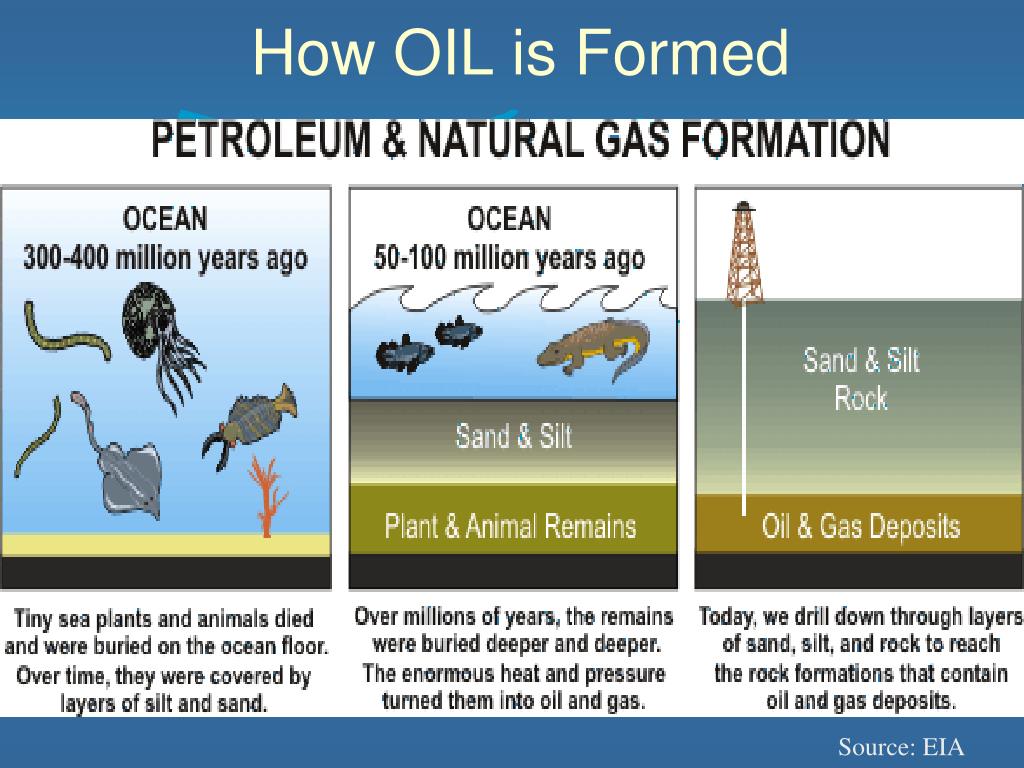
Picture this: vast, ancient oceans and lakes, shimmering under a primordial sun. In these waters lived countless tiny organisms – microscopic plants called phytoplankton and even smaller animals called zooplankton. They were the bustling, vibrant life of their time, swimming, growing, and doing their tiny-organism thing. Think of them as the unsung heroes of the early Earth, living their best lives. When their time came, instead of just vanishing, they began a slow, graceful descent.
These minuscule creatures, along with bits of algae and other organic debris, gently drifted down, down, down to the bottom of the sea or lake. It wasn't a sudden crash, but more like a never-ending rain of organic confetti, settling softly onto the seabed.
This continuous shower created thick layers of organic-rich mud, a kind of nutrient-dense goo accumulating over thousands and millions of years. It’s truly heartwarming to think that something so small, so fleeting, could contribute to something so vast and impactful. Each tiny life adding its precious bit to this incredible, unfolding story. It’s the ultimate legacy project!
Must Read
Step 2: Earth's Slow-Cooker Magic
Now, imagine the world continuing its relentless march through time. Over millions of years, rivers carried sediments – sand, silt, and clay – into these ancient basins. These sediments piled up, layer upon layer, like an incredibly patient chef adding ingredients to a giant pot. As these layers grew thicker and thicker, they began to press down with immense force on that organic-rich mud from Step 1.
This is where pressure and heat become the Earth's secret ingredients. The weight of miles of overlying rock was unimaginable, slowly but surely compacting the buried organic matter.
As the organic layers sank deeper, the Earth's internal heat began to warm them. It’s like a colossal, natural slow cooker, gently warming and squeezing its contents. The conditions became anaerobic, meaning without oxygen – crucial for preserving all that precious ancient life. This intense pressure and rising temperature transformed the squishy organic material into a waxy, insoluble substance called kerogen. It’s not quite oil yet, but it’s the vital stepping stone, the pre-cooked meal ready for its final transformation. It’s a testament to the Earth’s incredible patience and power, slowly crafting future energy from the remnants of ancient ecosystems.
Step 3: The Ancient Alchemist's Brew
Here’s where the true alchemy happens! That kerogen, now deeply buried and steadily cooking under incredible heat and pressure, reaches a critical point. Geologists call this the "oil window" – a very specific range of temperatures (typically between 60°C and 150°C, or 140°F to 300°F). If it gets too hot, it turns into natural gas; if not hot enough, it just stays as kerogen.
Within this magical window, the long chains of carbon and hydrogen that make up the kerogen begin to break down and rearrange themselves. It’s like a gentle molecular dance, performed in the dark depths of the Earth, transforming solid, waxy kerogen into liquid crude oil and natural gas.
The journey isn't over when the oil forms. This newly created liquid, being lighter than the surrounding rock and water, begins a slow, upward migration through tiny cracks and porous rocks. It's a journey home, of sorts, until it's eventually trapped in a reservoir rock beneath an impermeable cap rock. This whole process, from the microscopic plankton to the liquid gold, can take tens to hundreds of millions of years. It’s an astonishingly long time, a slow, deliberate miracle performed by the Earth. So next time you fill up your car, take a moment to appreciate this incredible, ancient journey. You're not just buying fuel; you're tapping into the heartwarming legacy of countless tiny lives, transformed by the patience and power of our amazing planet. What a story!