
How Does Natural Gas Work As An Energy Source

Ever flipped a switch and marveled at the instant light? Or cranked up the thermostat on a chilly day and felt that cozy warmth spread through your home? Chances are, natural gas played a starring role in that bit of everyday magic.
But have you ever stopped to think about where that energy comes from, or how it all works? Let’s dive into the surprisingly simple, and sometimes even amusing, story of natural gas as an energy source!
The Dino-Free Fuel (Mostly)
Okay, so everyone's heard the spiel about fossil fuels being made from ancient dinosaurs. While that image is delightfully dramatic, it's not entirely accurate for natural gas. Think more… prehistoric plants and teeny, tiny sea creatures.
Must Read
Millions of years ago, these organisms lived and died, sinking to the bottom of oceans and swamps. Over time, layers of sediment piled on top, creating immense pressure and heat. This cooked the organic matter, transforming it into the natural gas we use today.
So, while T-Rex didn't directly become your heating bill, their ancient ecosystem did contribute! Just imagine tiny plankton powering your Netflix binges. Pretty wild, right?
Finding the Hidden Treasure
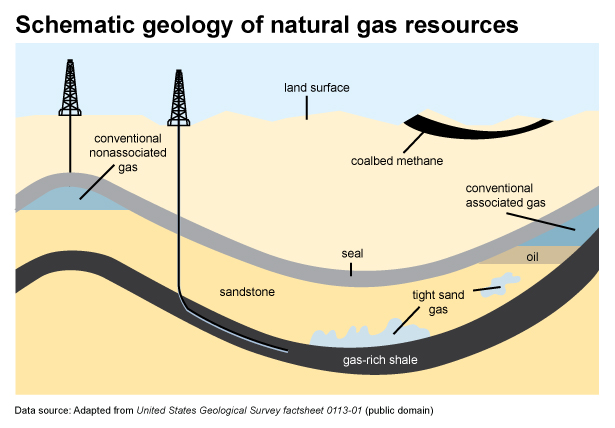
Now, this natural gas doesn't just conveniently pool up in readily accessible underground lakes. Instead, it's often trapped in porous rocks deep beneath the Earth's surface. It's like nature’s version of a super-absorbent sponge soaked in energy!
That's where the geologists and engineers come in. Armed with seismic surveys and drilling rigs, they're like treasure hunters, searching for these hidden pockets of energy. Sometimes they find it, sometimes they don't. Think of it as a high-stakes game of hide-and-seek with the Earth.
And when they do find it? Well, that's when the real party starts. Giant rigs drill down, sometimes miles into the Earth, to tap into these reservoirs. It’s a slow and steady process, a testament to human ingenuity and persistence.
From the Ground to Your Grill: The Pipeline Pilgrimage
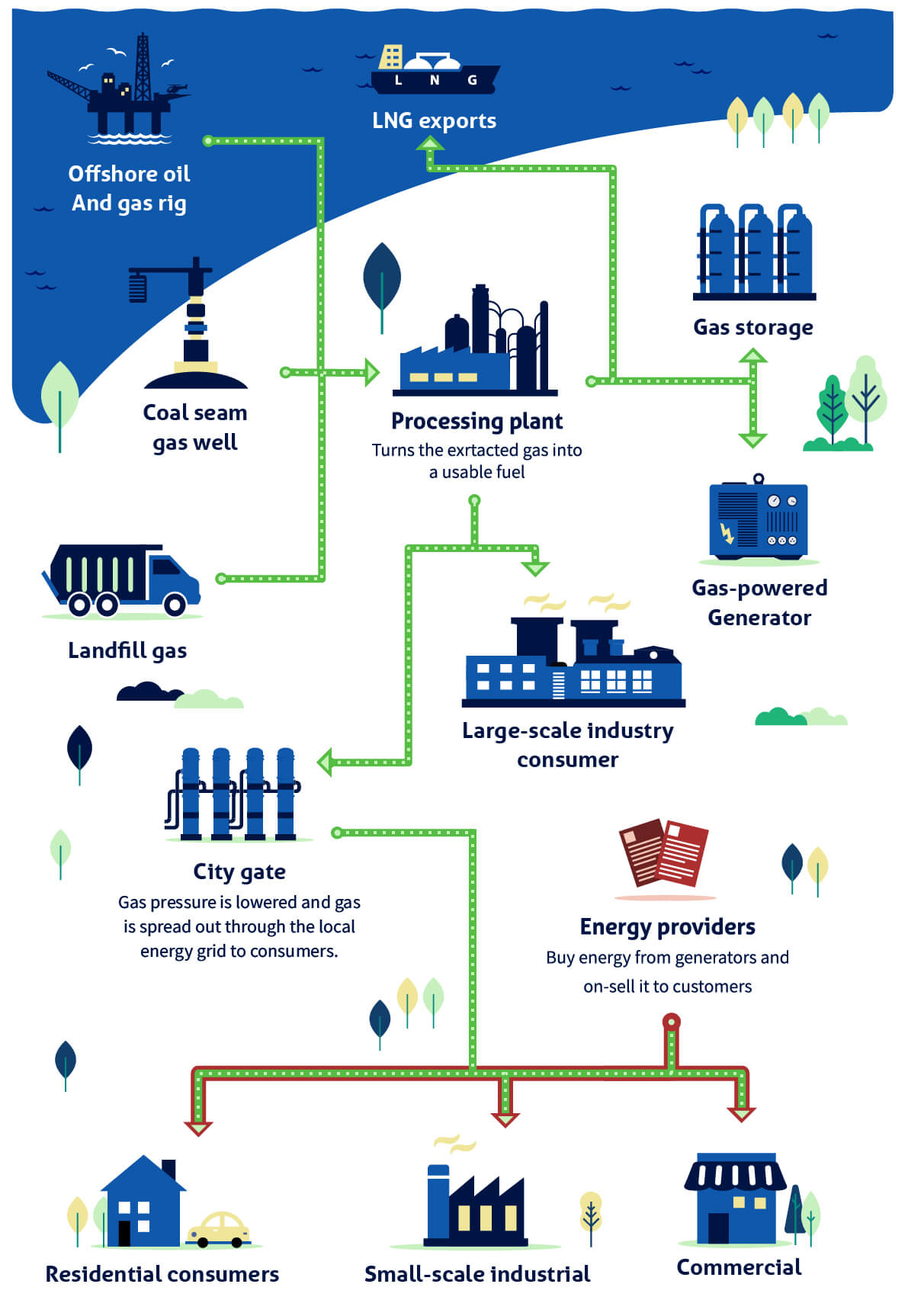
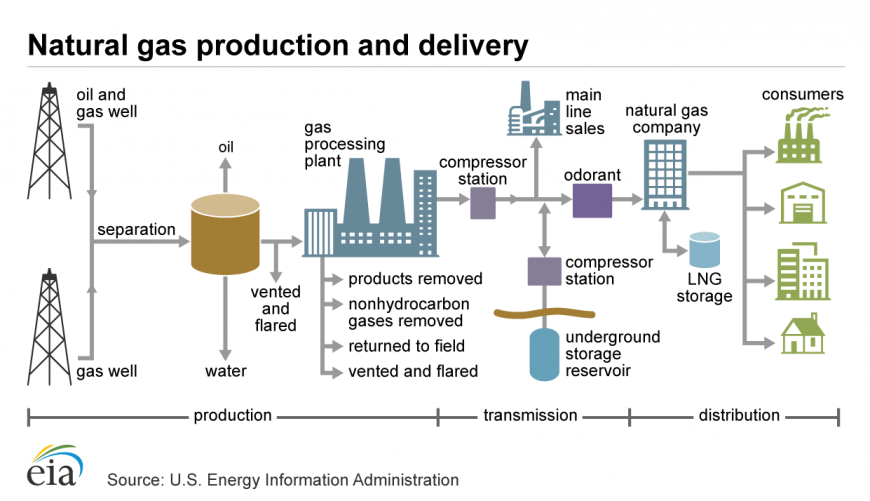
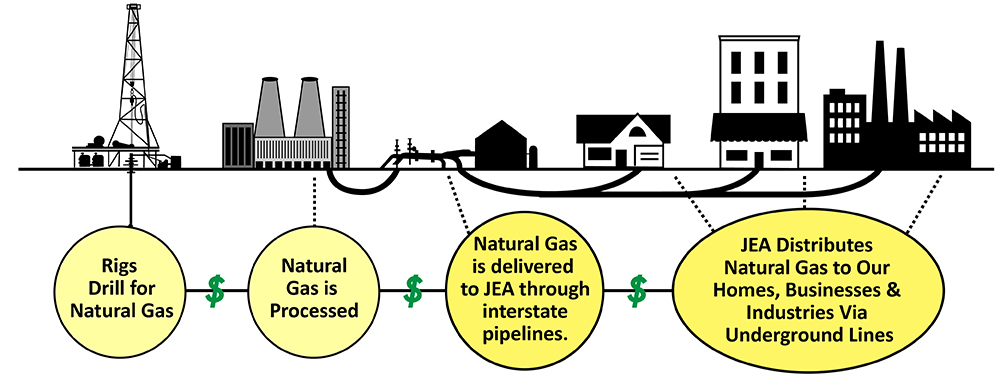
Once the natural gas is extracted, it embarks on an incredible journey through a vast network of pipelines. These pipelines crisscross continents, carrying the gas from the well to processing plants, and finally, to your home.
Think of it as a superhighway for energy! These pipelines are constantly monitored for safety and efficiency, ensuring a steady supply of fuel. It’s a remarkable feat of engineering, a silent and invisible network powering our modern world.
Before it reaches your home, the natural gas undergoes processing to remove impurities and ensure its safety. This involves separating out other gases like propane and butane, which are also useful fuels in their own right.
The Magic of Combustion: A Tiny Controlled Explosion
So, what happens when the natural gas finally arrives at your furnace, stove, or water heater? This is where the magic of combustion comes into play. Simply put, it's a controlled explosion!
Natural gas is primarily methane, a simple molecule composed of carbon and hydrogen. When it's mixed with oxygen and ignited, it creates a chemical reaction that releases heat and light.
That heat is then used to warm your home, cook your meals, or heat your water. It's a clean and efficient way to generate energy, and it's been a game-changer for modern living.
The Perks of Natural Gas: Efficiency and Abundance (Mostly)
One of the biggest advantages of natural gas is its efficiency. It burns cleaner than other fossil fuels, producing less pollution. It's also relatively abundant, making it a more affordable energy source in many regions.
Plus, it's incredibly versatile. From heating and cooking to electricity generation and transportation, natural gas can power a wide range of applications. It's a true workhorse of the energy world.
However, it's important to acknowledge that natural gas is still a fossil fuel, and its extraction and use can have environmental impacts. That's why there's a growing focus on developing cleaner and more sustainable alternatives.
The Future of Natural Gas: A Bridge to a Greener Tomorrow?
As we transition to a more sustainable energy future, natural gas is often seen as a "bridge fuel." This means it can help us reduce our reliance on dirtier fossil fuels like coal while we develop renewable energy sources like solar and wind.
There's also a growing interest in using natural gas to produce hydrogen, a clean-burning fuel that can be used in fuel cells and other applications. This could potentially unlock even more sustainable uses for natural gas in the future.
Ultimately, the role of natural gas in our energy future will depend on a variety of factors, including technological advancements, government policies, and consumer choices. But one thing is certain: it will continue to play a significant role in powering our lives for years to come.
Fun Fact: The "Smell" of Natural Gas
Did you know that natural gas is actually odorless? That distinctive smell, often described as rotten eggs, is added deliberately as a safety measure. This allows us to detect leaks and prevent potentially dangerous situations. So next time you smell that odor, be thankful for that smelly additive, because it keeps you safe!
A Humble Hero: The Unsung Story of Natural Gas
So, the next time you flip a switch, crank up the thermostat, or fire up your grill, take a moment to appreciate the incredible journey of natural gas. From the ancient swamps to the modern pipeline network, it's a story of hidden treasure, controlled explosions, and a humble hero powering our modern world.
It's a reminder that even the most mundane aspects of our lives are often built upon complex and fascinating systems. And sometimes, the best stories are found not in the headlines, but in the quiet hum of the furnace and the flicker of the flame.
So, go ahead, embrace the warmth and comfort that natural gas provides. Just remember to appreciate the journey it took to get there, and to consider its role in a sustainable energy future. After all, even humble heroes deserve a little recognition.
Consider that natural gas are transported not only via pipelines, it can also be transferred by ships using advance cooling technology. The liquefied natural gas are then transferred to different continents.
As we are relying on natural gas as our energy source, it is important for us to know that this resource are limited. We should all consider to conserve energy by reducing our energy consumption. Turning off lights or any appliances when not in use can contribute.